


Kathmandu, the capital city of Nepal appears strikingly intense. When walking on the streets you really have to pay attention not to be overrun by some mad motorcyclist, and not to step accidentally into one of the smoking piles of rubbish lying on the pavement. But how is it possible if other elements grab you attention instead? It seems that a lot of the locals' everyday life, including their religious rituals, shopping and even washing themselves and doing laundry - happen on the street, so they are immediately visible, and create an image of a city bursting with life. Add to that the bright coloured saris of the women, the smell of incese in the air, and occasional sounds of Indian music, and you get a city that feels very intense.
At the same time it basically lacks the modernity of much of the world. You could get lost for hours walking the narrow streets, contemplating the fine woodcarvings on the windows and doors, and discover ancient courtyards dotted with shrines and statues of Hindu deities. Just as if time had stopped a long time ago. In some sense it actually is, because there are not many capital cities in the world where electricity is only present for half a day at most, and every day at different time.

Kathmandu panoramas - click to enlarge each one.

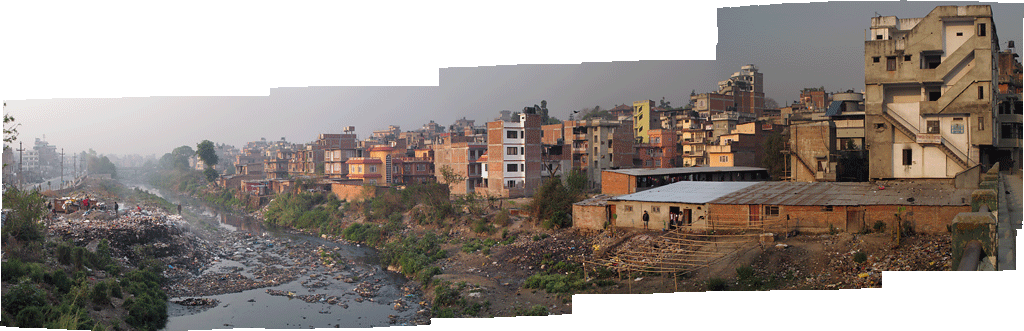
Rubbish in the river and all the city's sewage flows into the same river.


Kids playing football in Kathmandu.
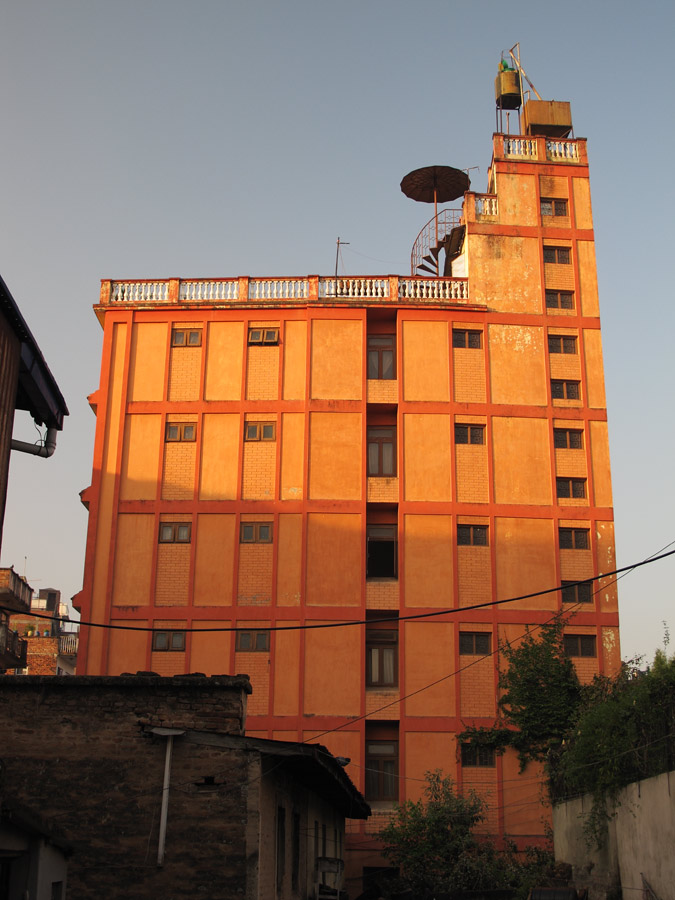
Kathmandu architecture.
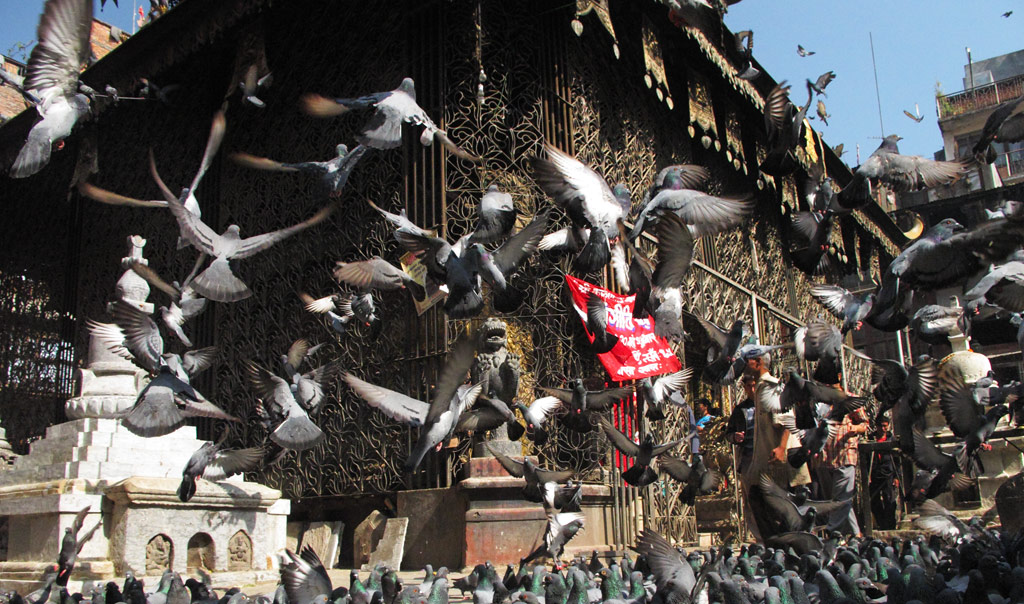
Loads of pigeons in Kathmandu.
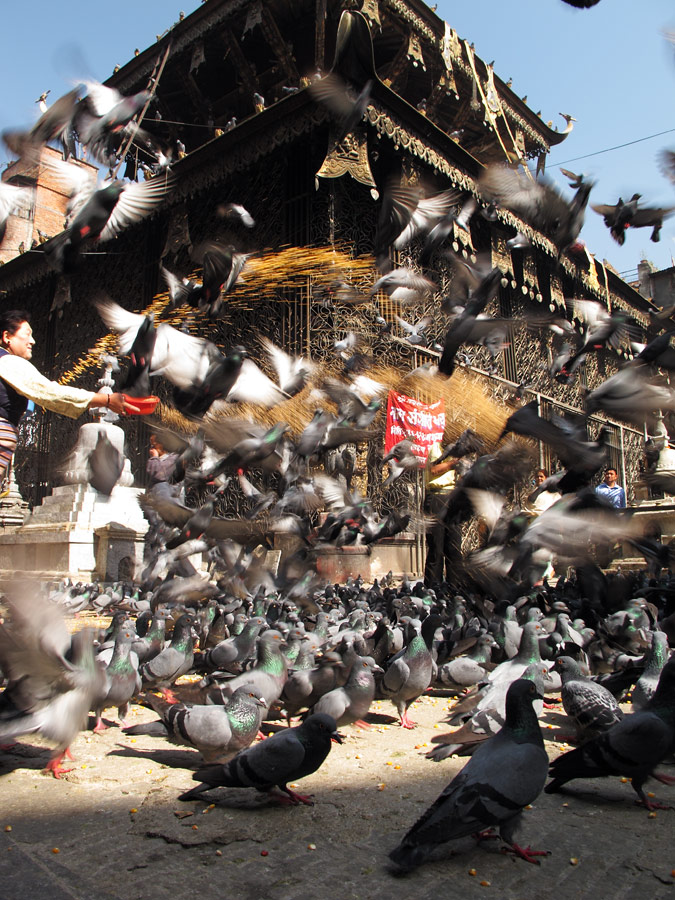
They get fed by people to bring them luck.
.::LISTEN::.

And the bastid' poo'd on me!
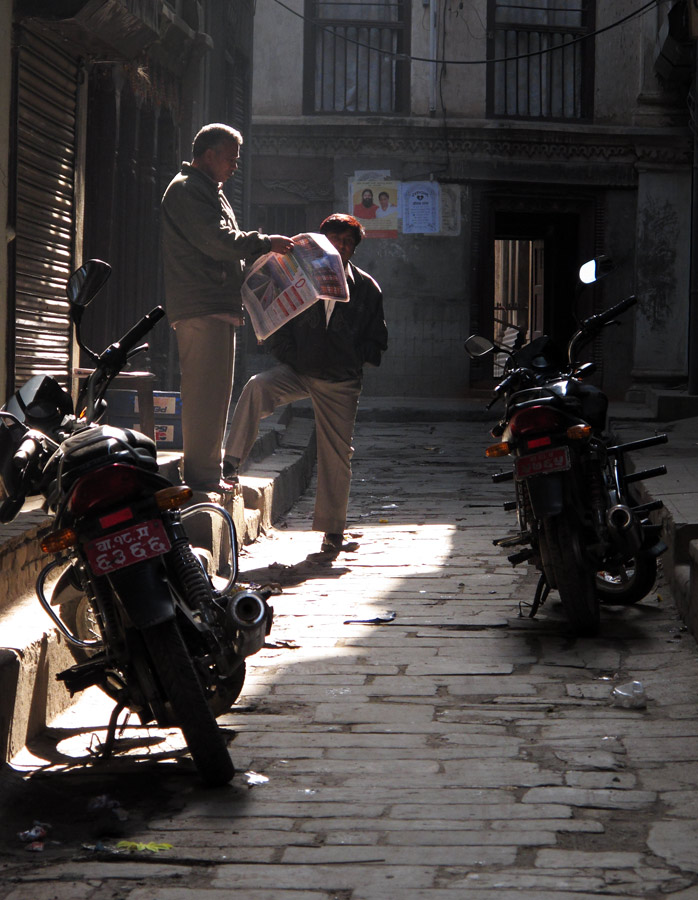
Kathmandu streets.
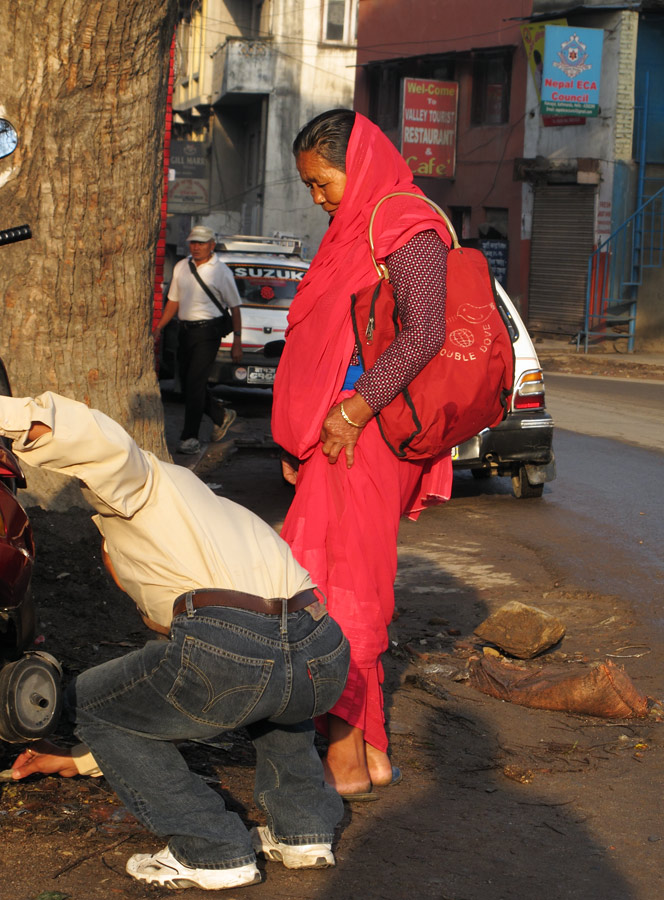
Decently coloured dresses on women.
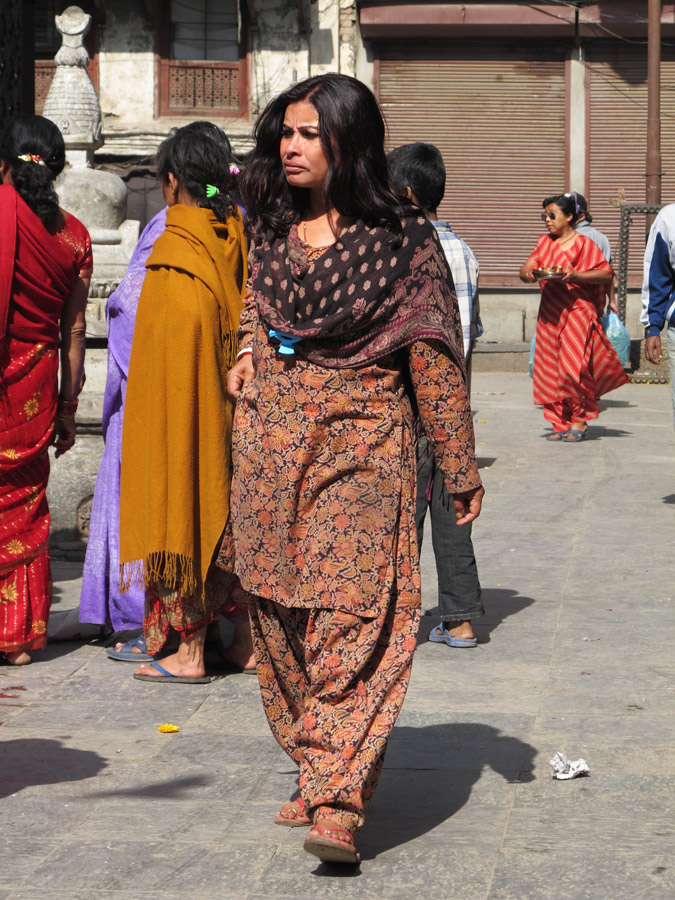
The city sounds .::LISTEN::.
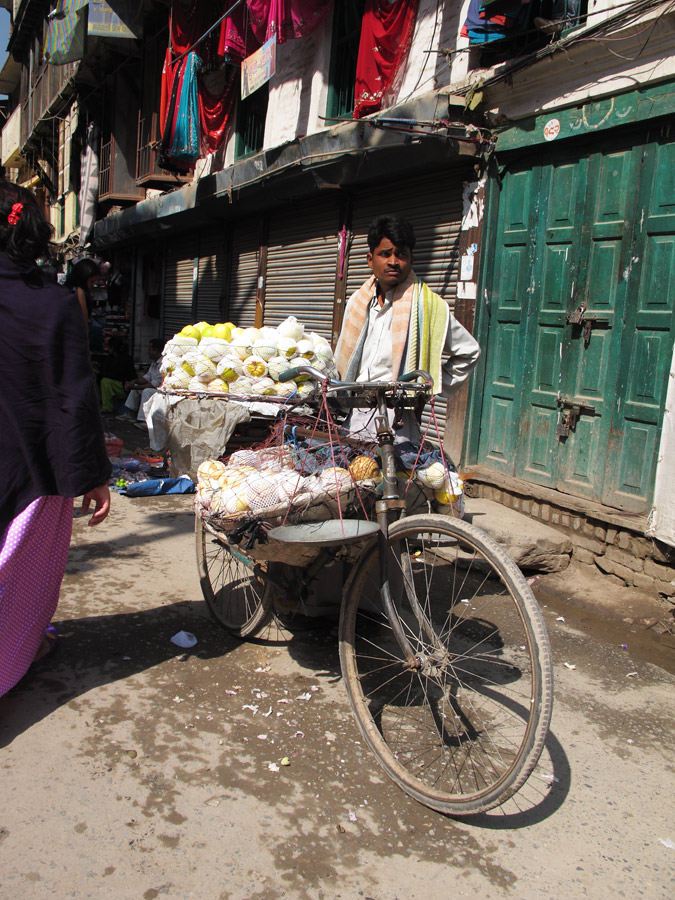
Salesman.
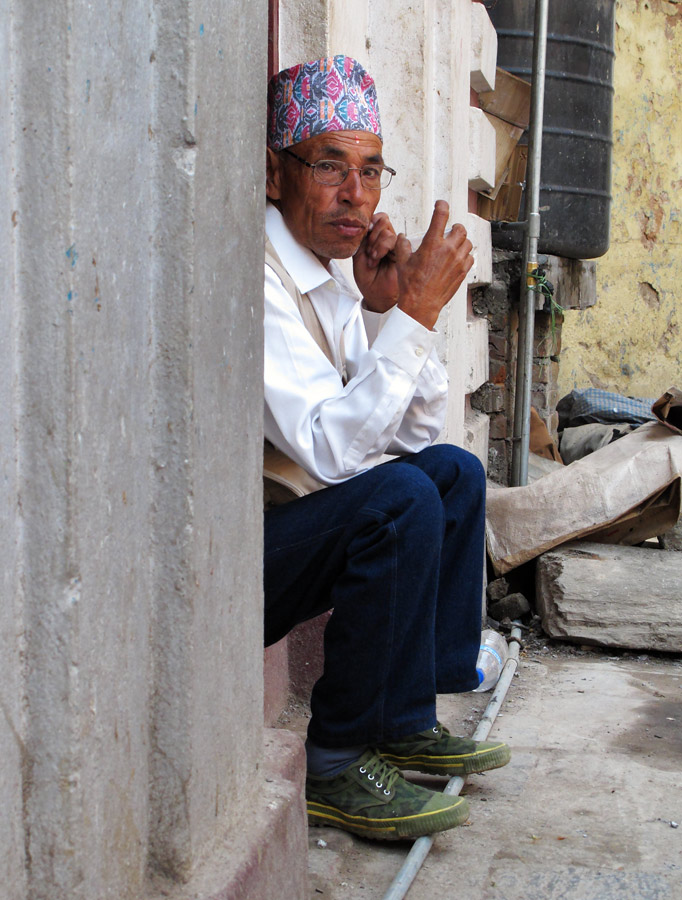
Drinking tea in a chilly morning.
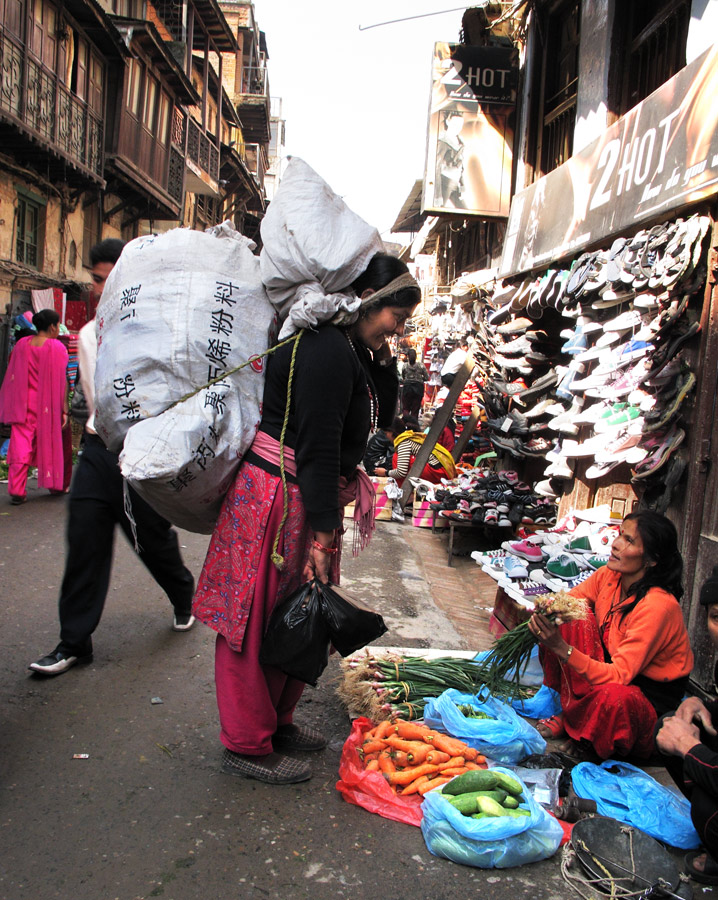
Most of transport is still bone powered - keeps your helth and stamina good.
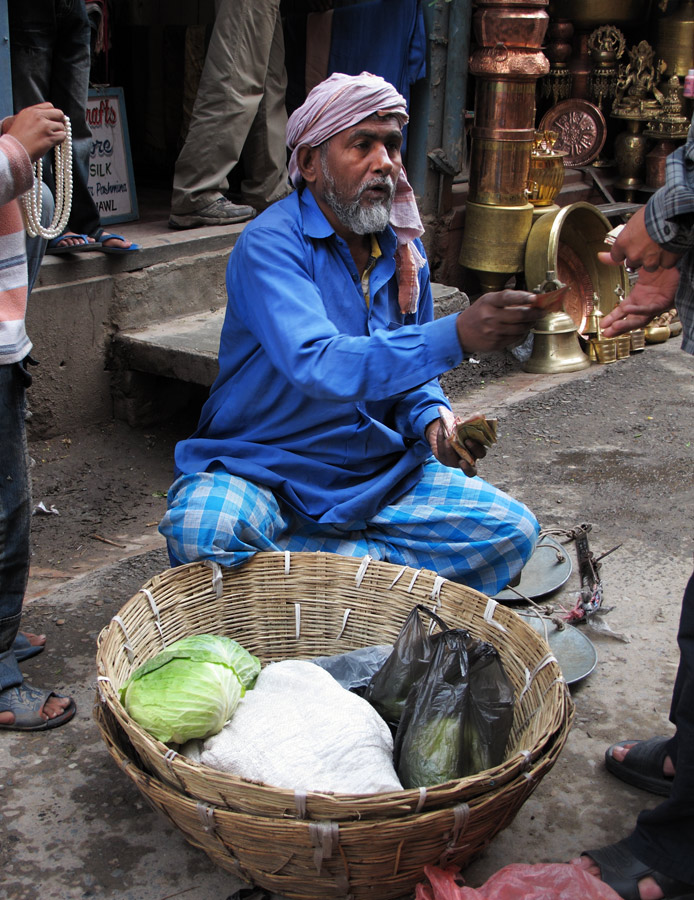
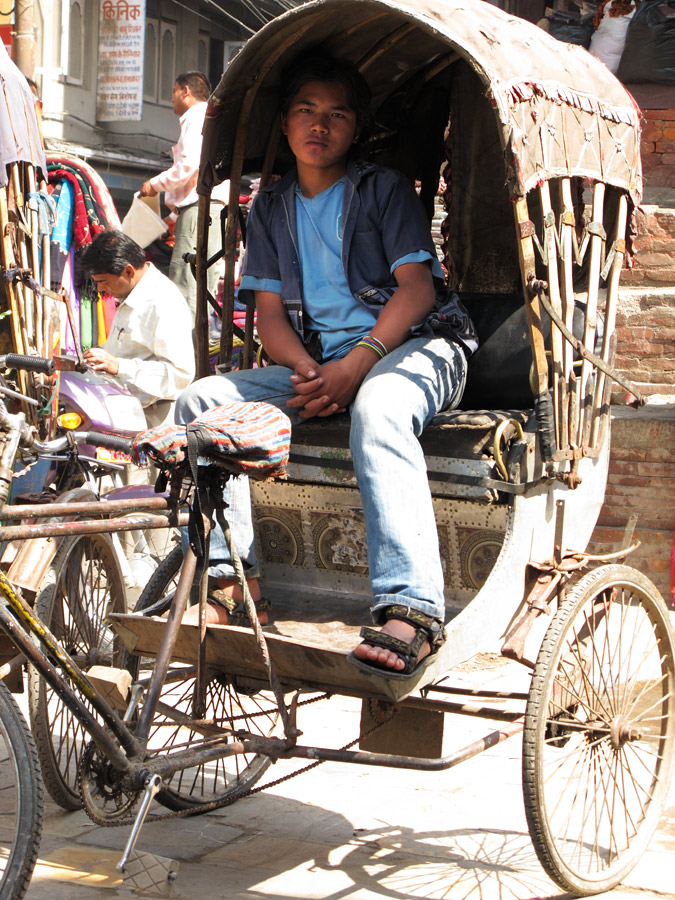
Local taximan.

A nepalese girl.
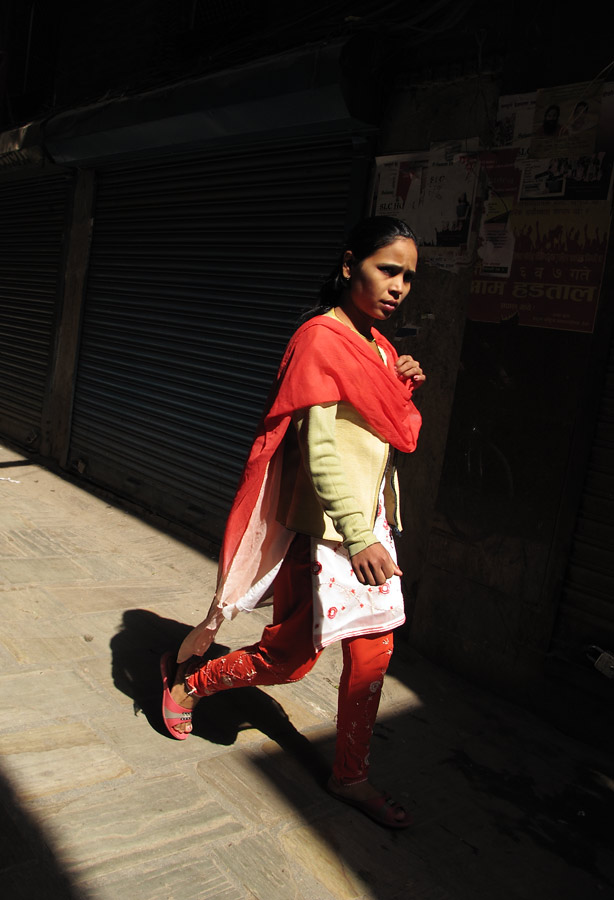
A woman.
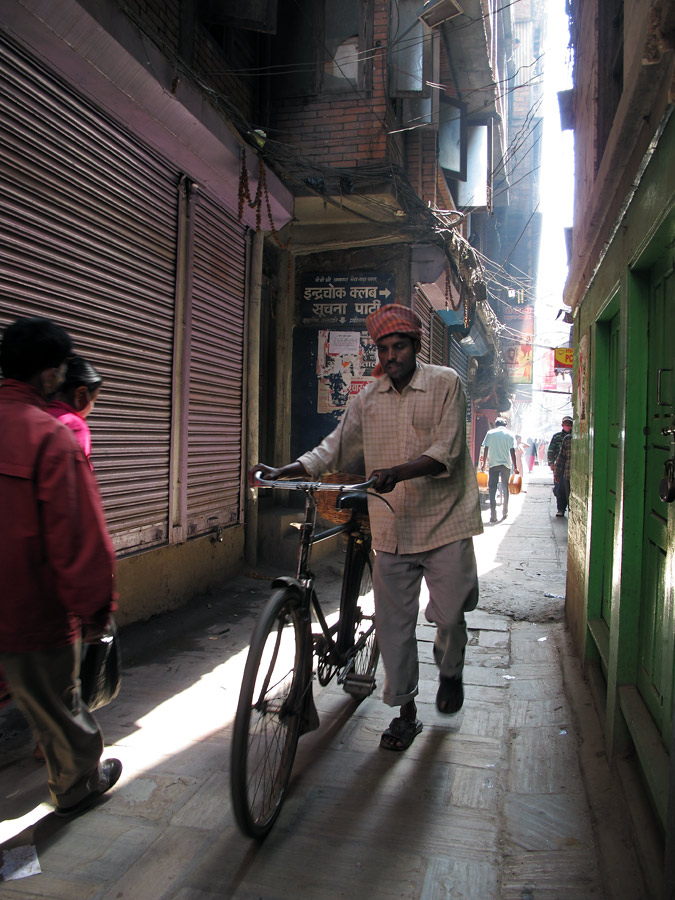
Kathmandu streets...
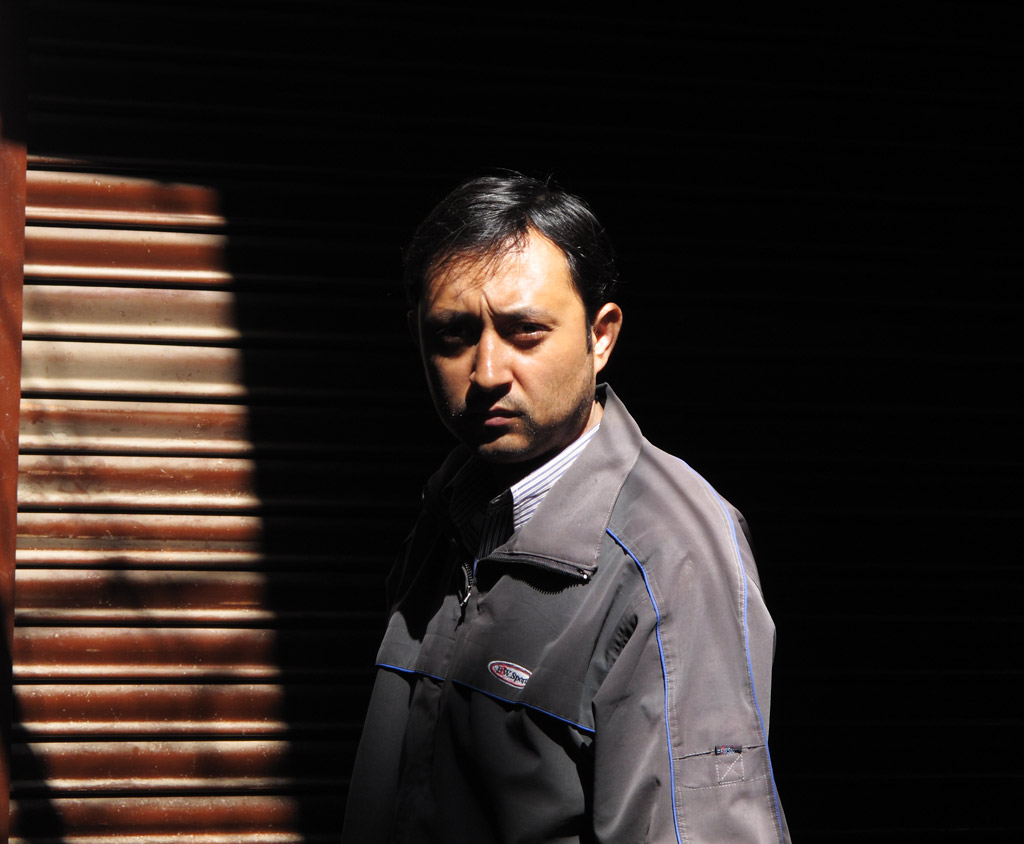

Candle maker.

Home's door.
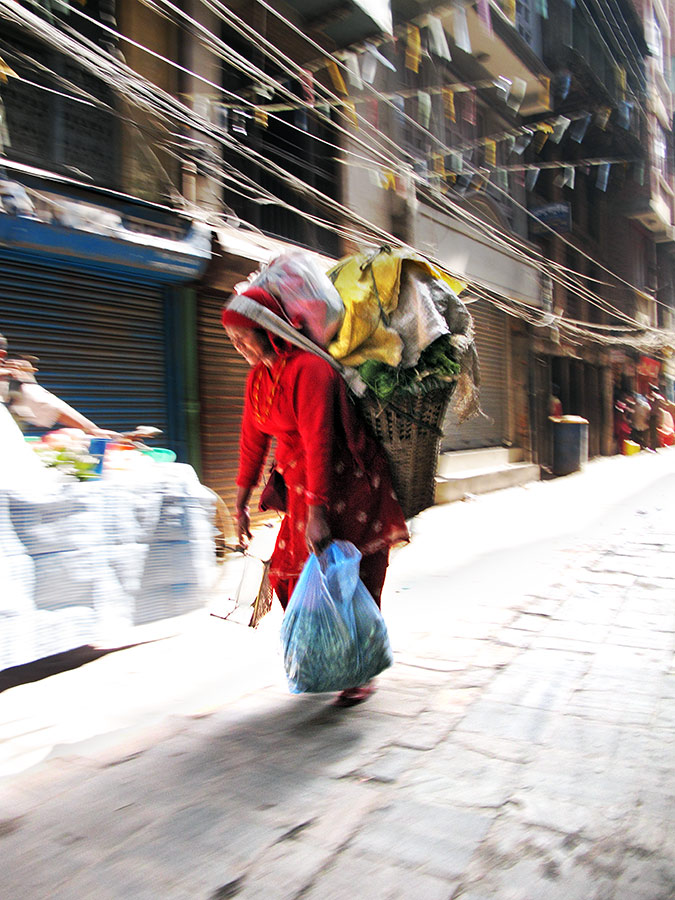
Bringing stuff to the market.

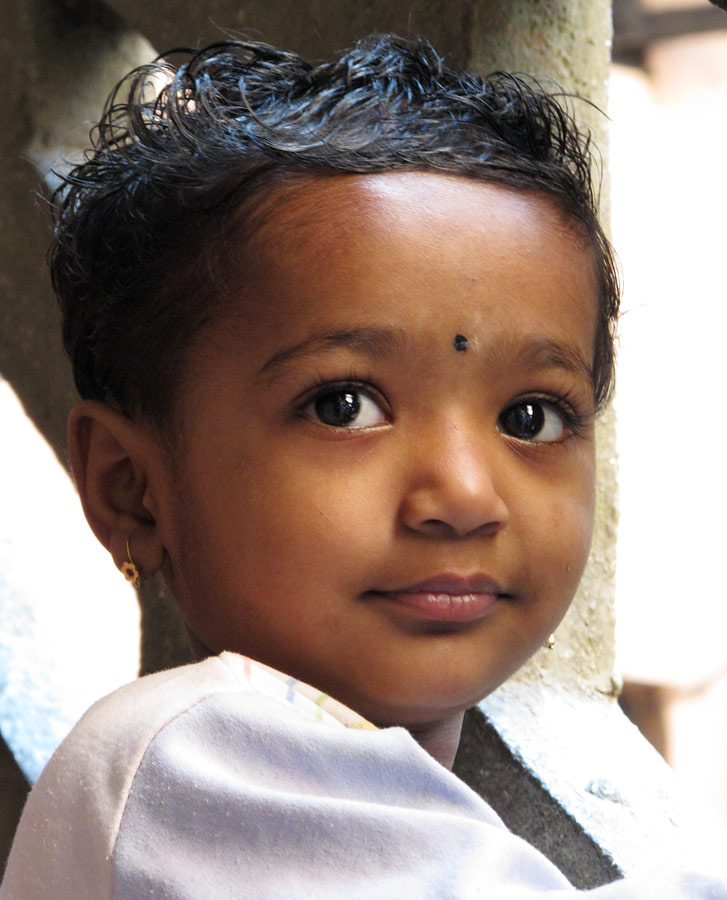
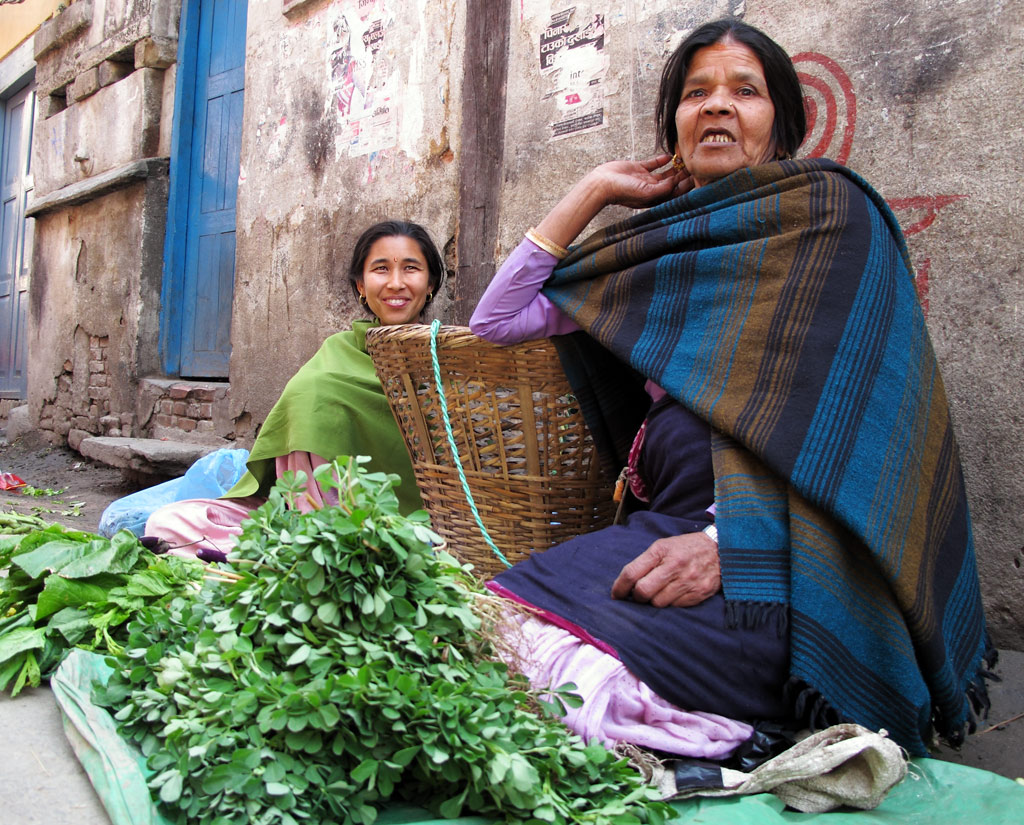
Selling green stuff with the best smile on the planet Earth (the left one)

Oriental blankets.
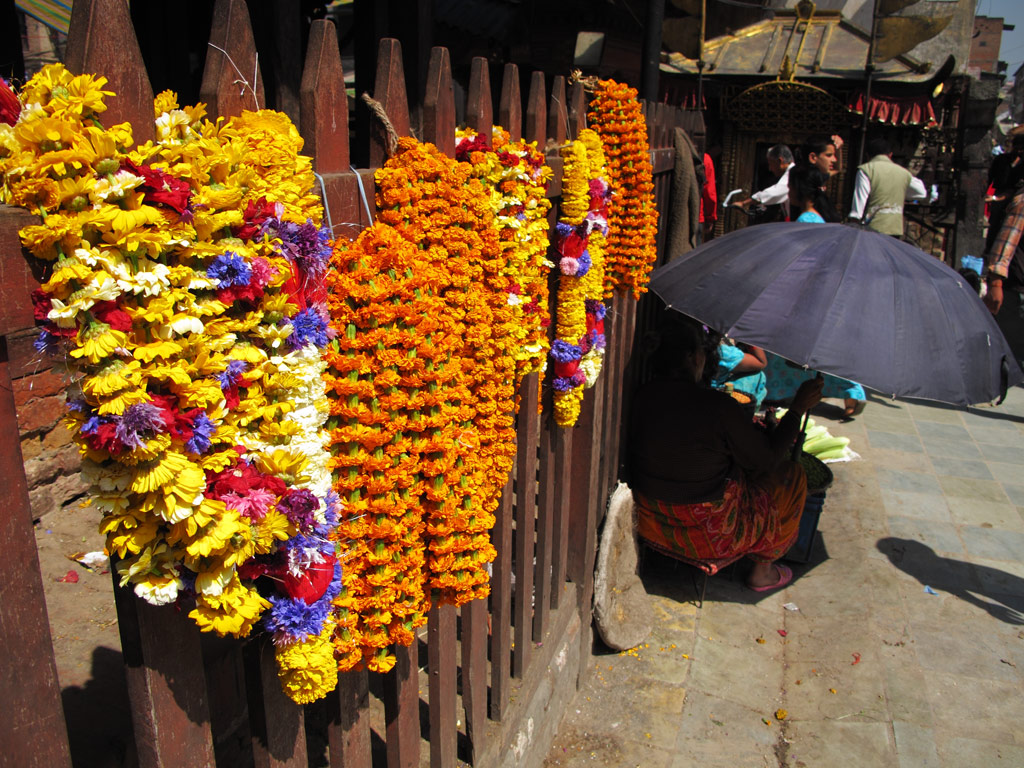
Colourful offerings for the Gods.
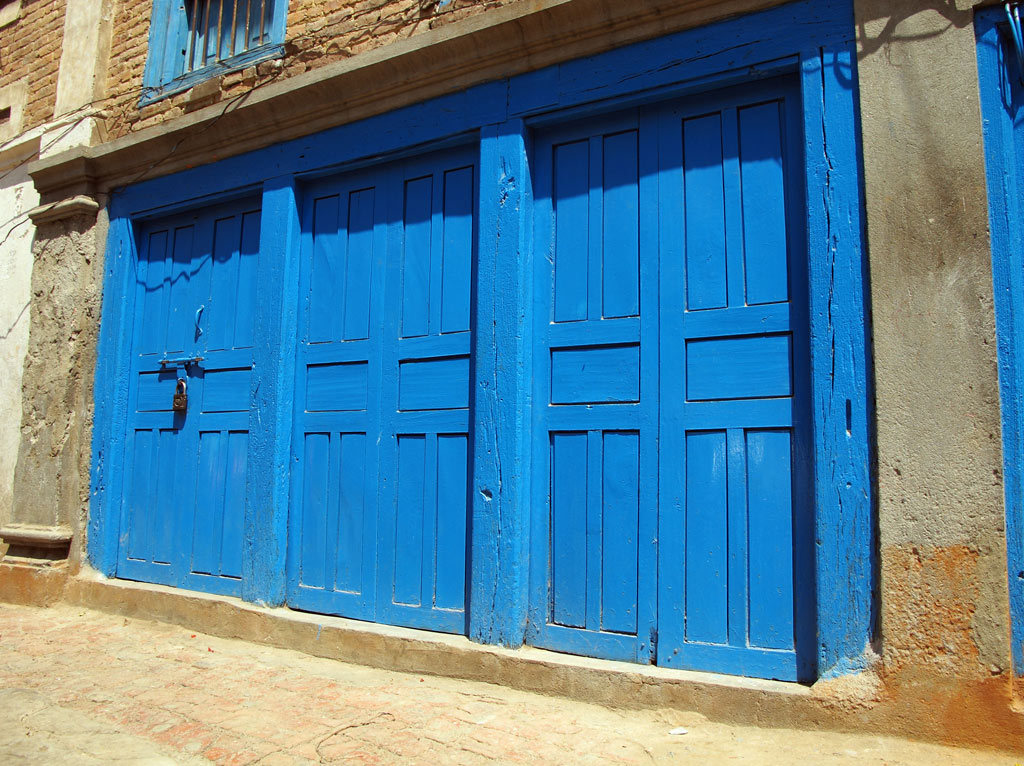

Preparing his stuff for sale.
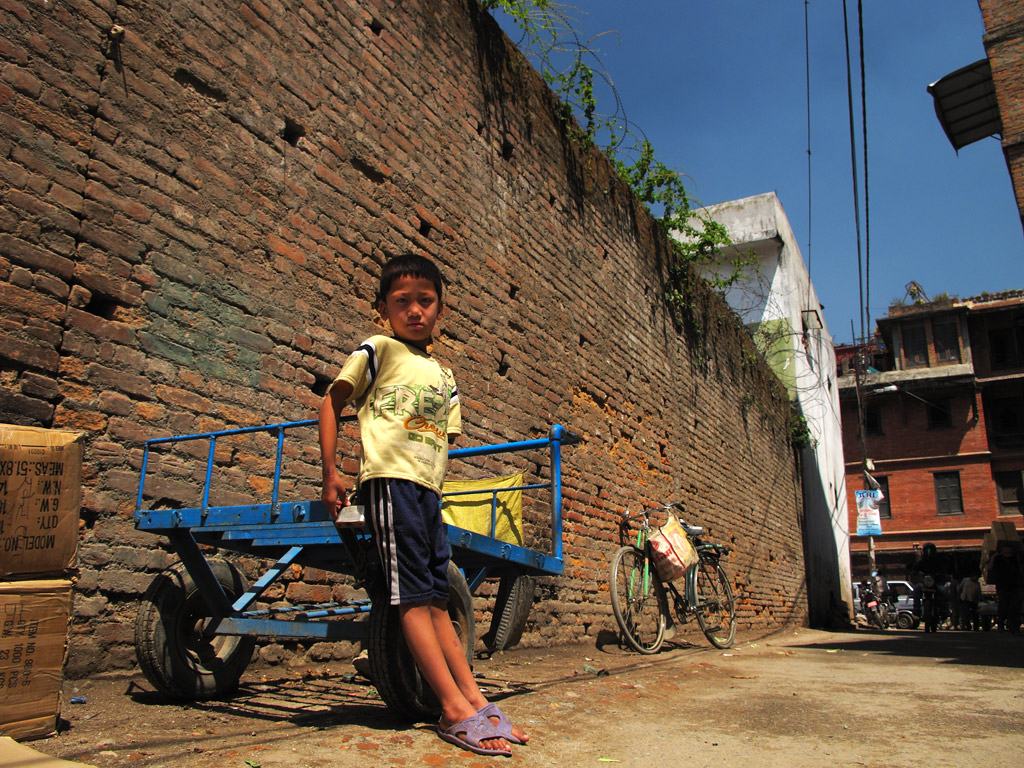
Kathmandu streets.
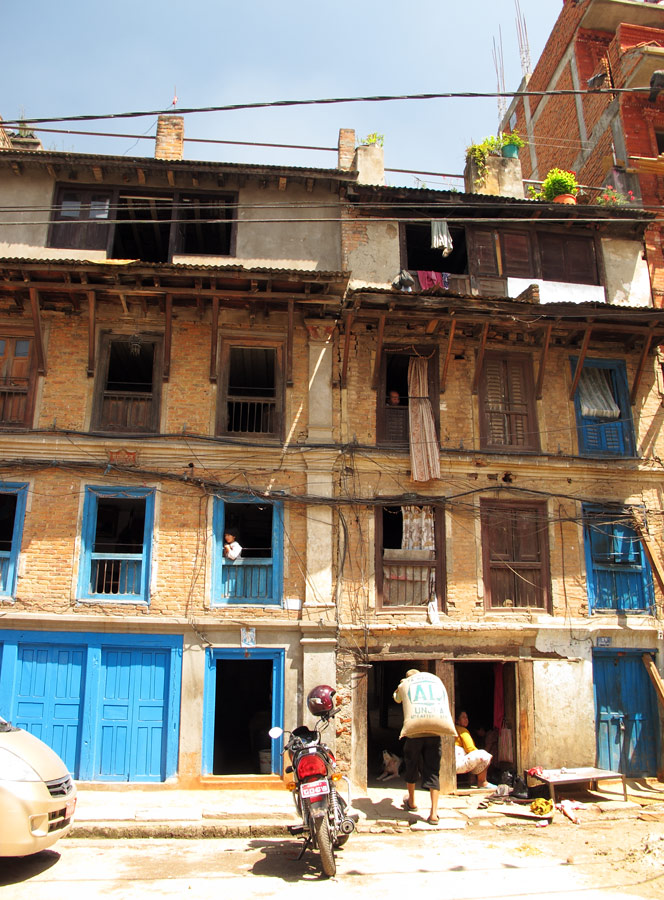
A home in Kathmandu.

Butcher.
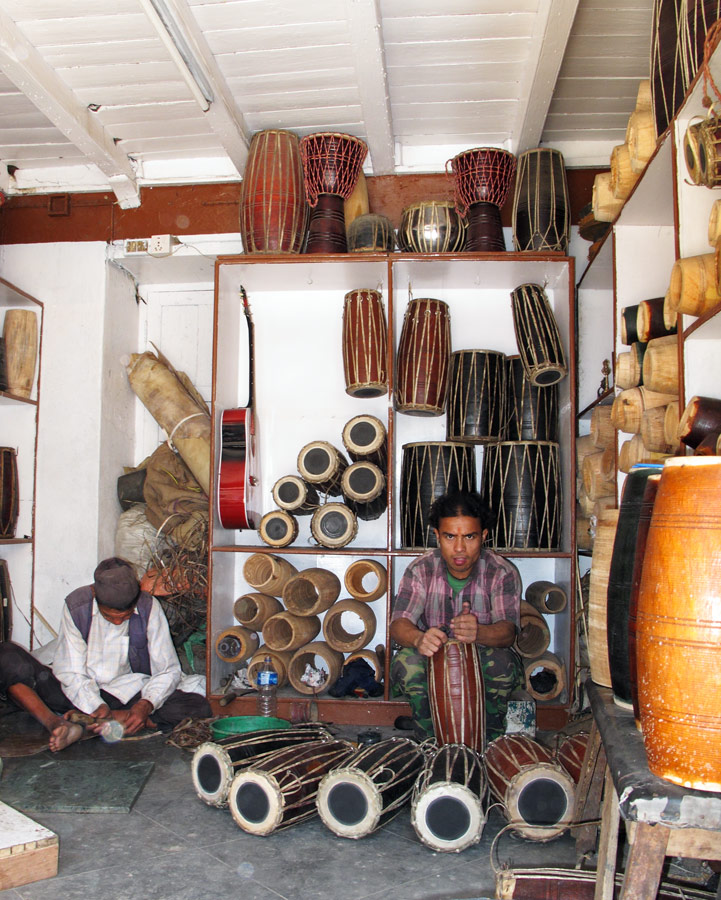
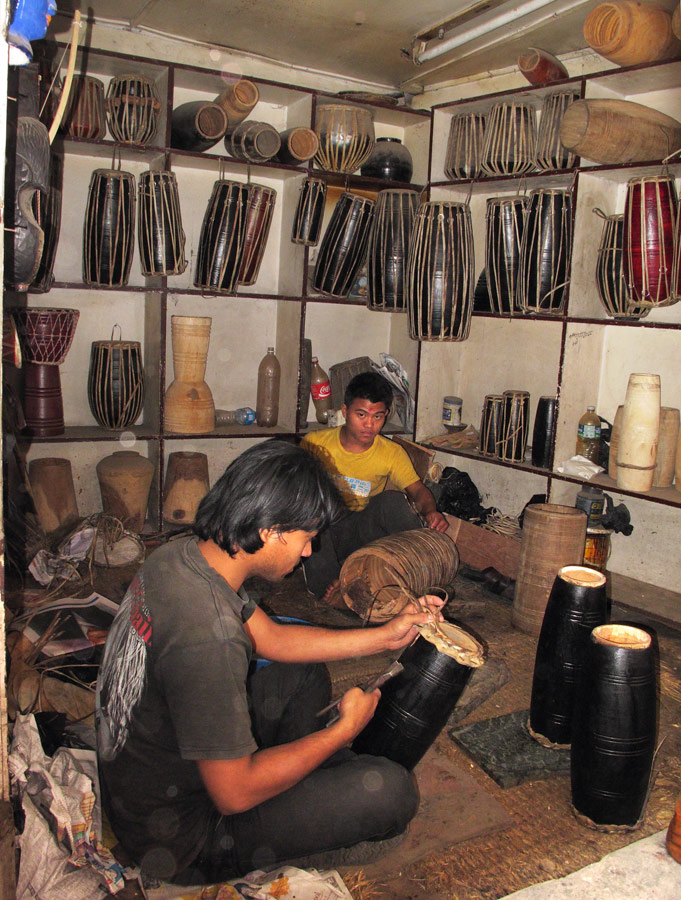
Drum factory.
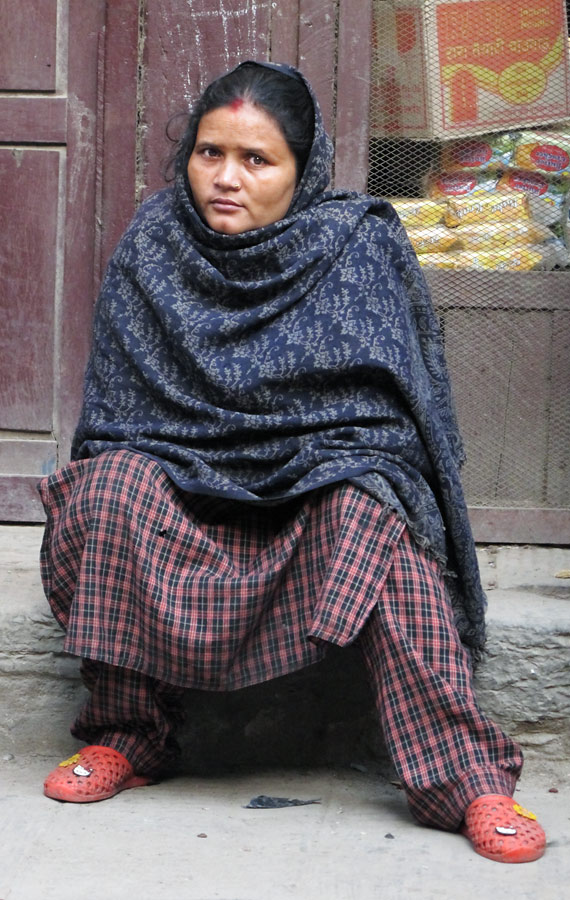
Nepalese woman in traditional dress.
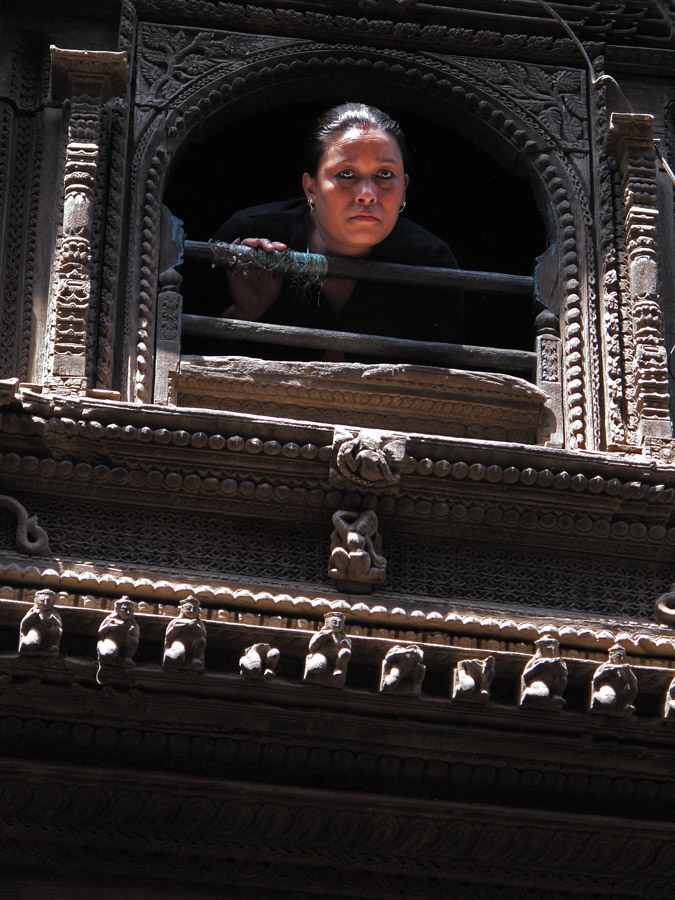
Staring our of traditional house - excellent wood carving craftmaniship.
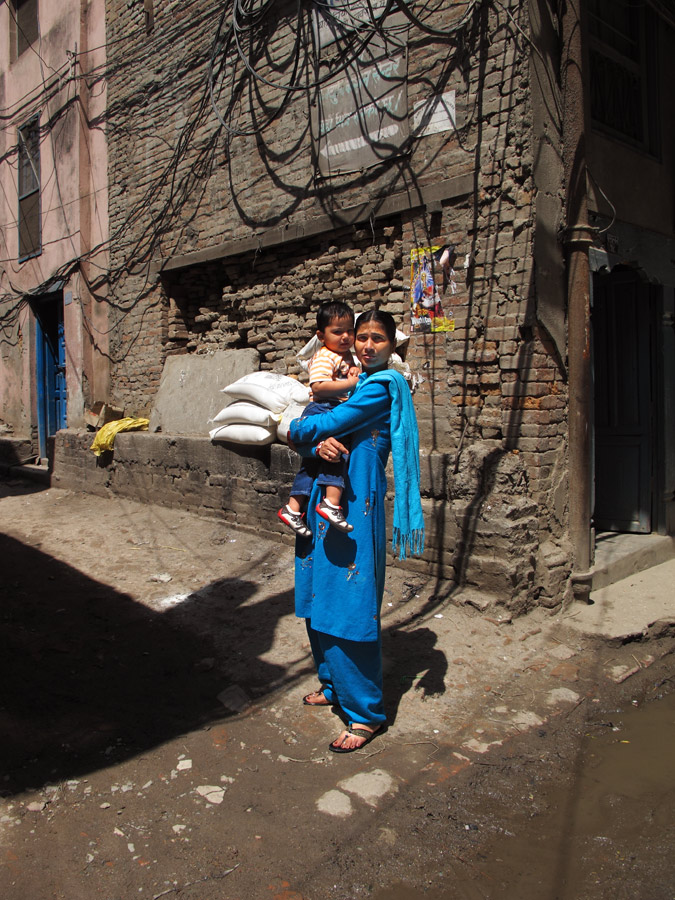
Nepalese woman with a child.

Men bringing their goods to the market.
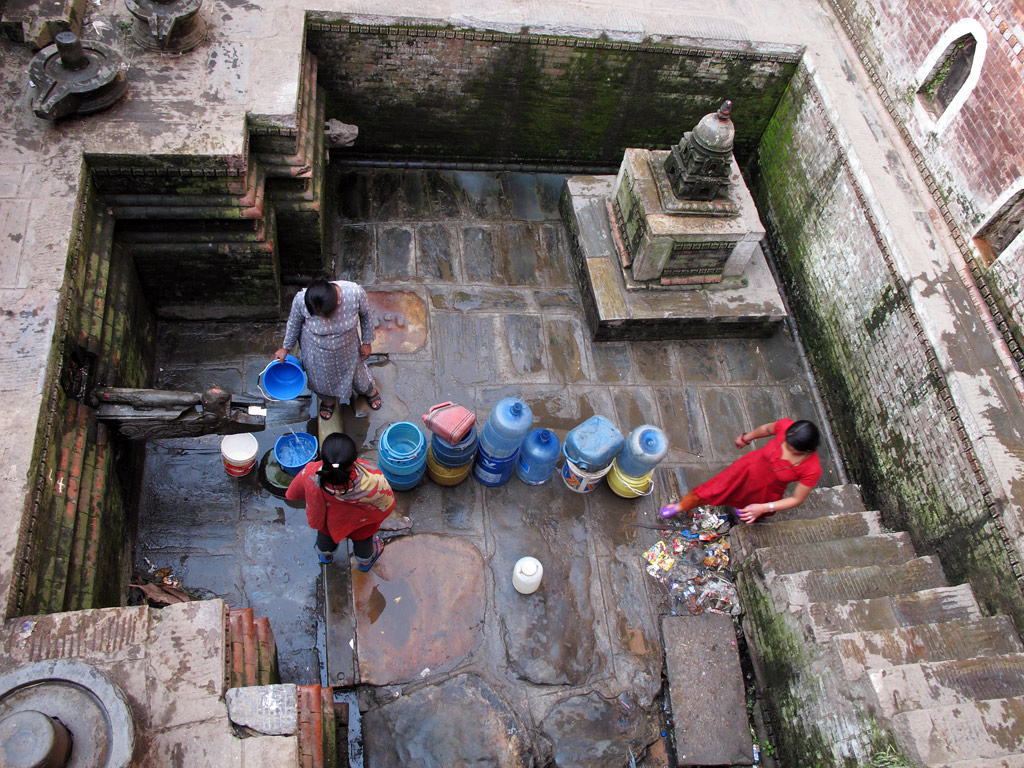
Women doing their laudry in a special water tank.
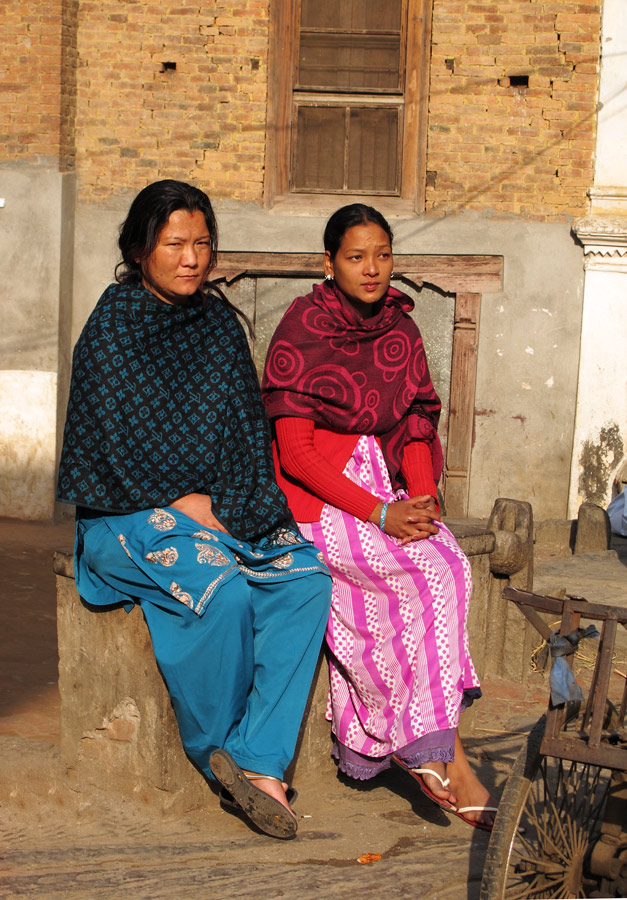
Traditional dresses.
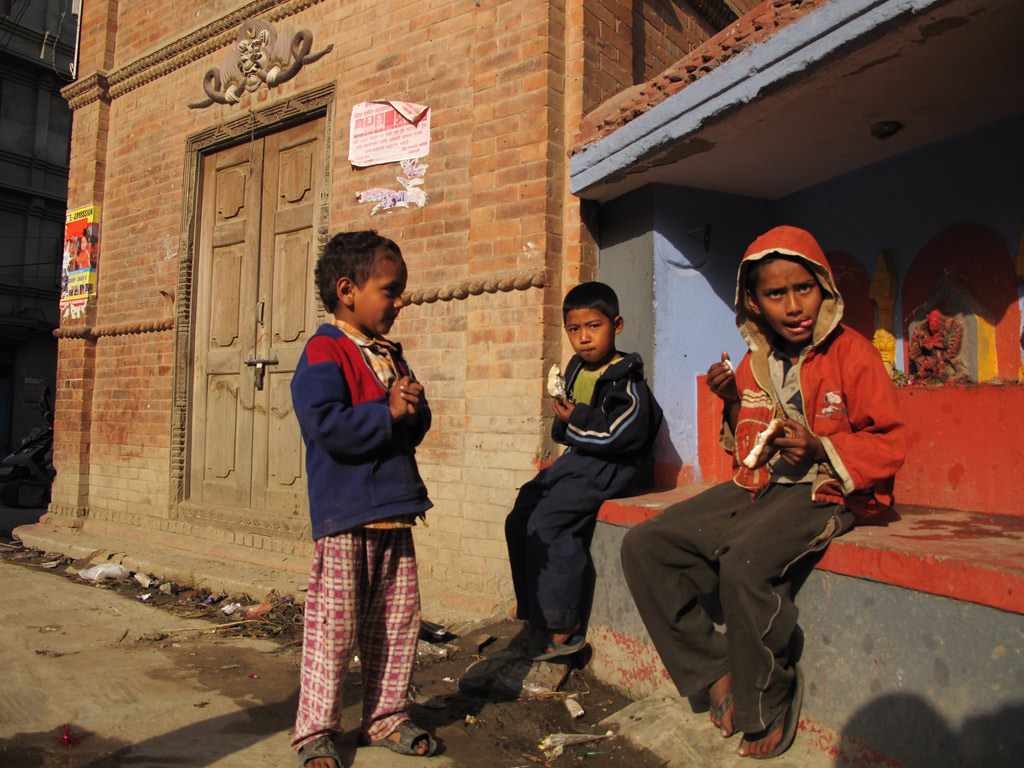

Warming under the chilly morning's first sun.
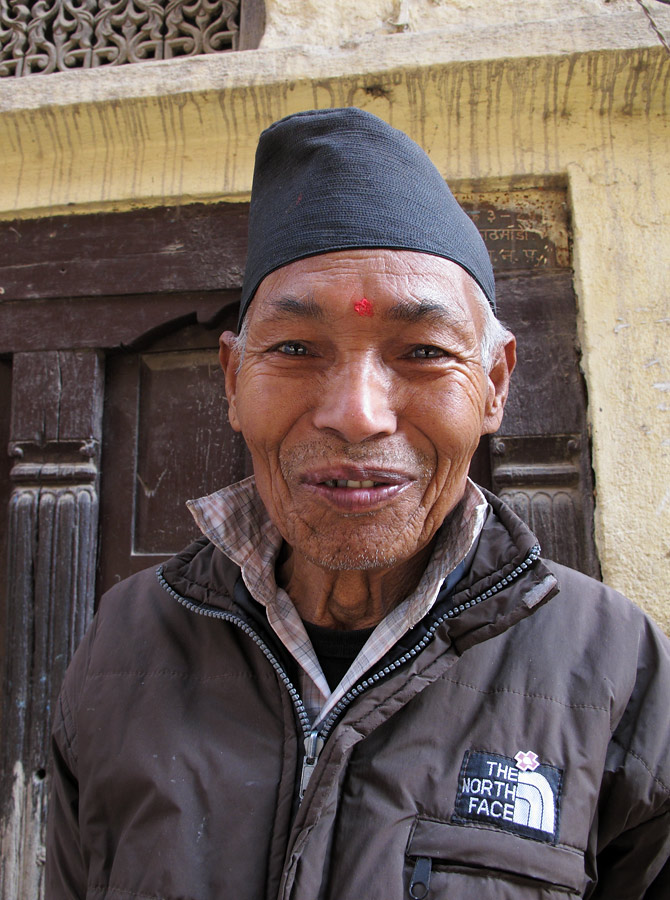
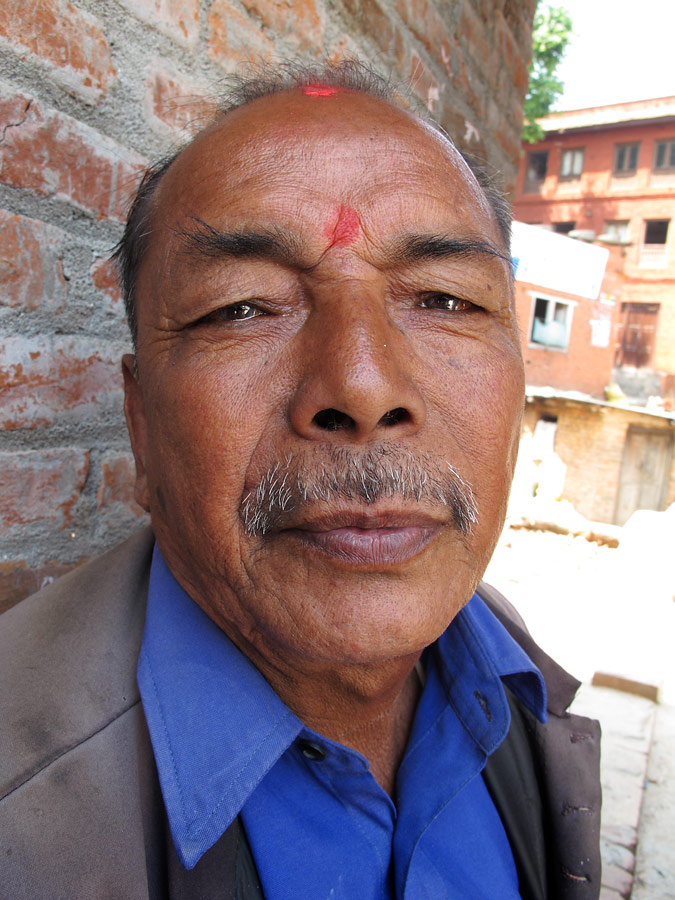
A Nepali elderly.
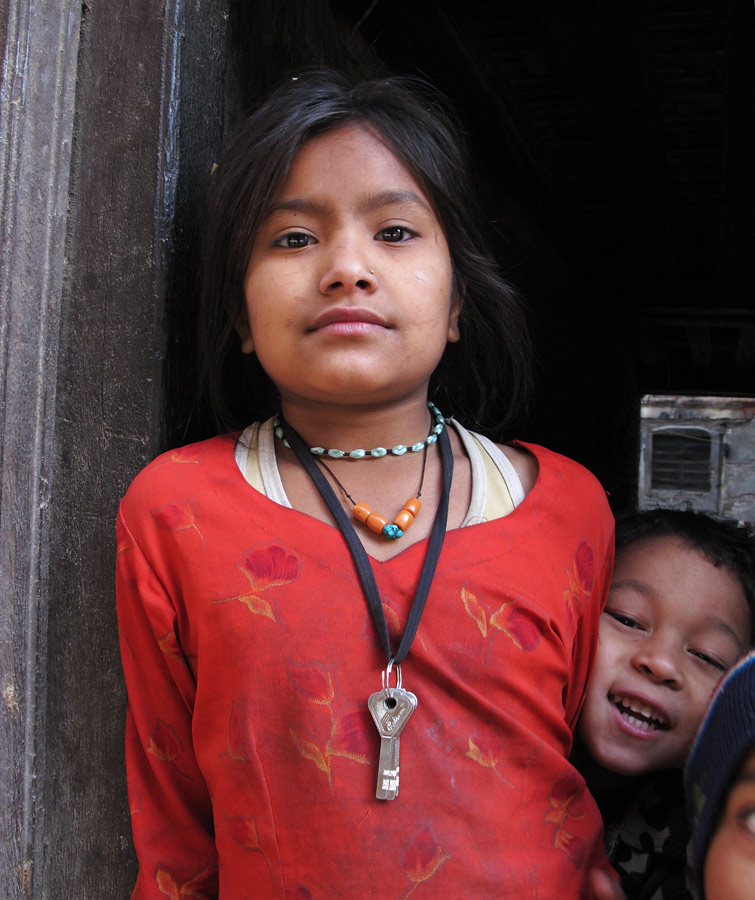
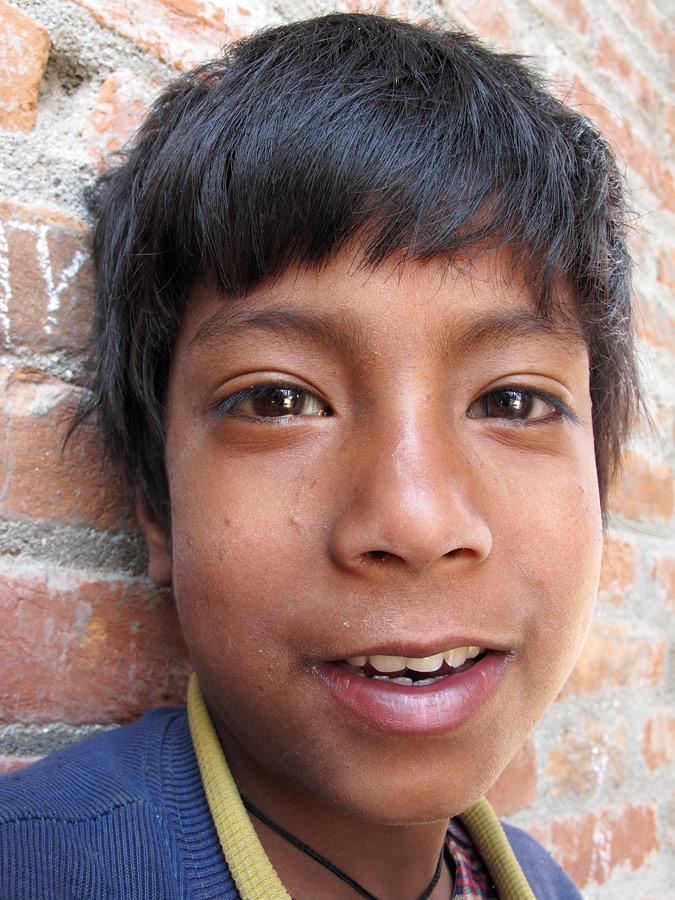
Children in Kathmandu's slum.
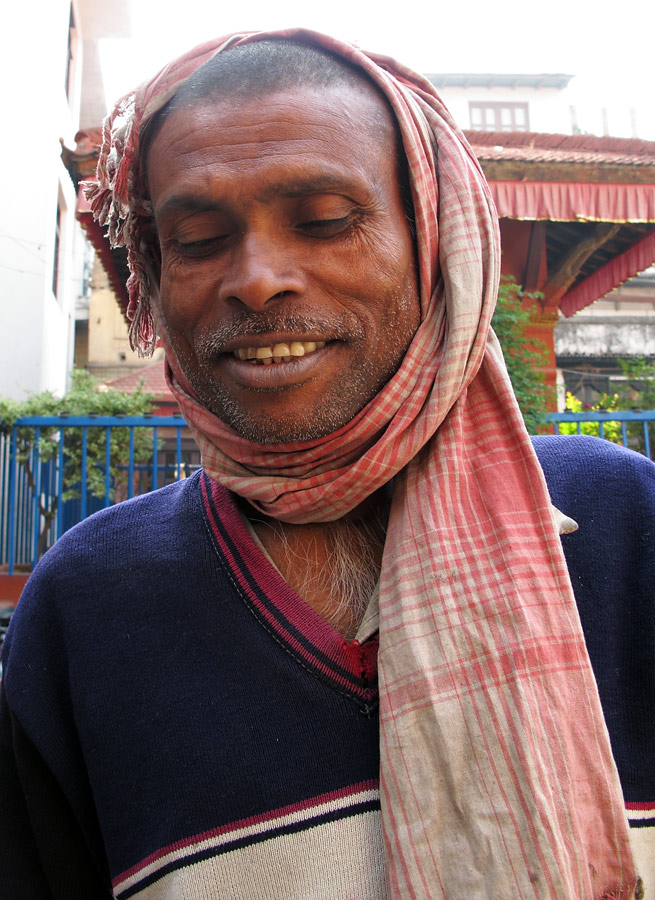
Apple seller.
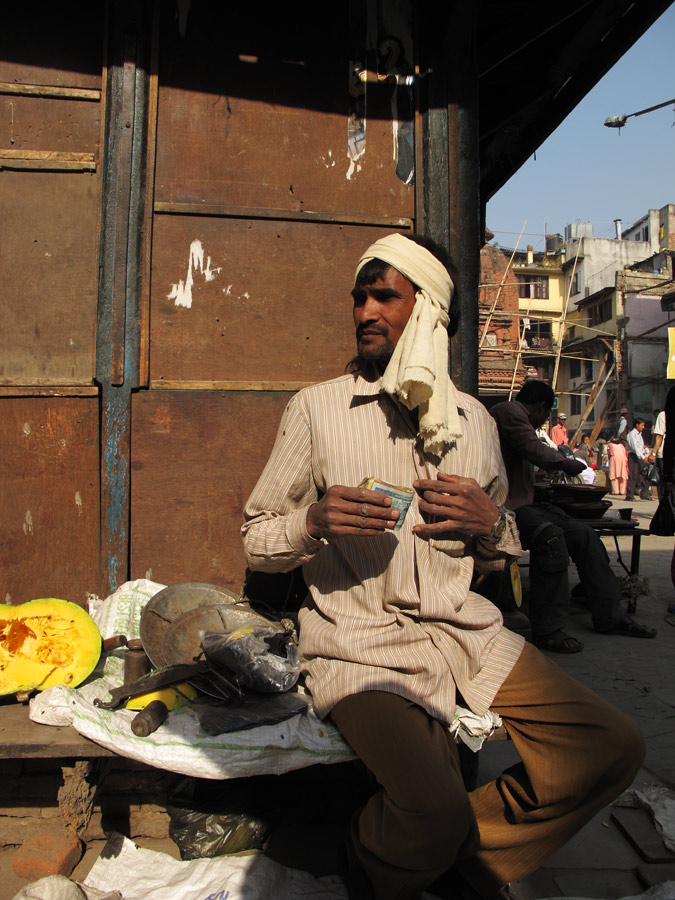
Another salesman.
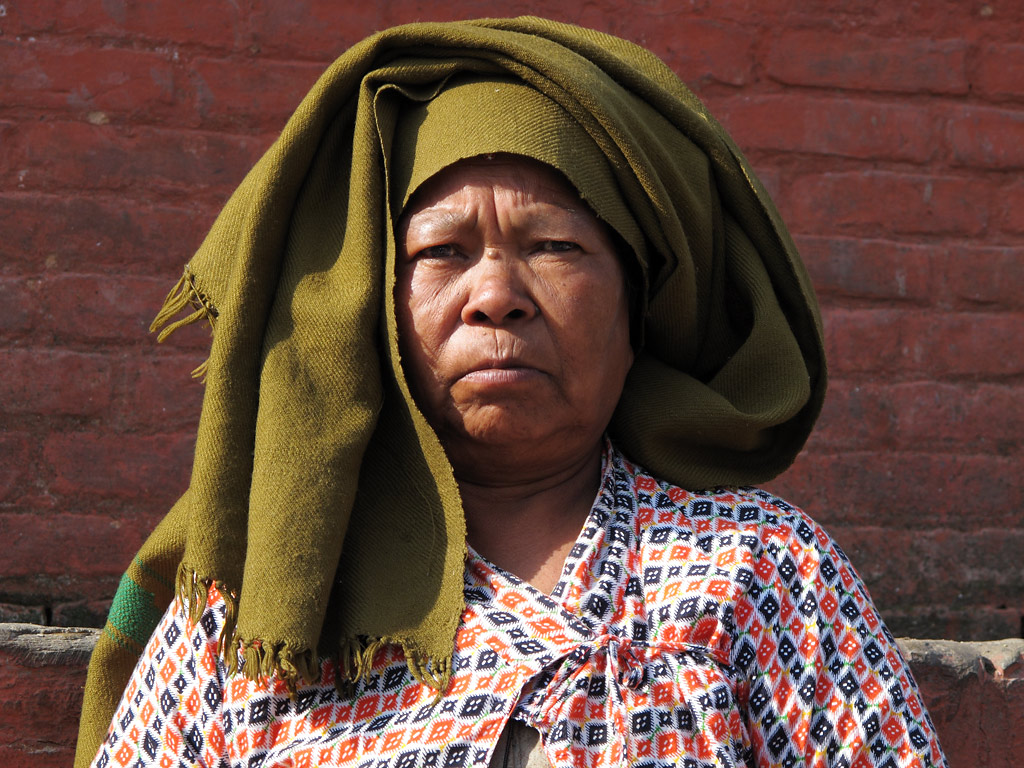
Nepalese woman.

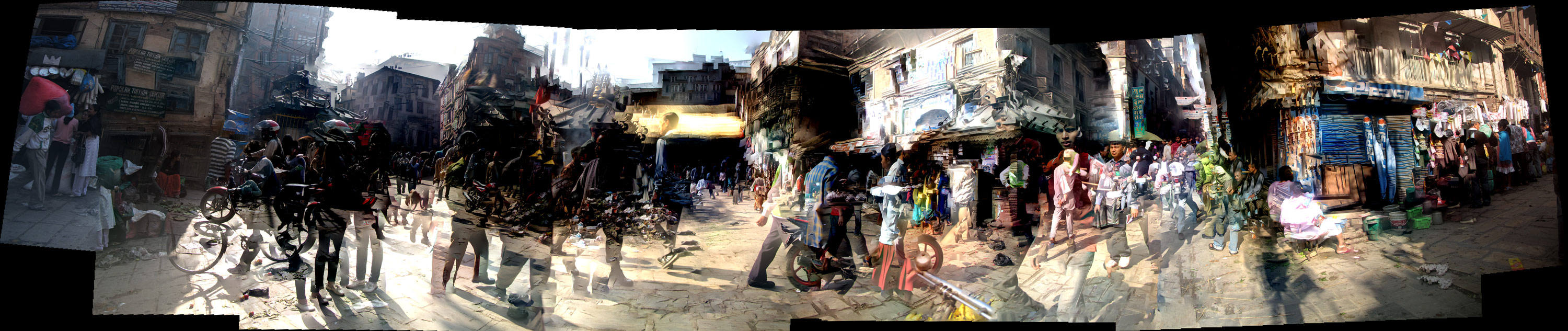
And an artistic piece I created to represent Kathmandu's multiversum as I see it - crowded, noisy, smelly but utterly attractive at the same time (click to enlarge).
Kathmandu is also a very spiritual city. Officially, most of the people in Nepal are Hindus, but in fact, it is quite difficult to make a distinction between Hinduism and Buddhism in Nepal, partly because many of local Buddhists visit Hindu temples, and vice versa. Buddhism is not so much a religion anyway, rather a philosophy or a moral code, so the subject "religion in Nepal" is really rather complicated.
Still one can sense immediately that the air is filled with religion and spirituality. Not only because there are so many temples and shrines to stumble upon, but because the life here is soaked with religion. Even the Nepalese greeting - namaste - literally means "I greet the divine in you". You do not even need a day to notice holy cows walking on the street (and killing one can get you behind bars for some two years or so), doors adorned with fine carvings depicting Hindu gods, someone getting a ritual haircut by the temple, and to be approached by a colourful "holy man" expecting a tip for him posing for a photo.
Here is a sound recording of a priest singing and wiping dust off the steps of a small temple:
.::LISTEN::.
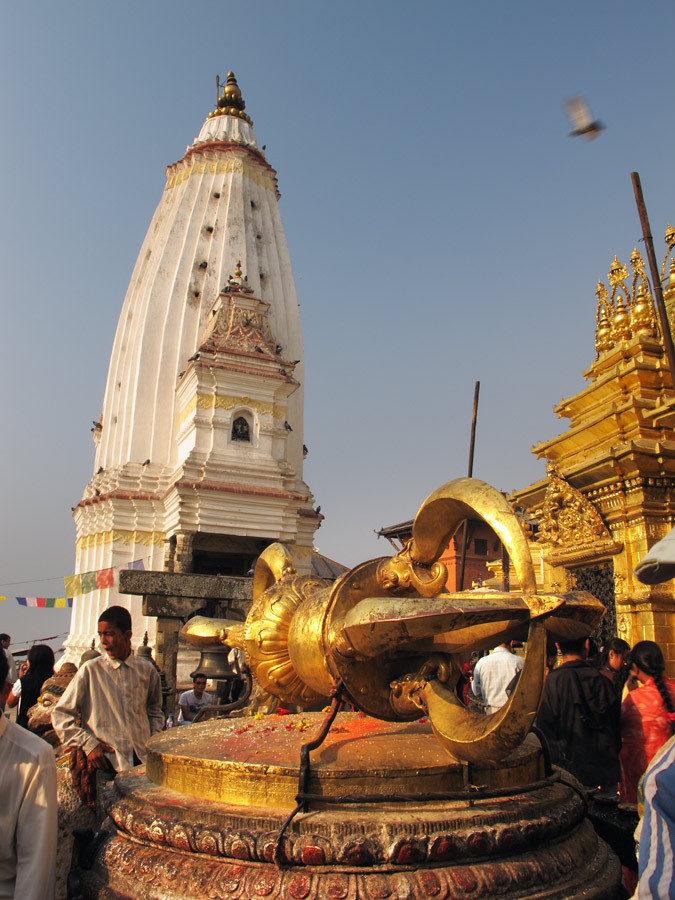
Sutpa of the Swayambhunath temple.

Stupa.
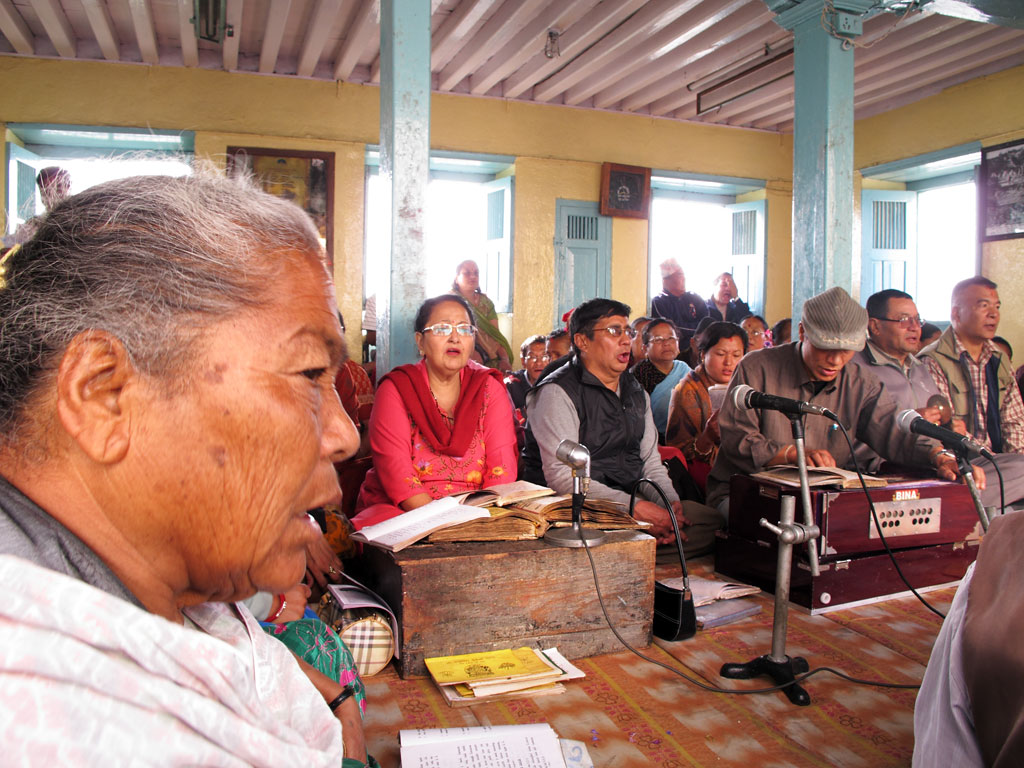
A large group of people were singing and playing instruments by a Tibetan Buddhist temple of Swayambhunath.
.::LISTEN::.
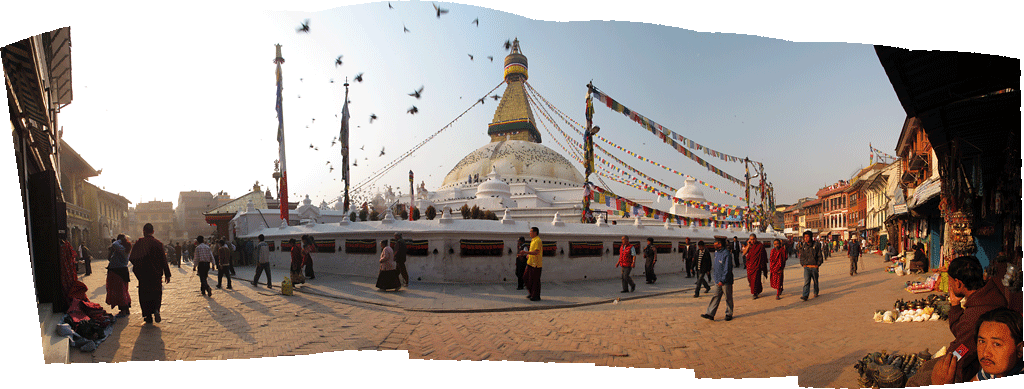
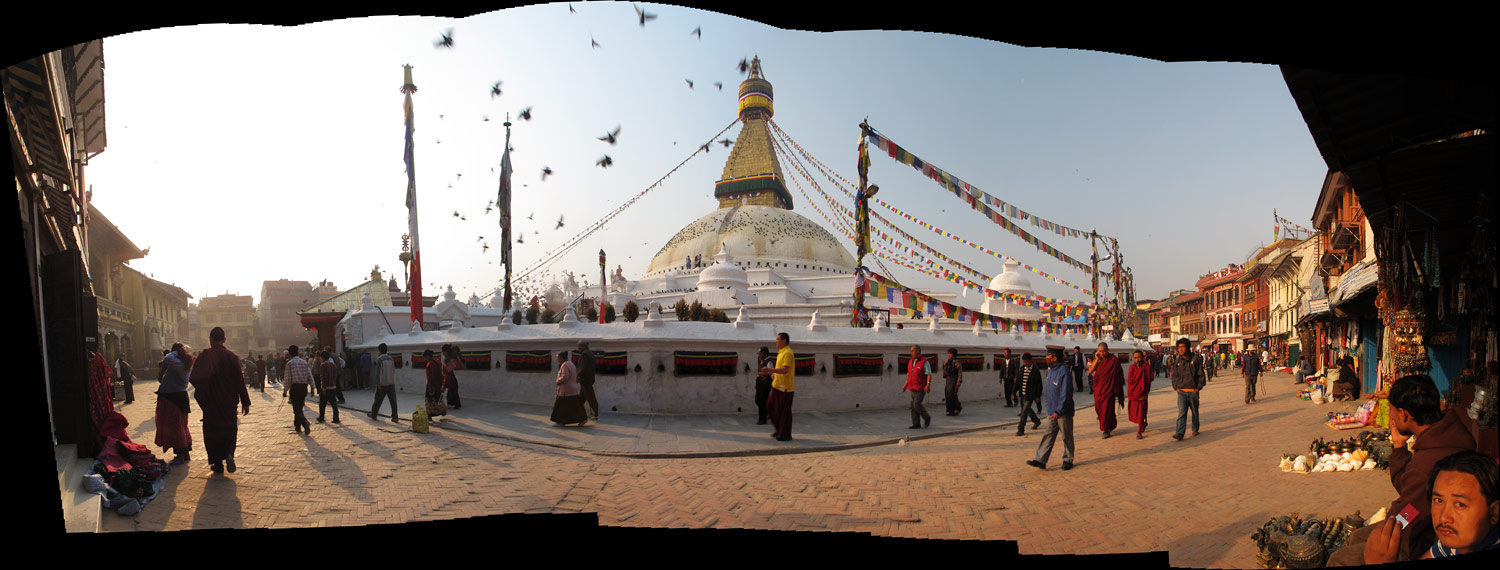
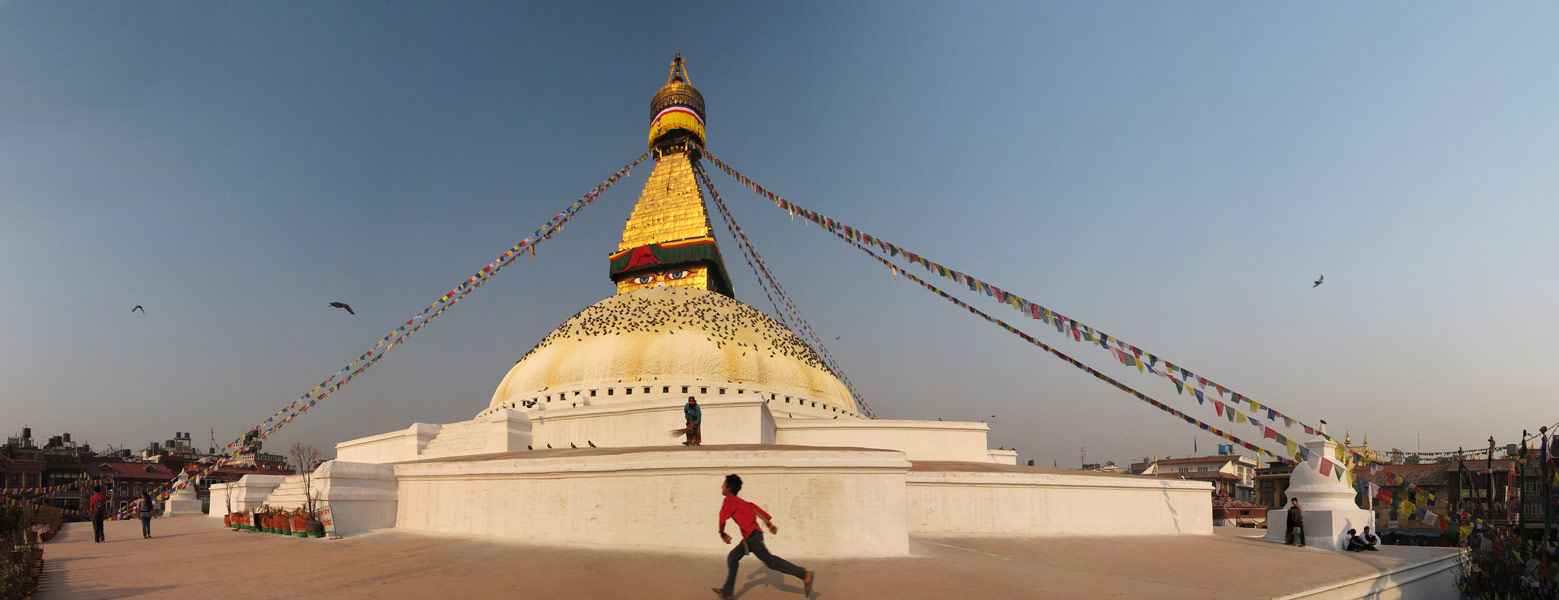
The stupa of Bodhnath - the biggest Tibetan Buddhist stupa outside Tibet.
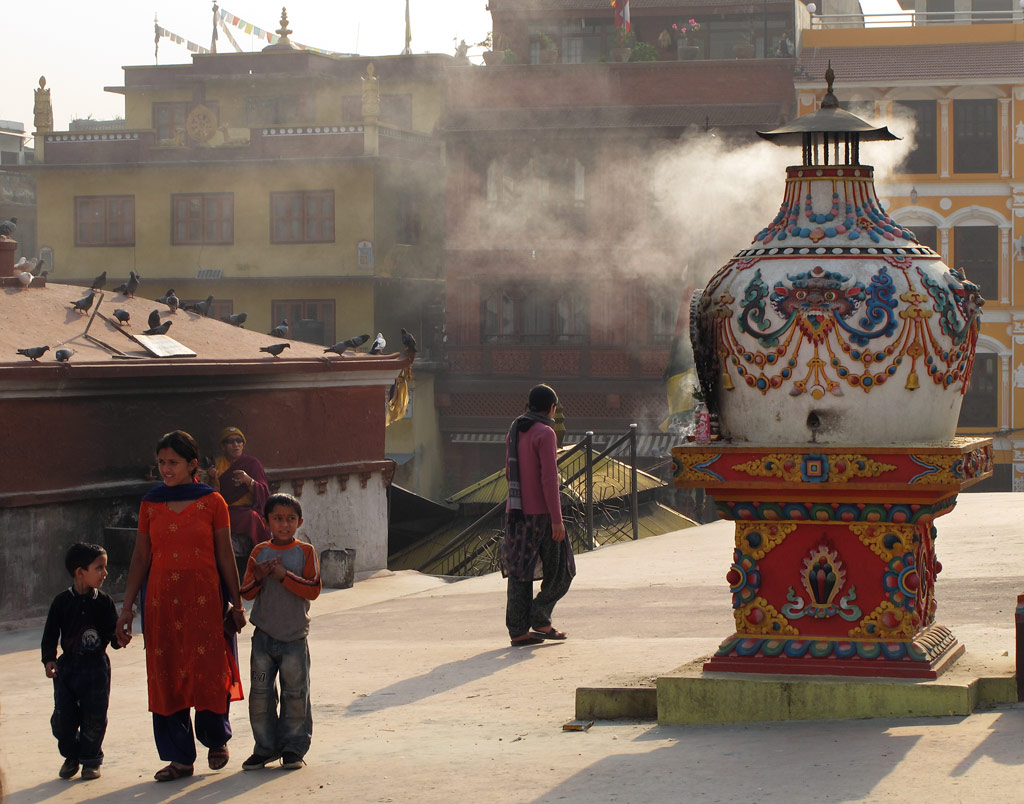
At Bodhnath.
A monk giving his prayers in a musical/spiritual way:
.::LISTEN::.
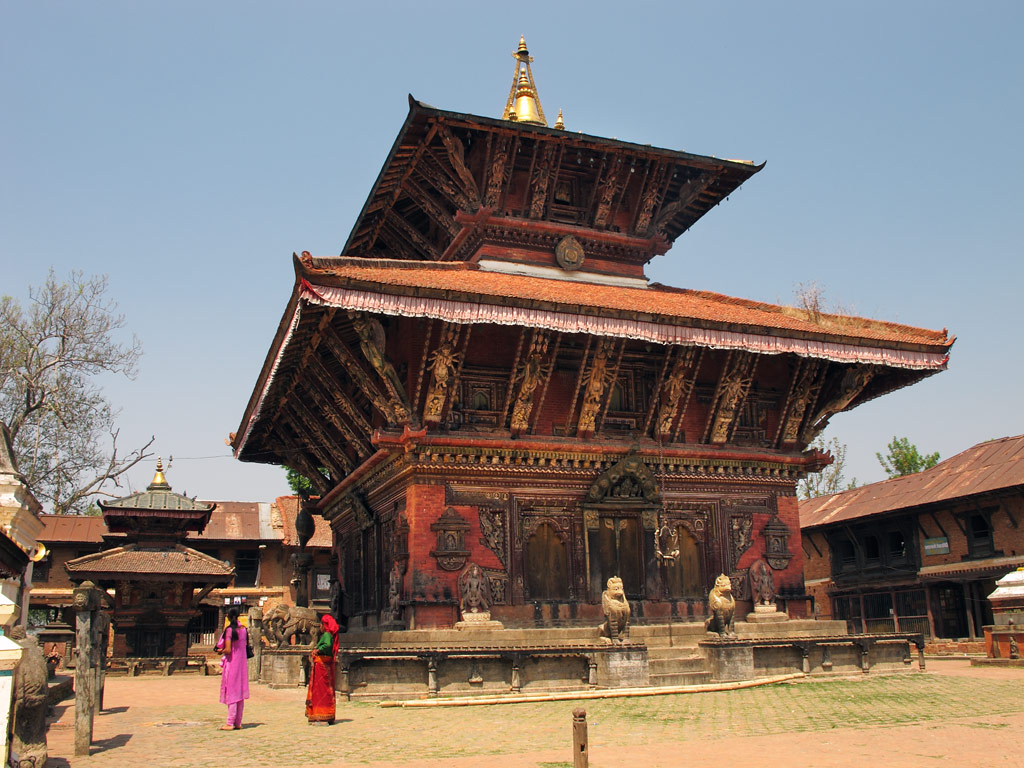
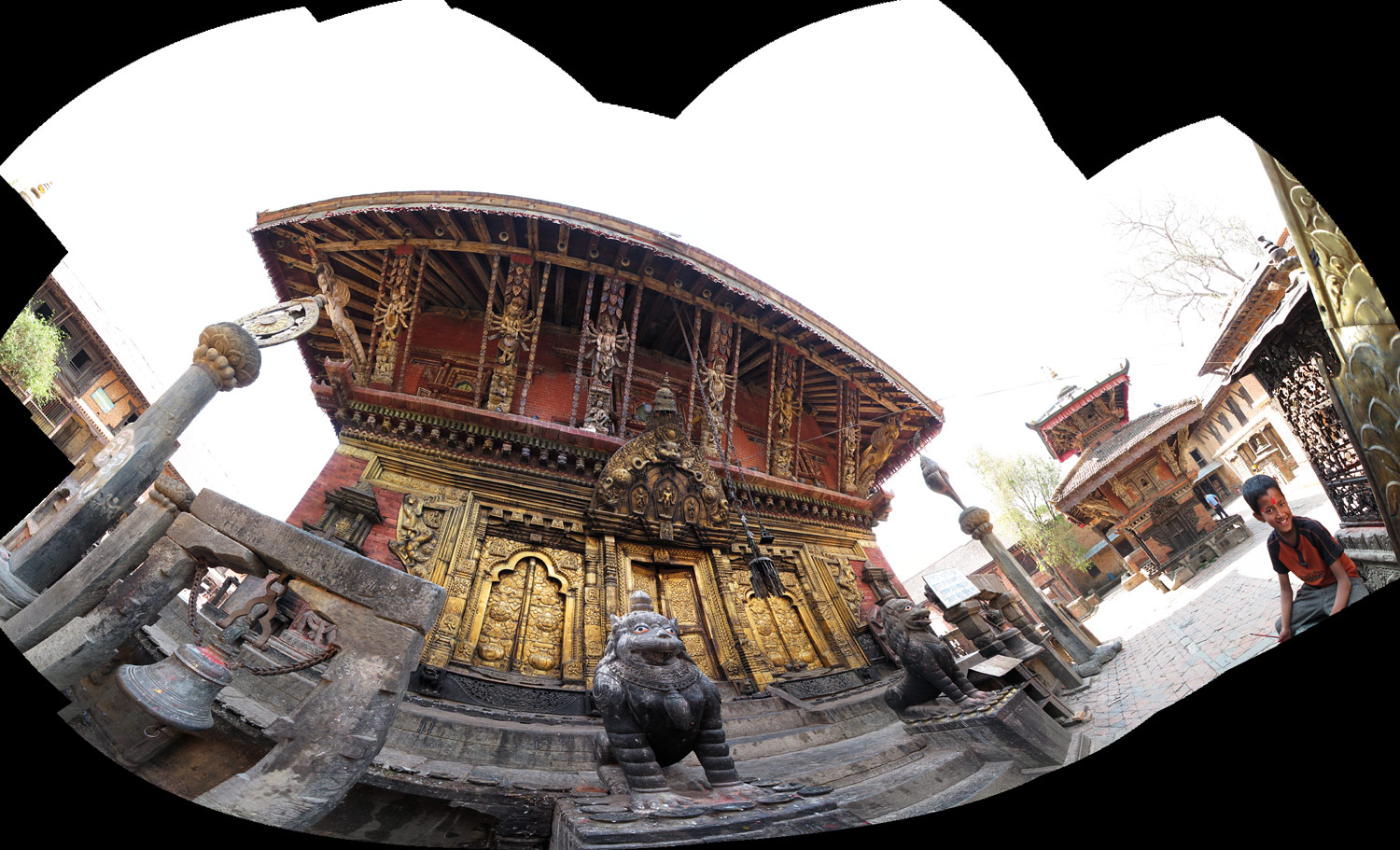
The temple of Changu Narayan in Kathmandu valley - yes, it's UNESCO specced.

Changu Narayan composite picture - click to enlarge.
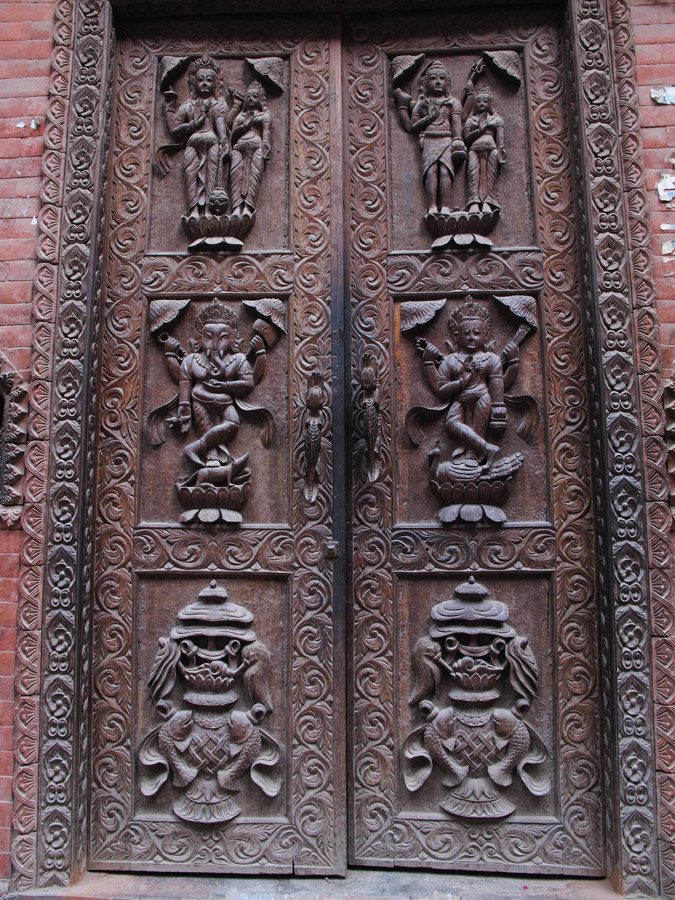
Home's door having Hinduist gods carved in it, to protect, to bring wisdom and to bring luck to the family.
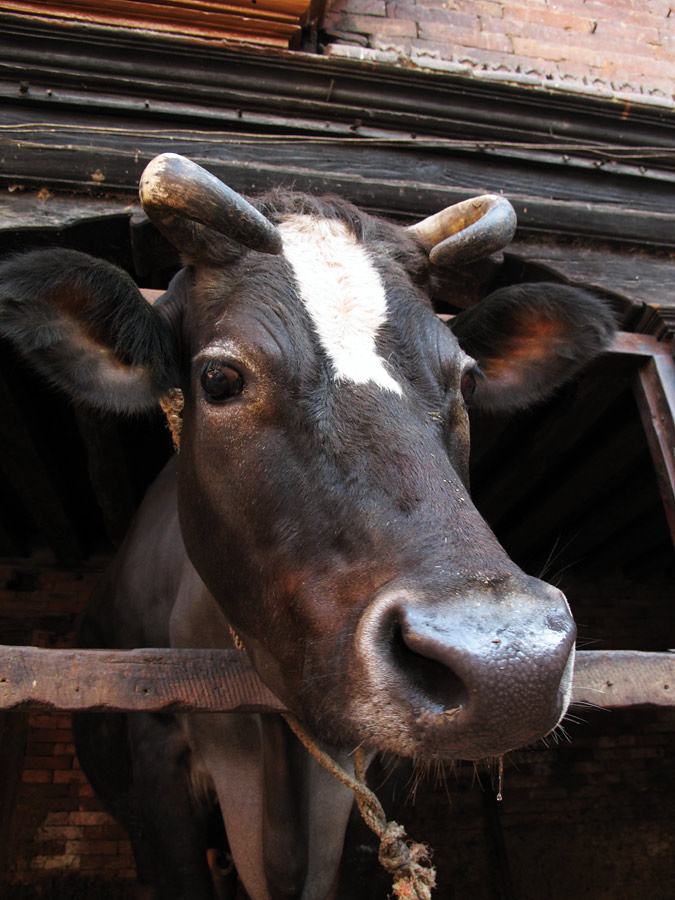
A holy cow in a temple.
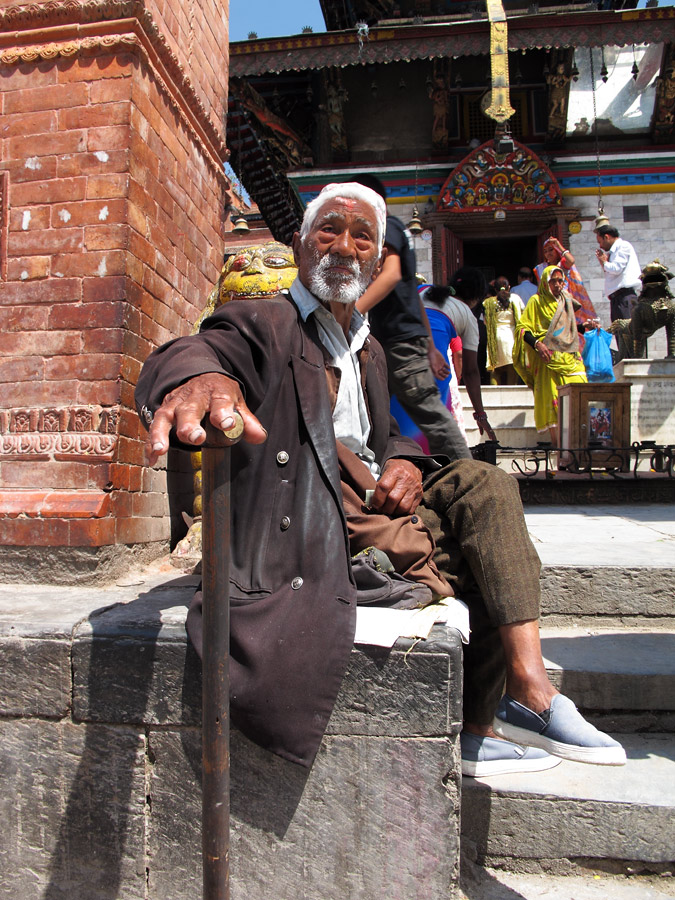
Shoe guard in front of the temple.
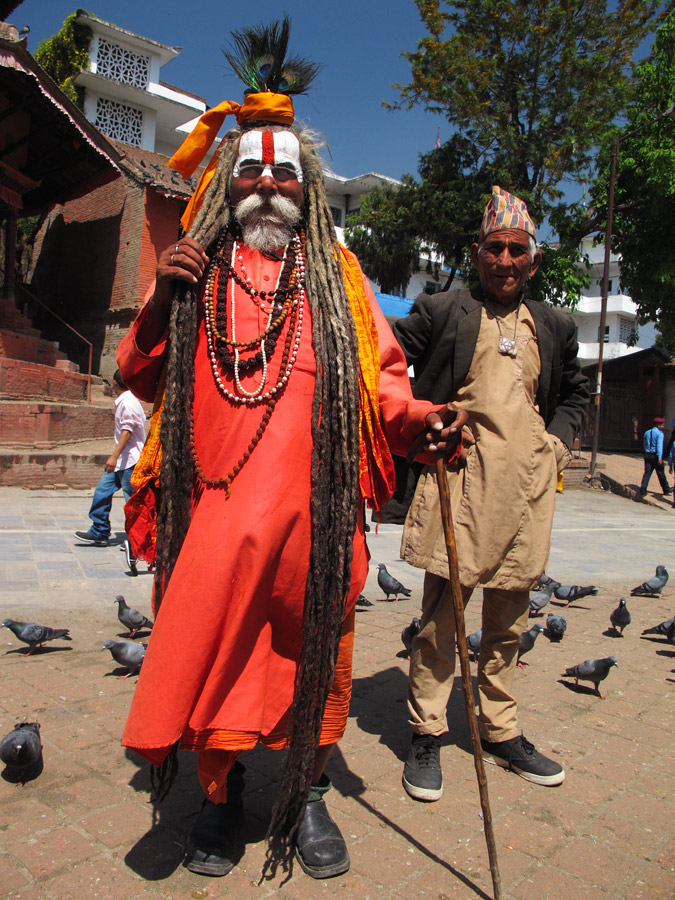
A vivid Holy Man of Nepal.
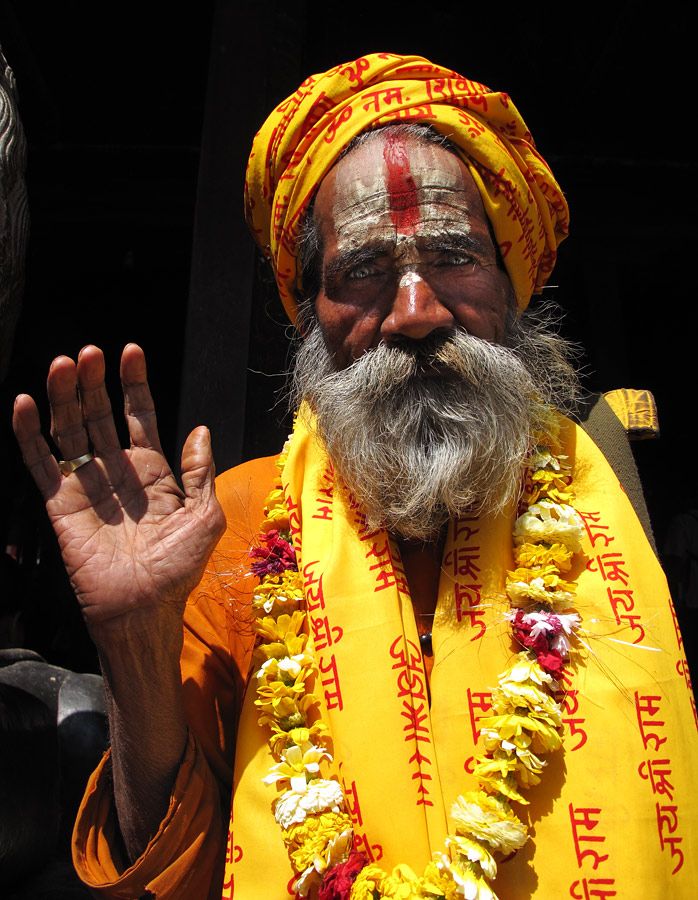
Blessing from the Holy Man.
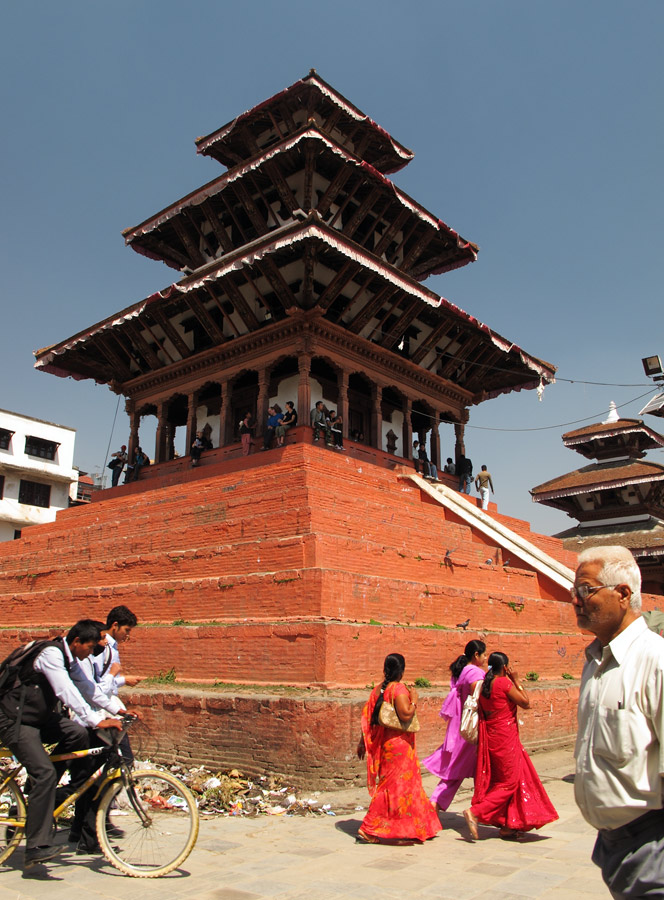
Kathmandu center.
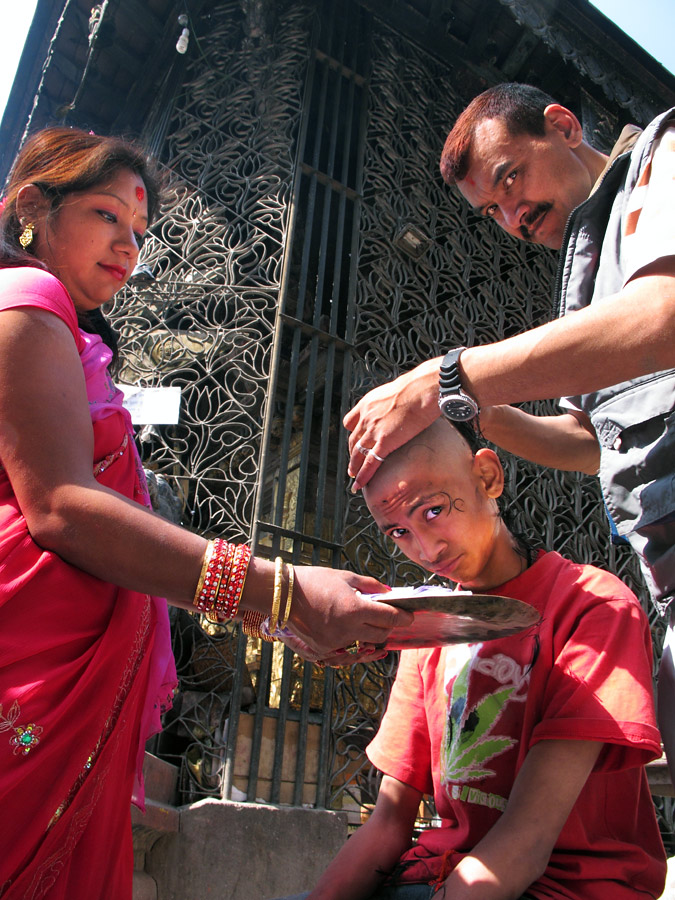
Ritual hair cut in the temple.
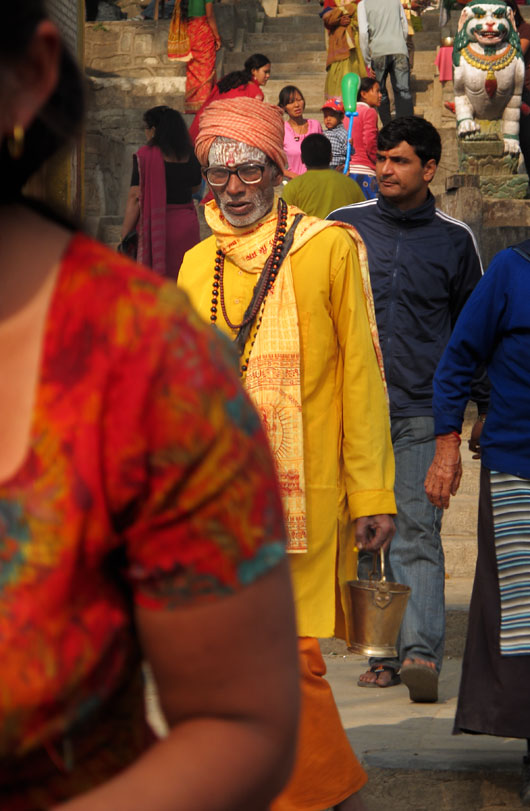
Holy Man.
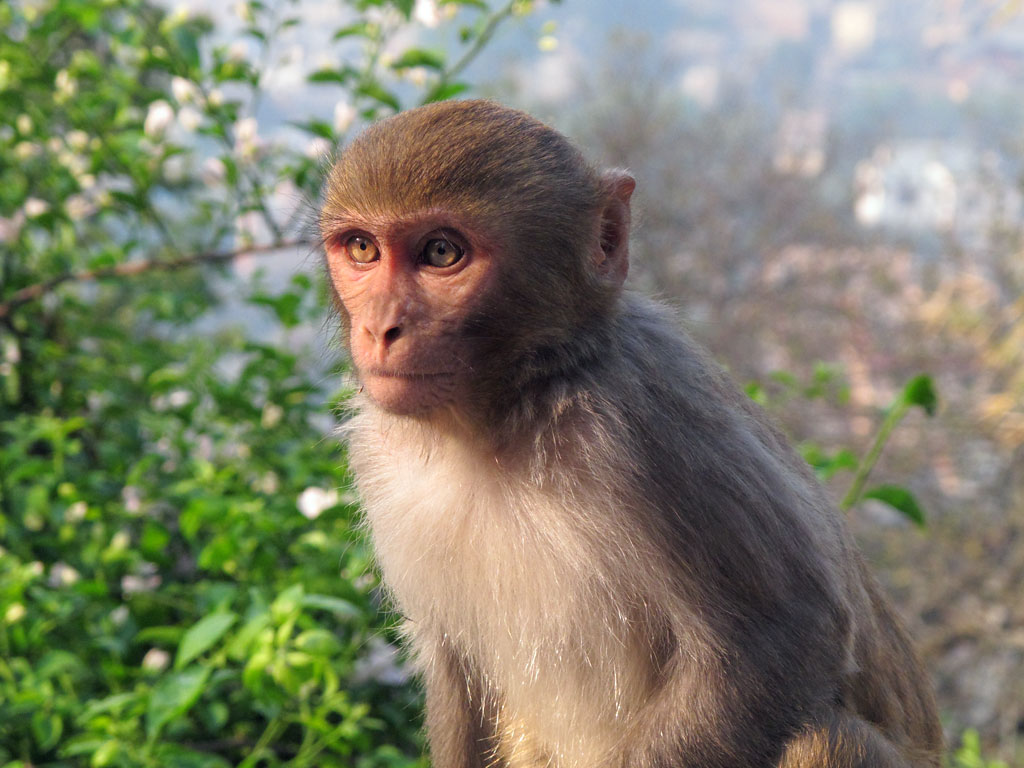
Macaque in the temple complex.
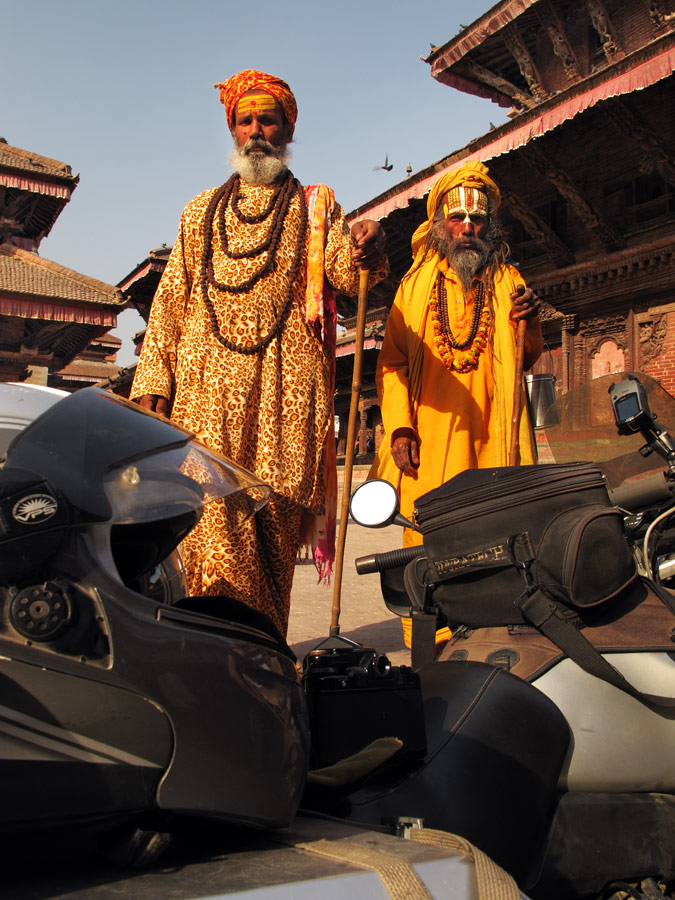
Holy Men and our holy BMW GS, may they both be blessed.
There is something romantic about religion and rituals - perhaps because they have a story, a reason behind them. One of the most beautiful elements we found there are the prayer flags and prayer wheels originating from Tibet.
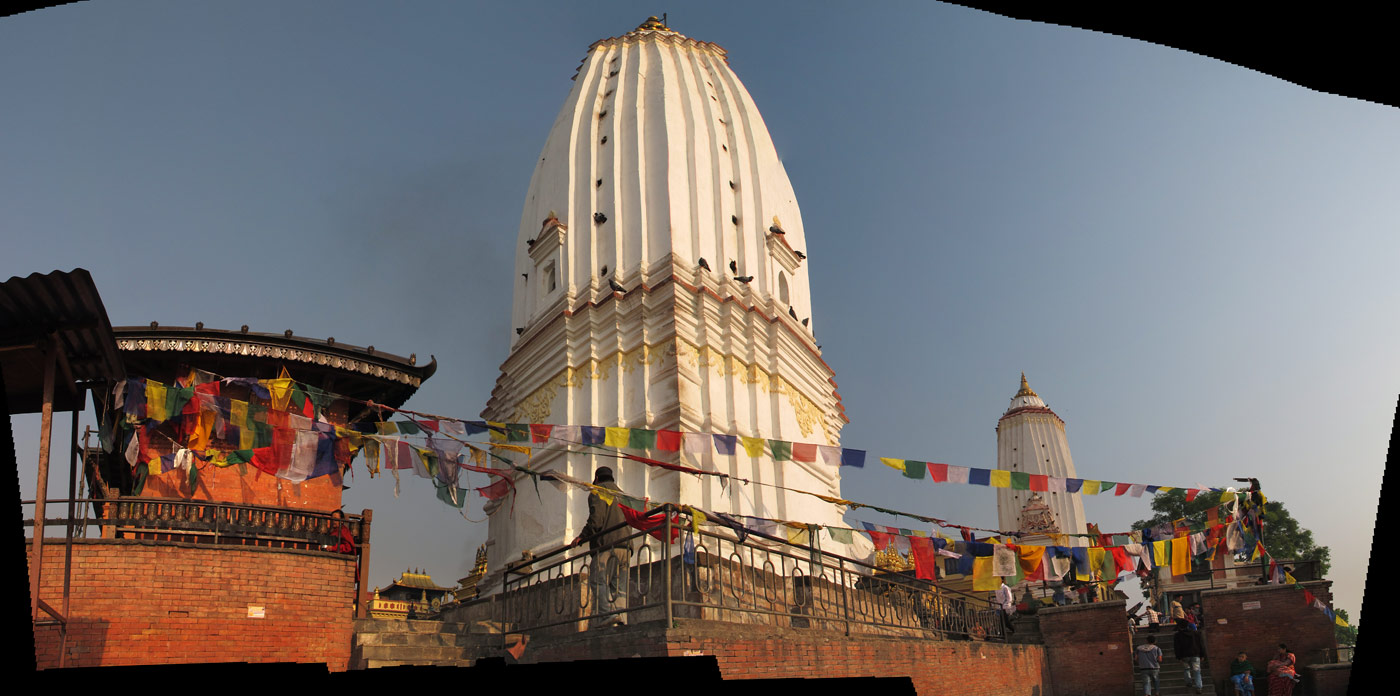
We had seen them in pictures and movies about the Himalayas, but it is here that we learned more about the colourful pieces of cloth attached to the mountain temples. Of course, these are not simple pieces of cloth, but they depict important symbols and mantras of Buddhism, and of course, they should be hung in a specific order (blue, white, red, green and yellow - standing for the void, air, fire, water and earth respectively). It is thought that the wind carries the mantras and thus the good will to the people and the land, so it is important to choose a sunny and windy day for hanging the flags. In time, the mantras fade due to the elements - the sun and the wind, and become part of the Universe. the old prayer flags are burnt and replaced by new ones on the Tibetan New Year.

(click to enlarge)

(click to enlarge)
The prayer wheels seem to have a similar function to that of the flags, carrying one specific mantra in Sanskrit: Om Mani Padme Hum. Spinning the wheels is thought to have the same effect as verbally reciting the mantra.
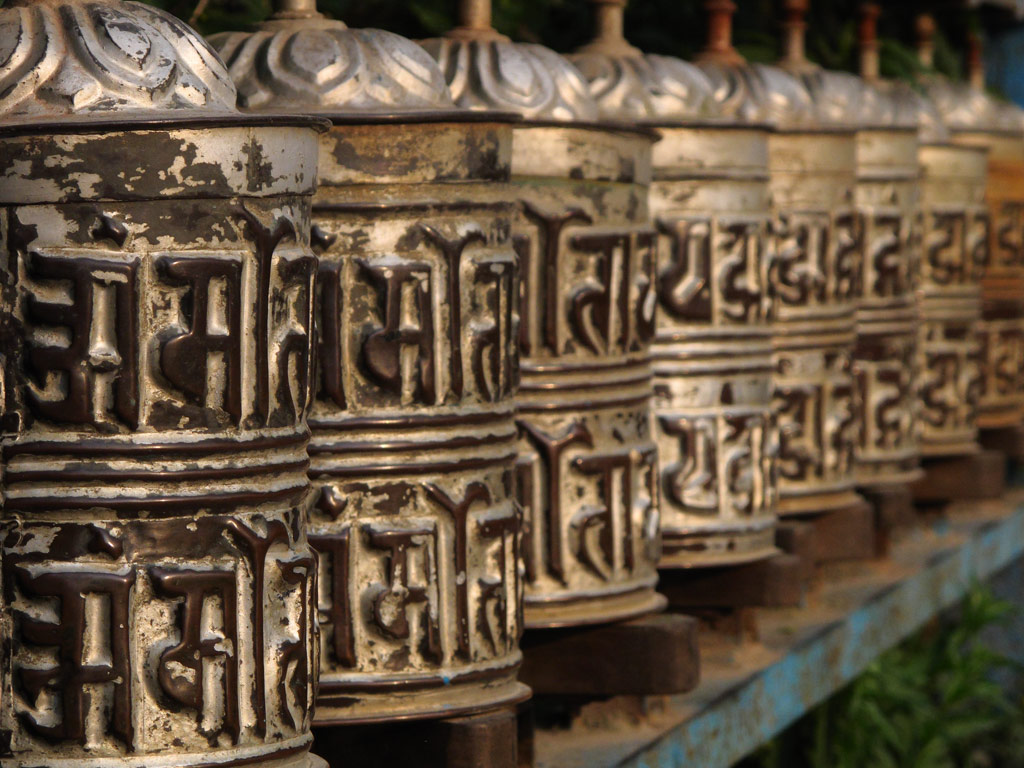
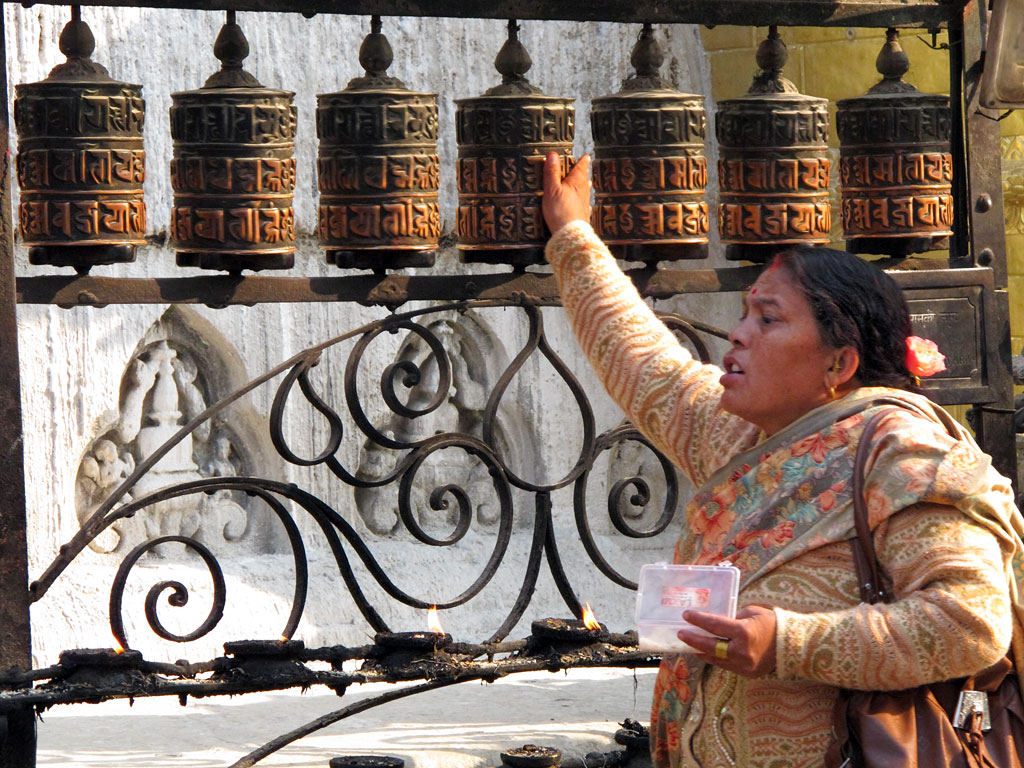
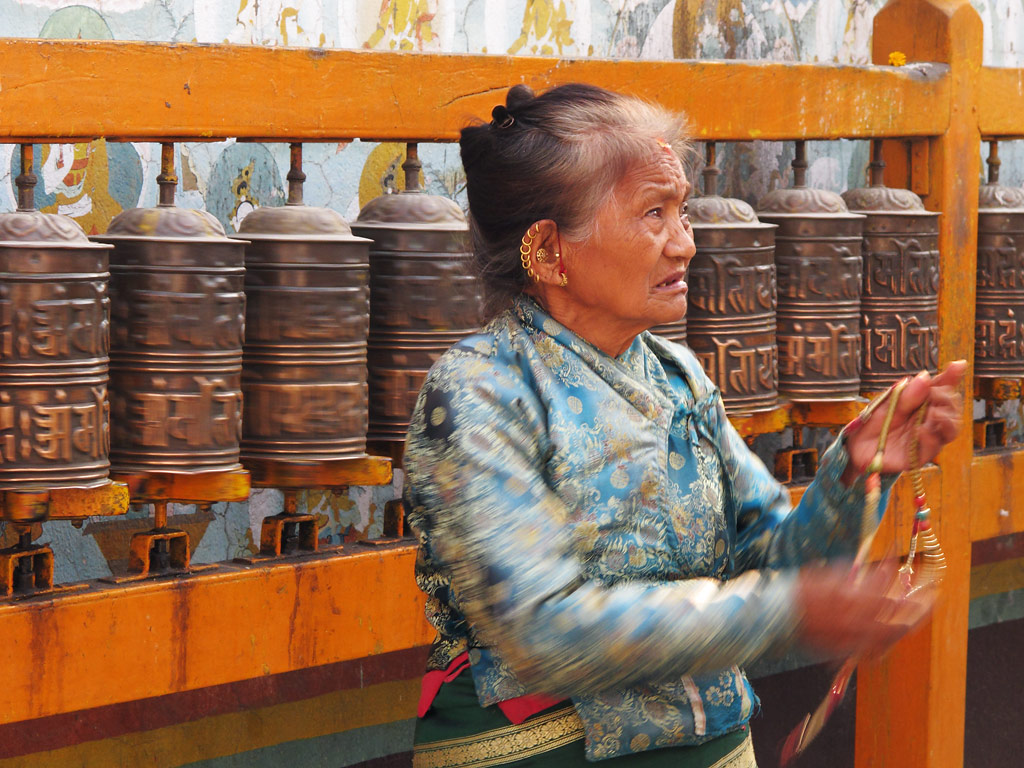
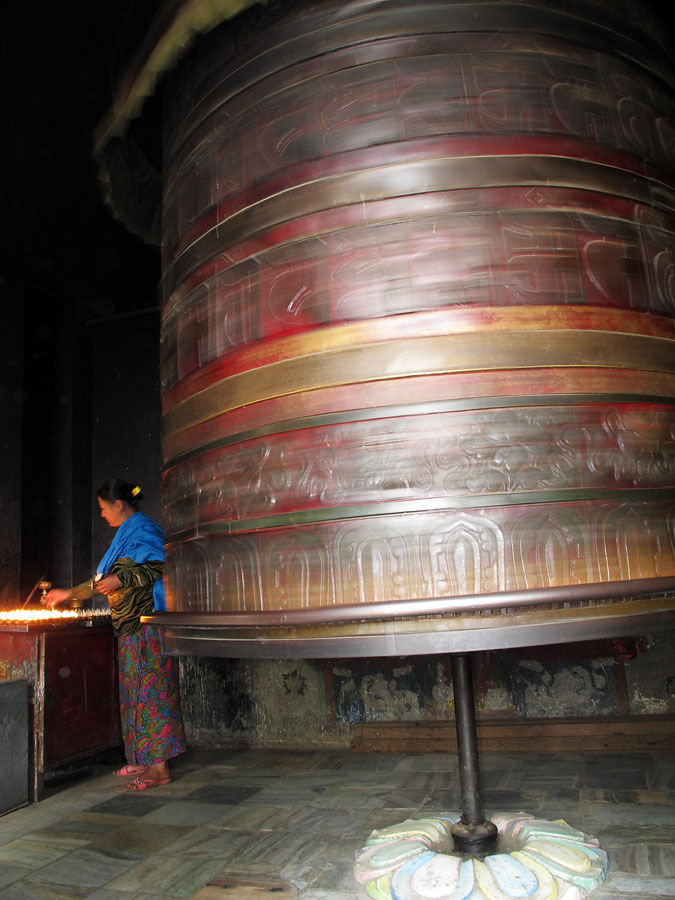
A big prayer wheel.
The overwhelming spirituality is quite different from the one that we are used to in the Christian, or even Muslim world, where most of worshipping happens in churches and mosques. Here, the religious energy is scattered around the people and the city, and is very much a part of everyday life.
Here's a little slideshow how a haircut, beard shave and massage is done in Kathmandu style: with scissors only, since there's no electricity.
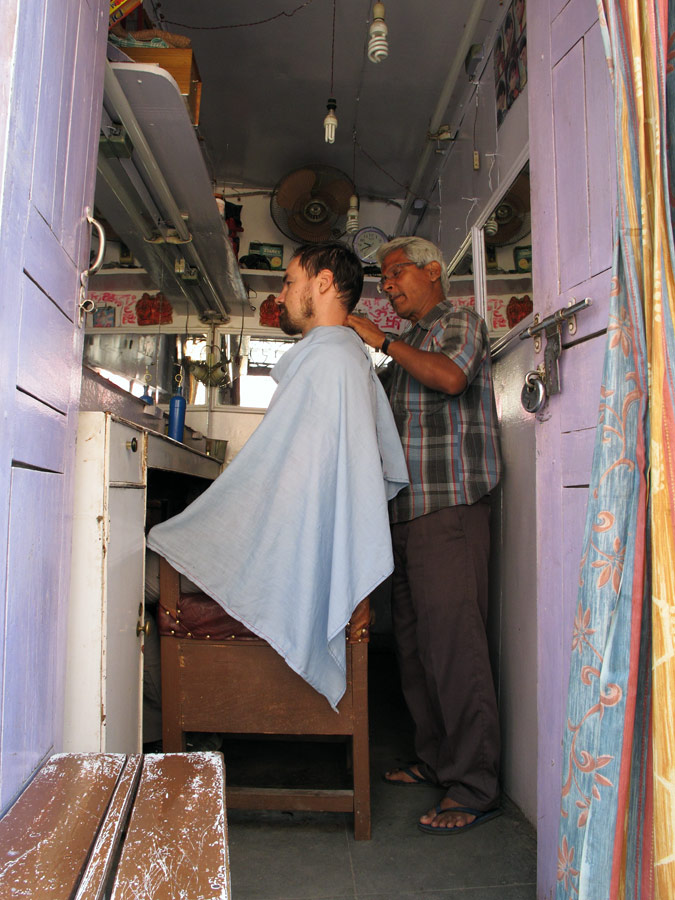
Getting ready in a rather smallish barber's room.
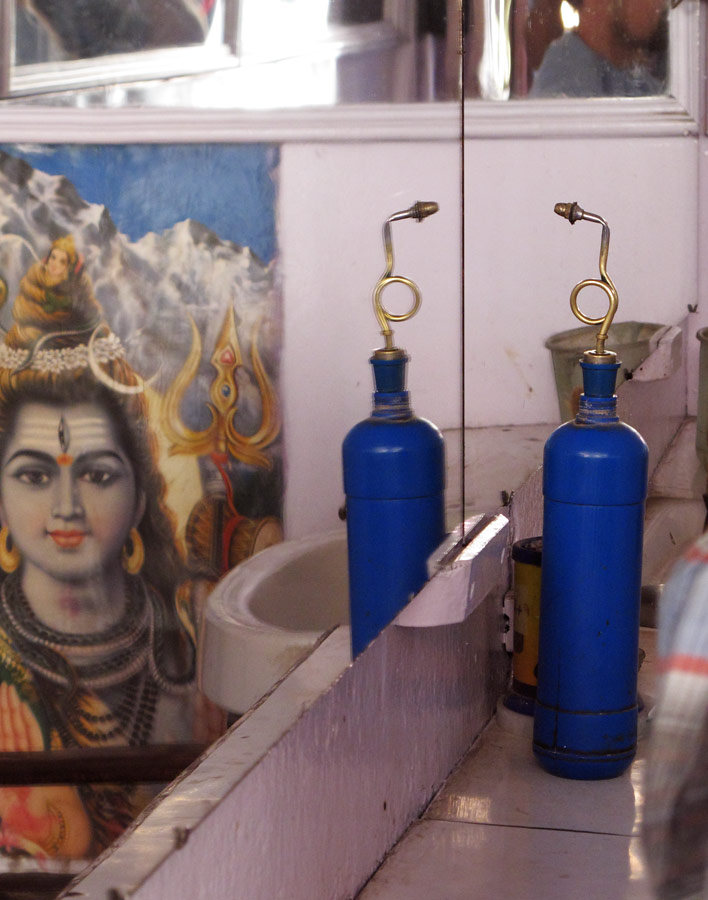
Hindu rethorics in reflection with a strange barber's bottle - perfume?
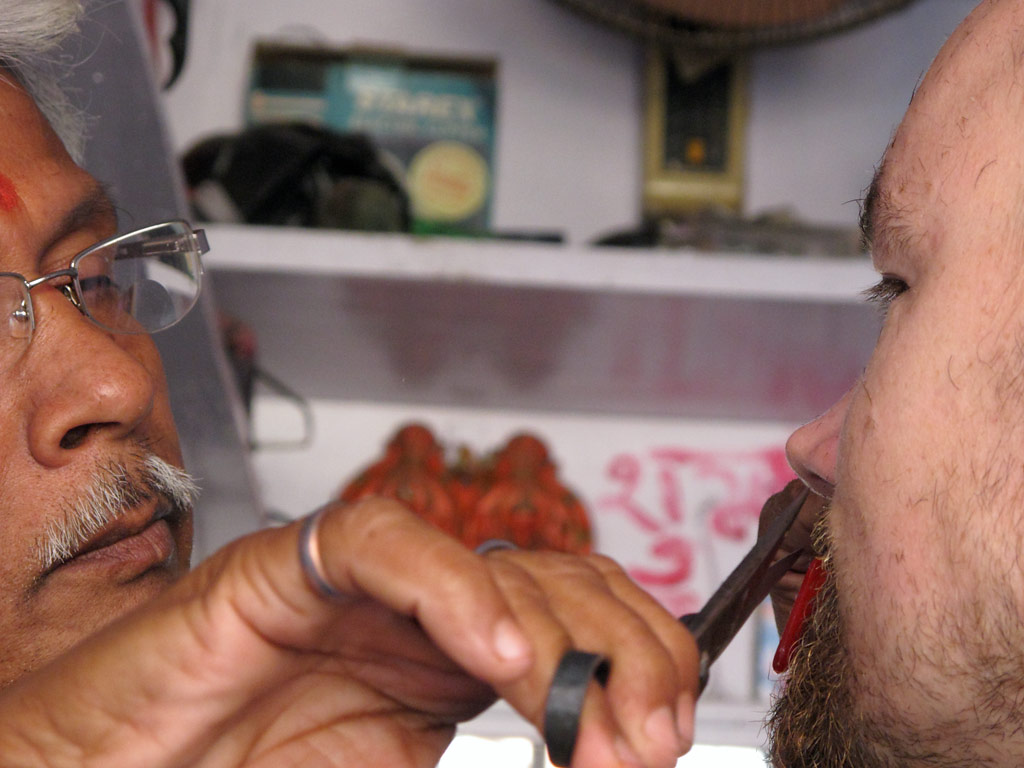
After amazingly quick work with scissors only on my hair, it was time to lose some moustache.
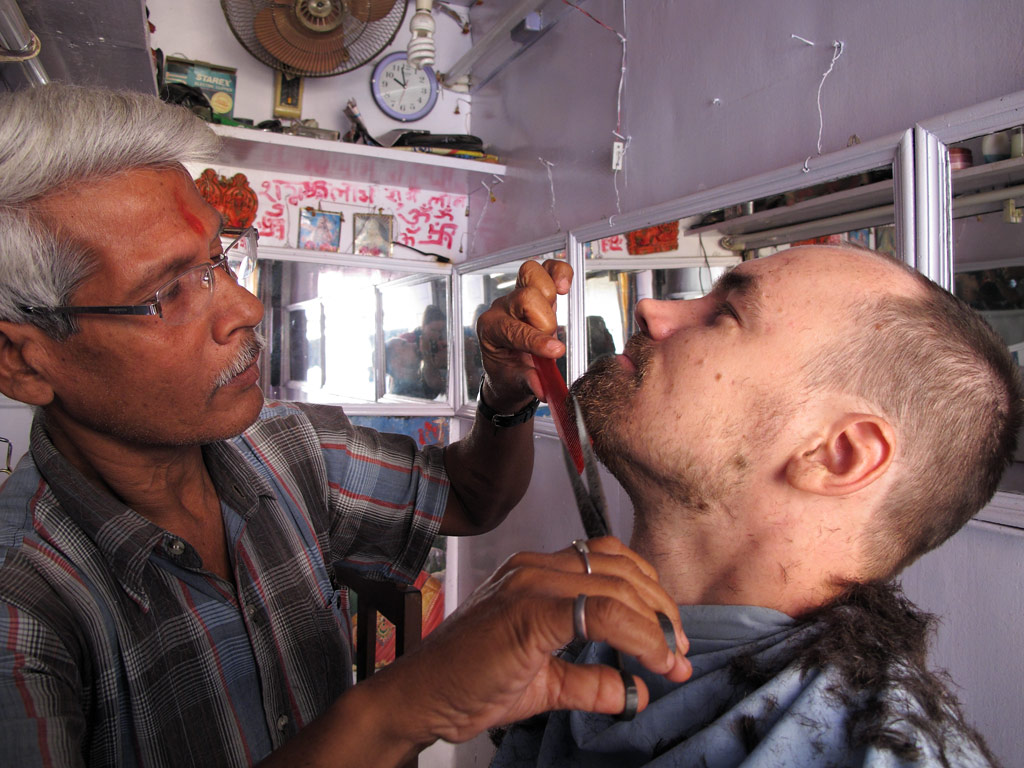
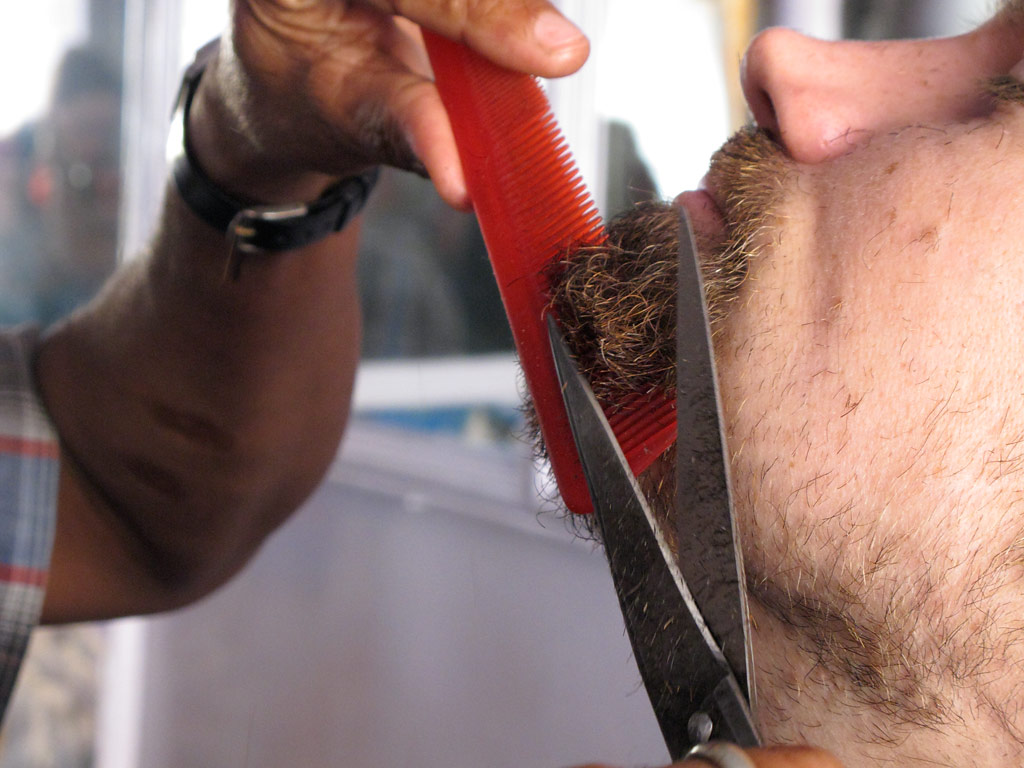
You just can't believe how stunningly precise and quick the guy was with bare scissors. Even hi-teched western barbers with their fancy electronic gizmos don't compare.
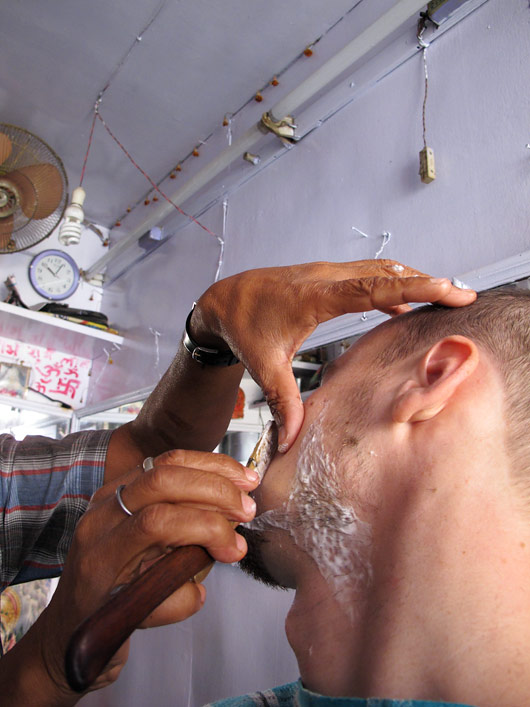
He gave me some shave as well.
And last but not least - a proper head massage in Nepal way!
<object width="640" height="505"><param name="movie" value="http://www.youtube.com/v/GvW4lA-ZTsE&hl=en_US&fs=1&"></param><param name="allowFullScreen" value="true"></param><param name="allowscriptaccess" value="always"></param><embed src="http://www.youtube.com/v/GvW4lA-ZTsE&hl=en_US&fs=1&" type="application/x-shockwave-flash" allowscriptaccess="always" allowfullscreen="true" width="640" height="505"></embed></object>
...did you hear the crack? :huh
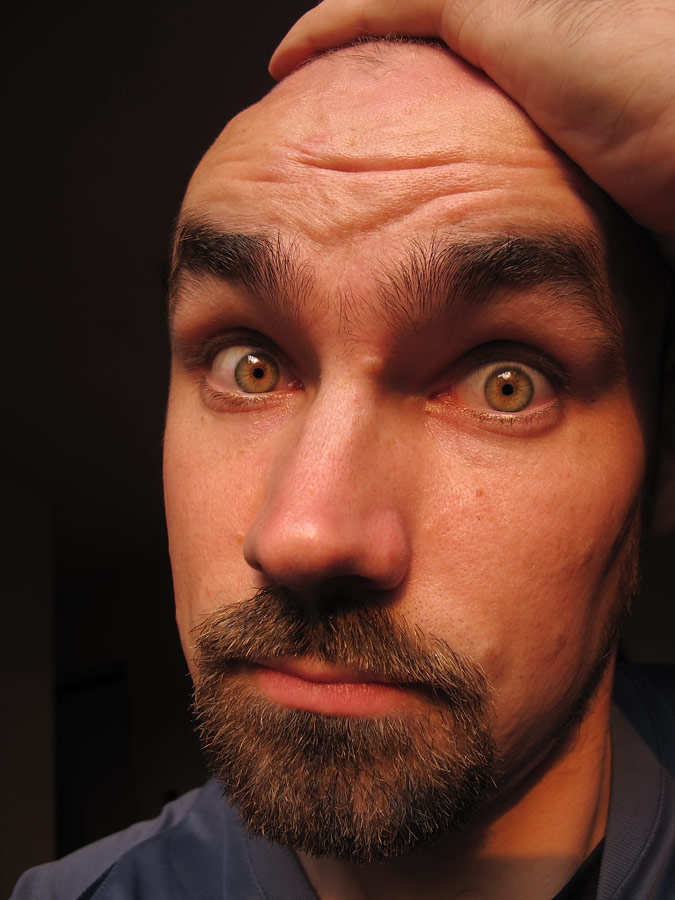
But fortunately, I survived.

A kid walking down from the roof of a house in Kathmandu
We only spent a short time in Nepal, but already we felt at home. We learned to love the local food (especially some of it), we learned about Tibetan Buddhism.
We really wanted to see the Himalayas (and normally it should be possible from certain points reachable by motorized vehicles, not only on a trek), but the smog was so impenetrable that one could barely see a couple of kilometres away. Even in Pokhara, the town famed for its views of the nearby Annapurna range, we could not see even a tiniest hint of the great mountains.
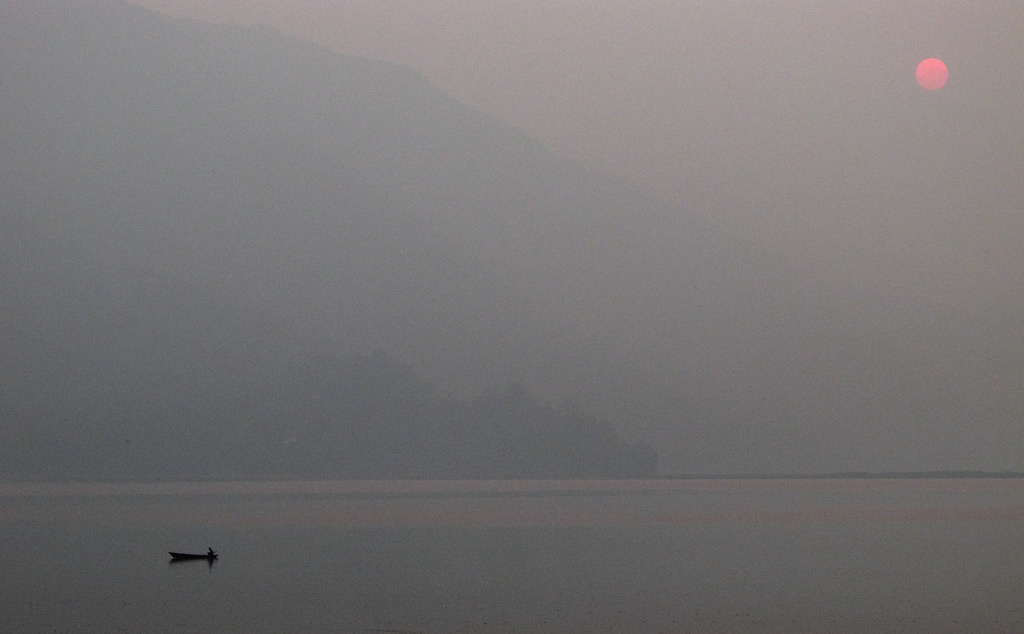
Lake in Pokhara.
These are just some hills, the real stuff should be right behind them. So much of the Nepalese trademark!
Somewhat disappointed, we toured around some villages and got acquainted with the local life and people.
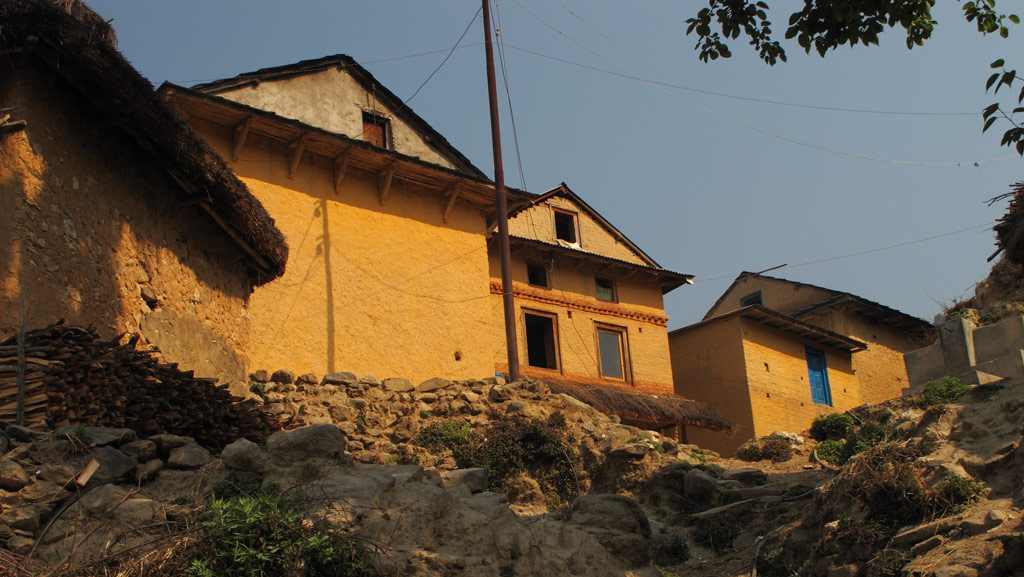
Nepalese village houses.
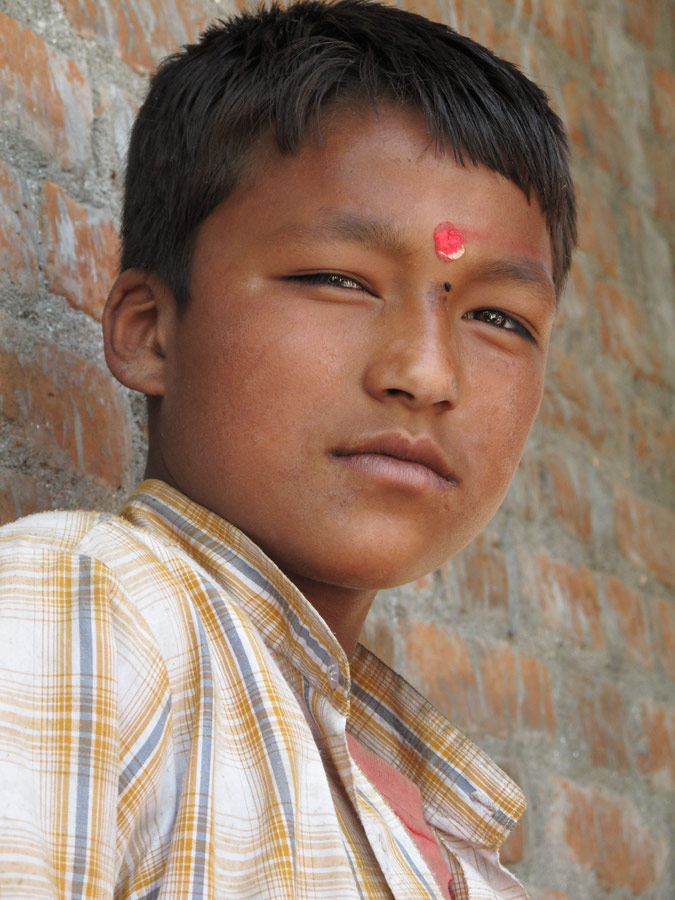
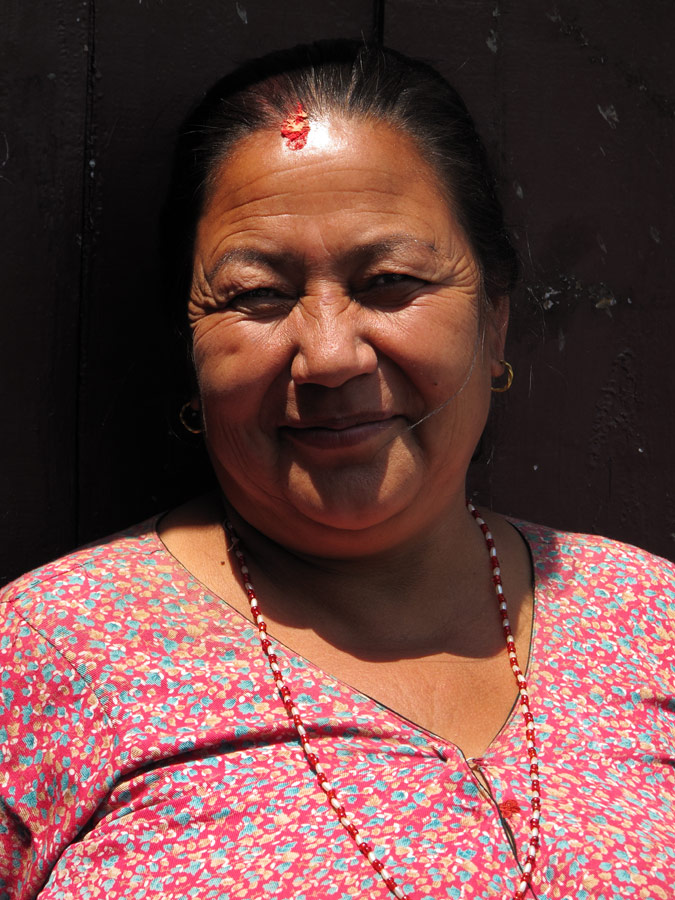
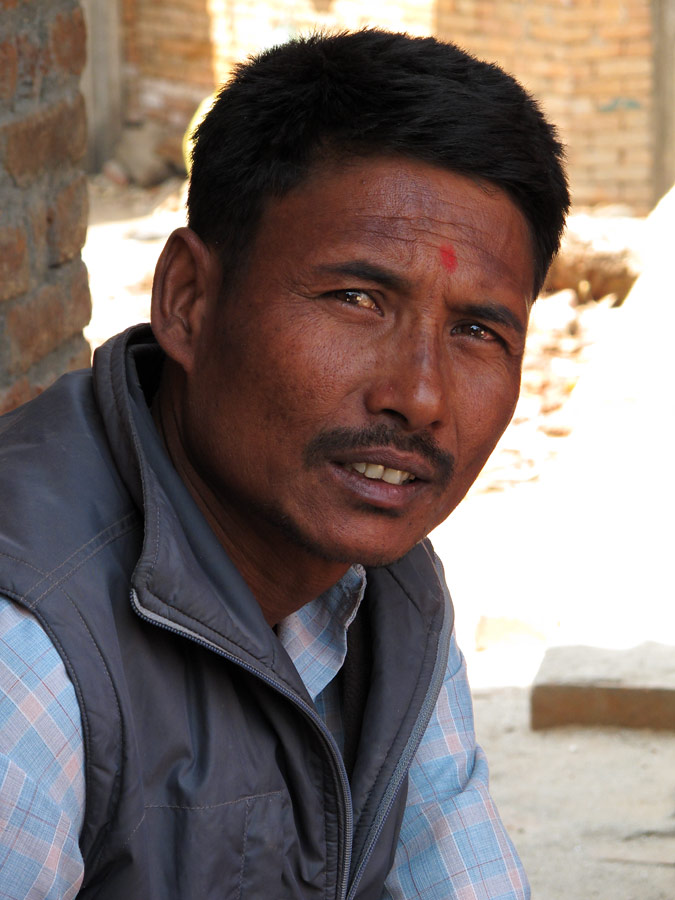
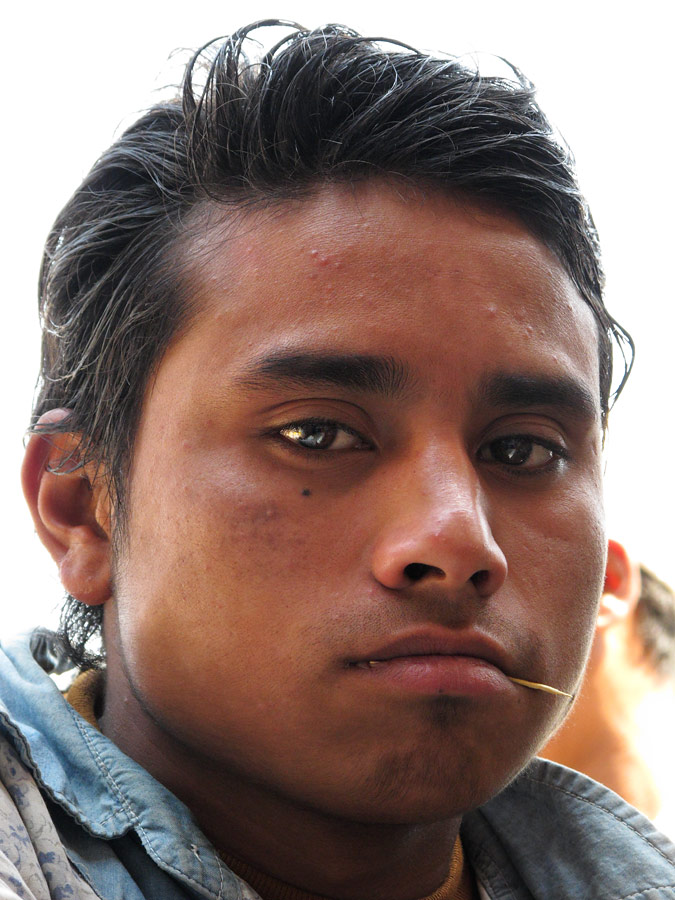
People of the rural Nepal.
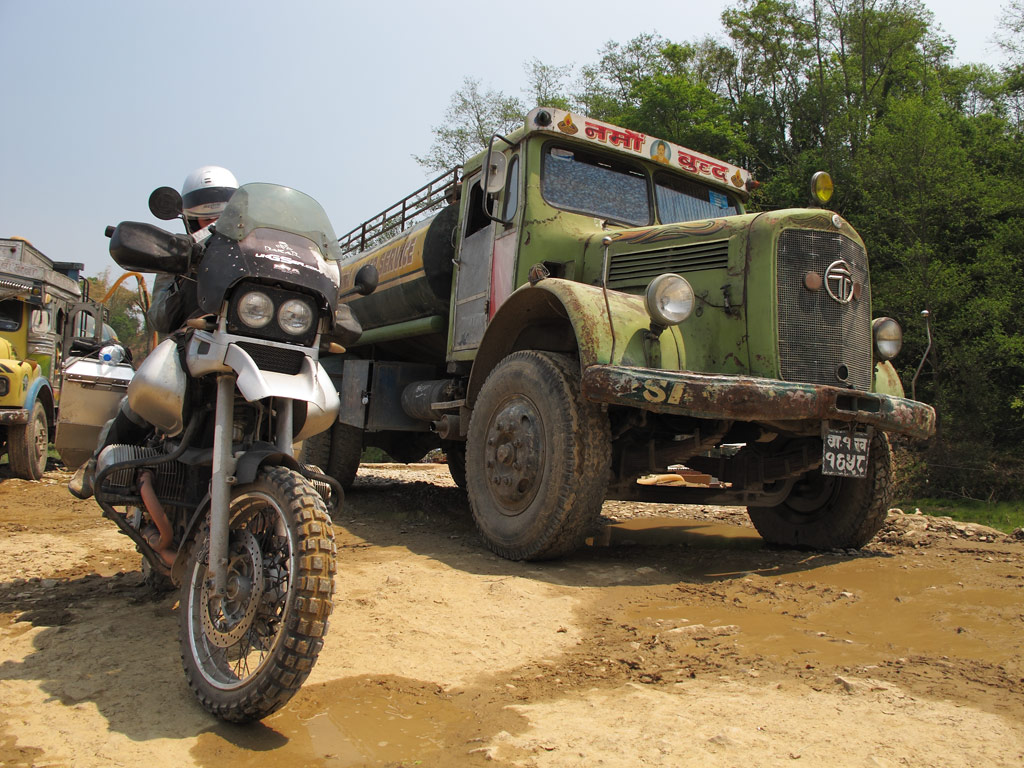
GS and Indian TATA trucks - far relatives?
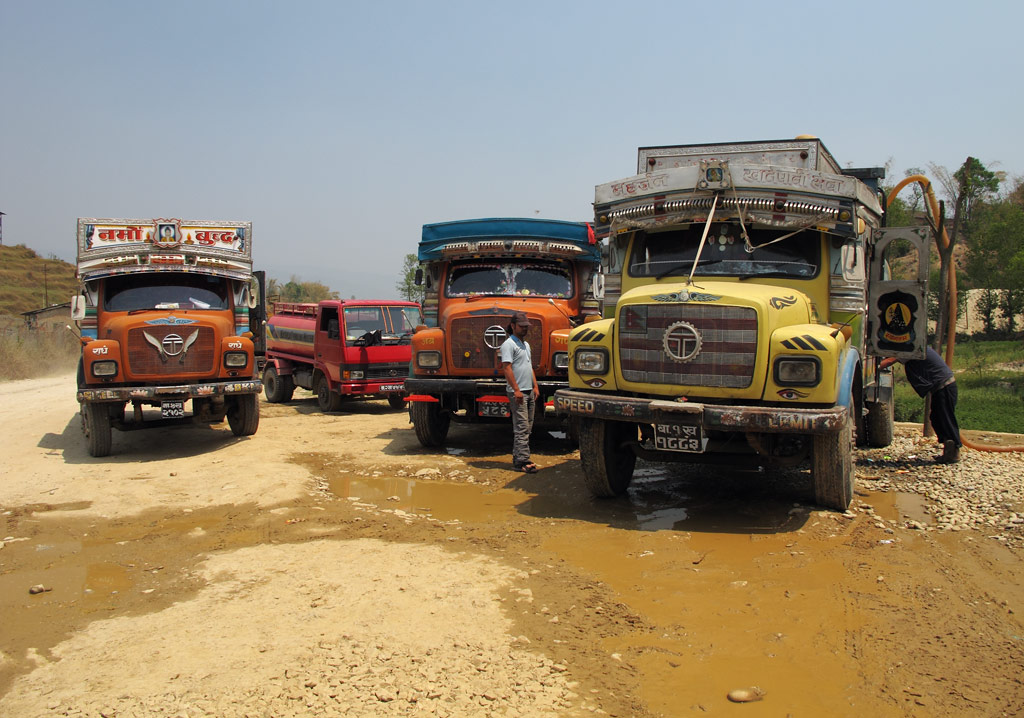
TATAs.
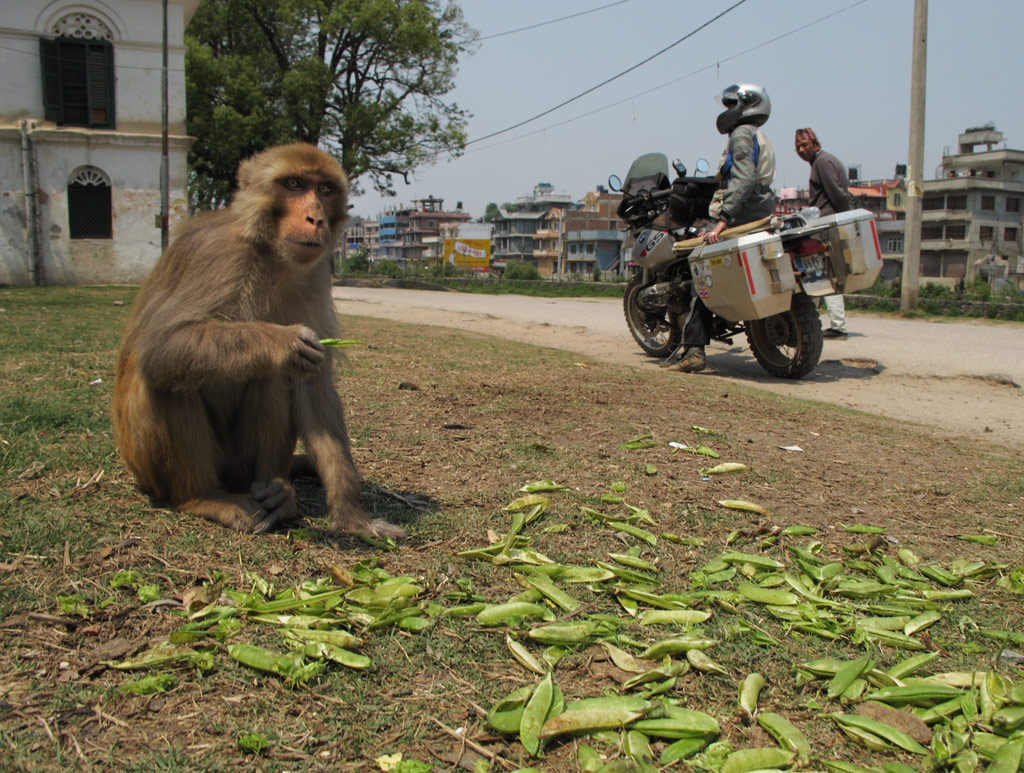
Macaque near Kathmandu.
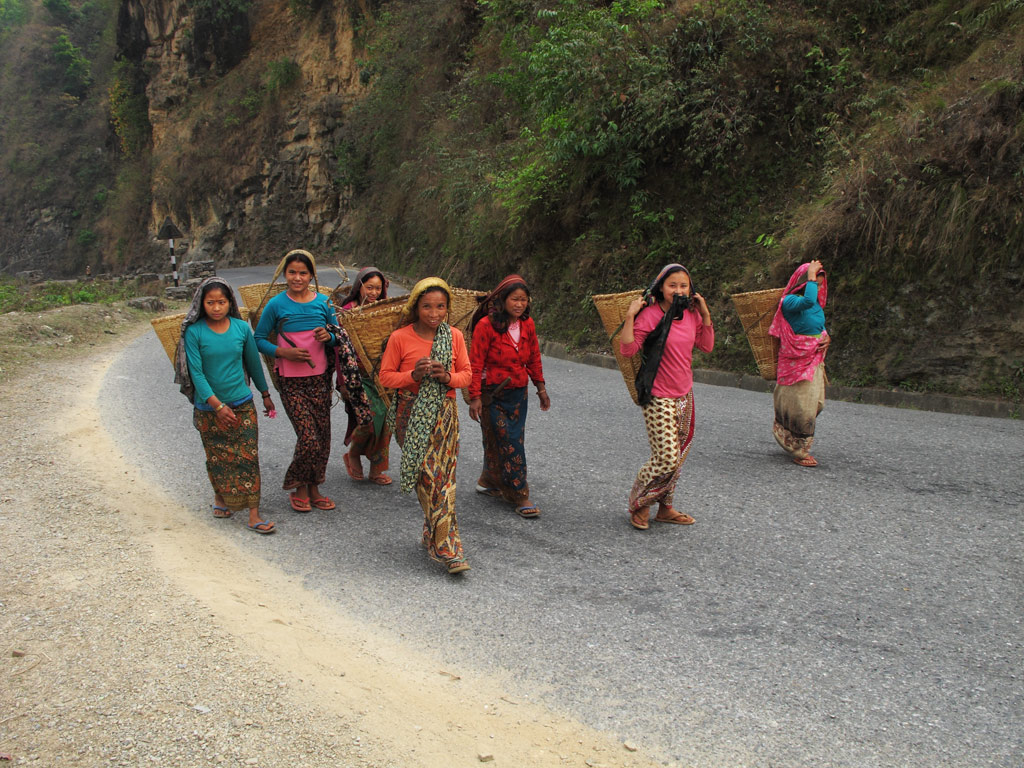
Women going to work into the mountains.
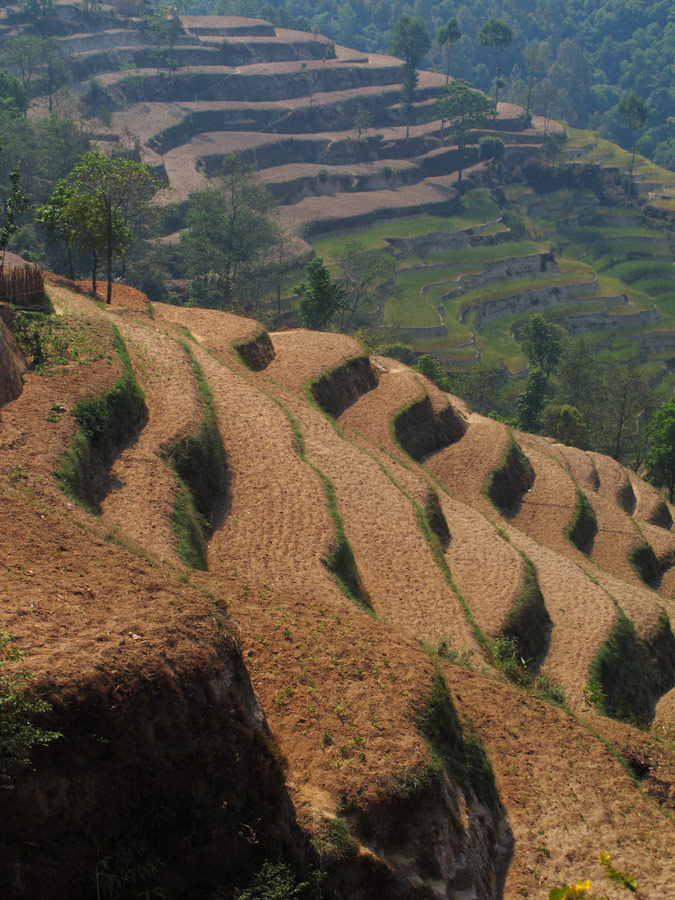
Terraces in the mountains.

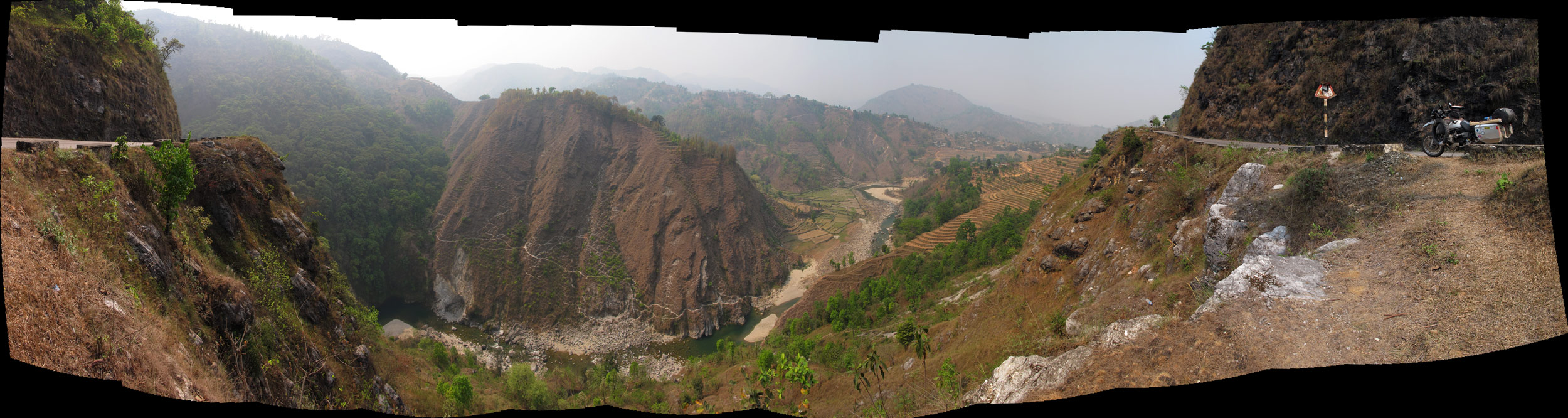
Mountanous landscapes of Nepal (click to enlarge panoramas)


One of the more memorable experiences was a visit to a Tibetan refugee settlement near Pokhara, where I chatted with the young monks (who, surprisingly, spoke good English). The people looked different there, slightly like Mongolians. We also observed the daily religious ceremony in the settlement's temple, the sound of which was truly spiritual. Just listen to those horns!
.::LISTEN 1::.
.::LISTEN 2::.
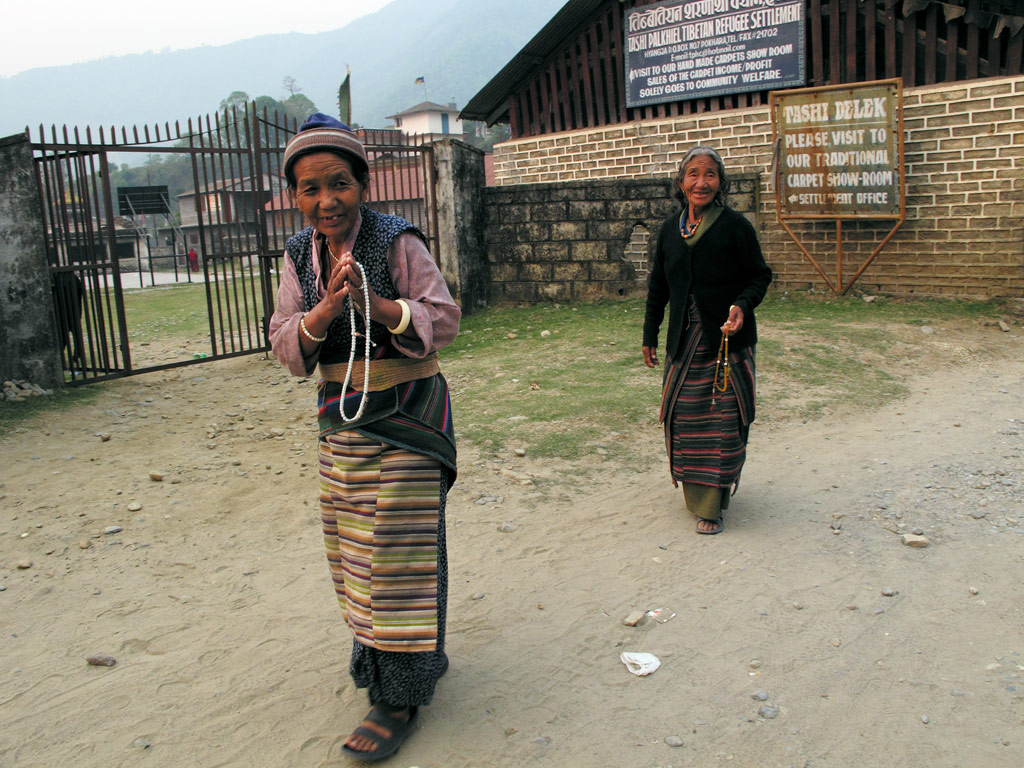
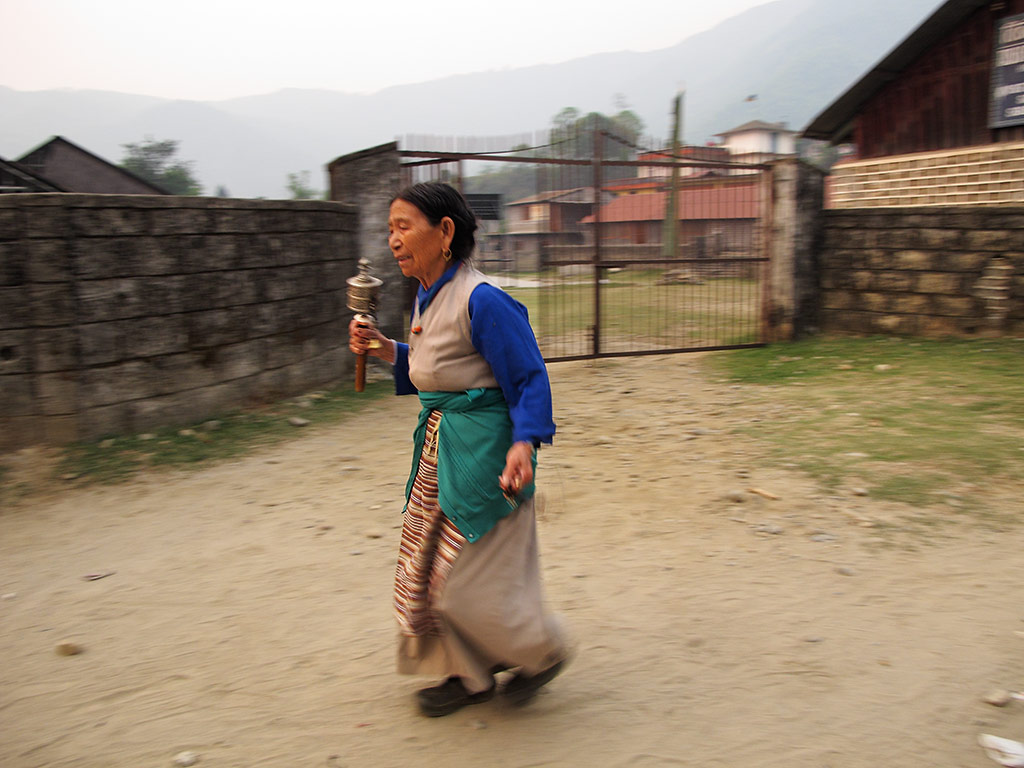
A woman with a prayer wheel.
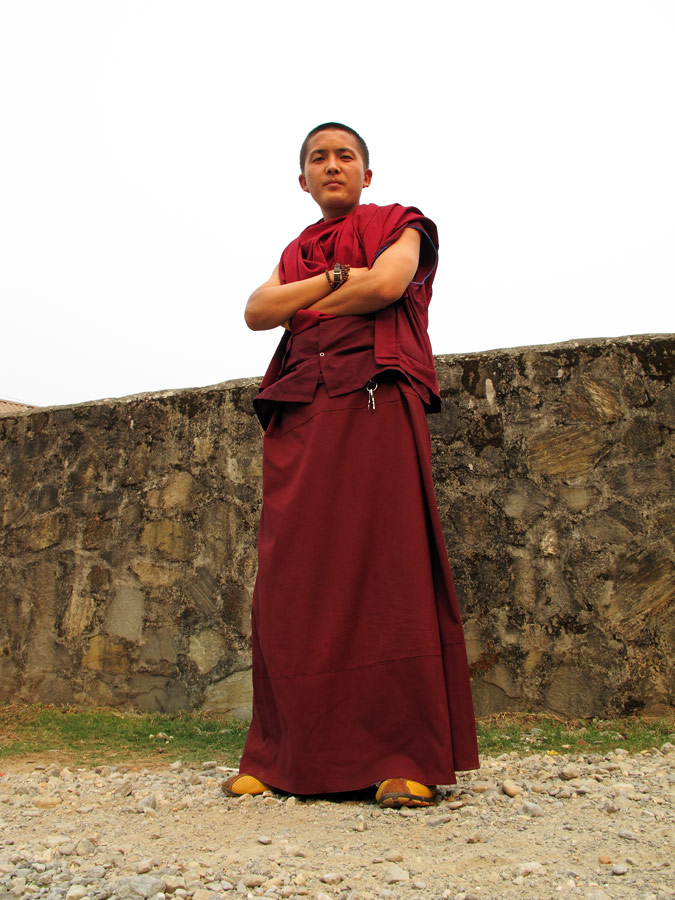
Student from a Tibetan monastery.
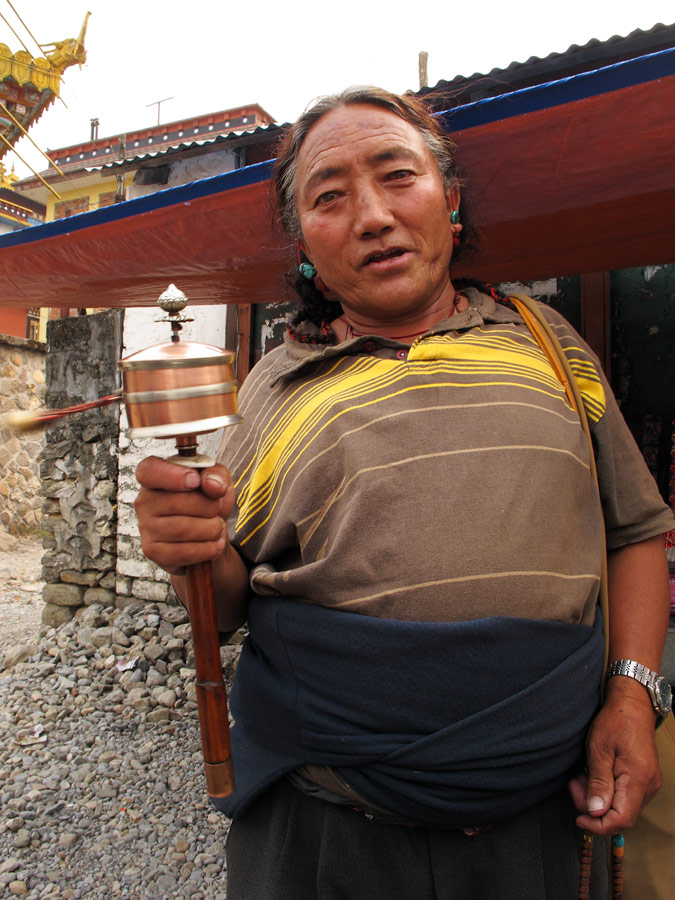
Buddhist with a prayer wheel.
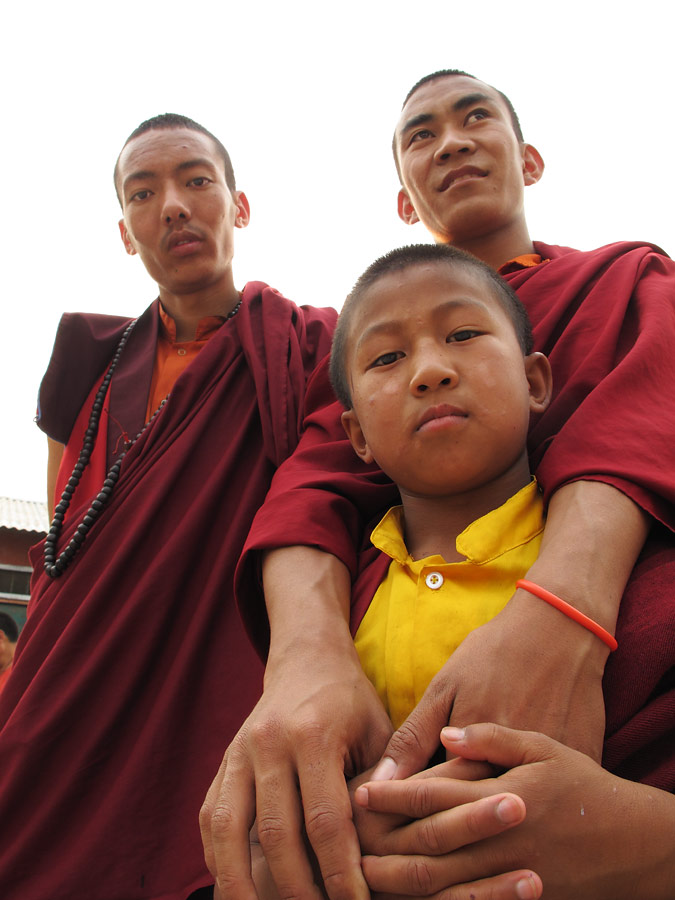
Students of Tibetan Buddhism.
While in Pokhara we were lucky to meet Simon and Lisa Thomas. As one would expect, they have tonnes of stories to share, on the road for almost 8 years now!

With Simon & Lisa.
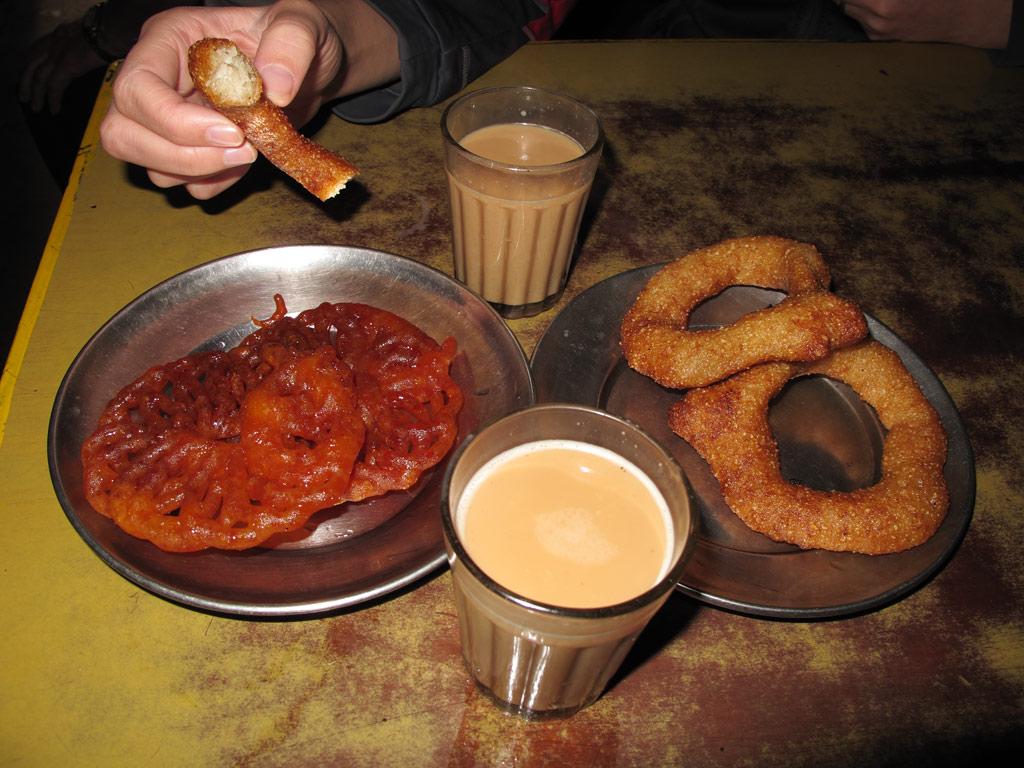
But a couple of words about the food as well. The local breakfast that we got used to normally consists of milk tea and some greasy snack, like doughnut or something similar. The more intense snacks are dipped into syrup which makes them very, very sweet.
The local variety of steamed dumplings, called "momos", is simply delicious. I mean, we eat dumplings (Russian style) back at home, but the flavours are completely different.

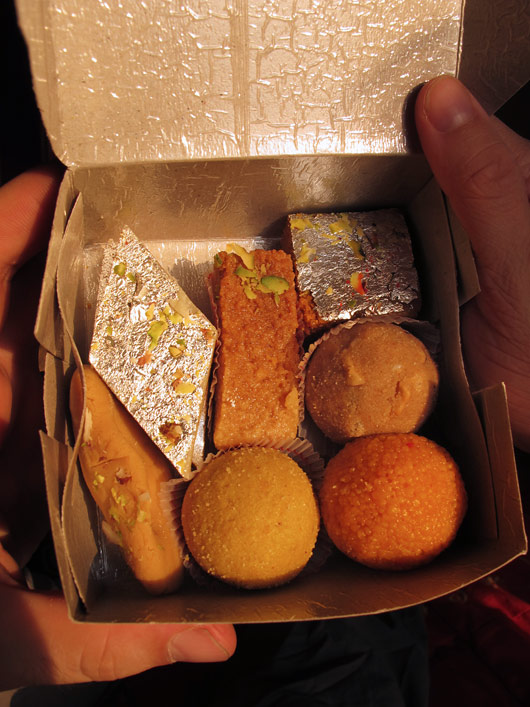
And something for those with a sweet tooth… God knows what exactly are they made of, but those sweets (available in numerous sweets' shops) taste great. Imagine the creamy taste of milk, caramelized sugar and a hint of sandalwood incense, and all that decorated with shredded pistachios and edible silver… A royal treat!
Nex stop: the weird and the wonderful India!
At the same time it basically lacks the modernity of much of the world. You could get lost for hours walking the narrow streets, contemplating the fine woodcarvings on the windows and doors, and discover ancient courtyards dotted with shrines and statues of Hindu deities. Just as if time had stopped a long time ago. In some sense it actually is, because there are not many capital cities in the world where electricity is only present for half a day at most, and every day at different time.

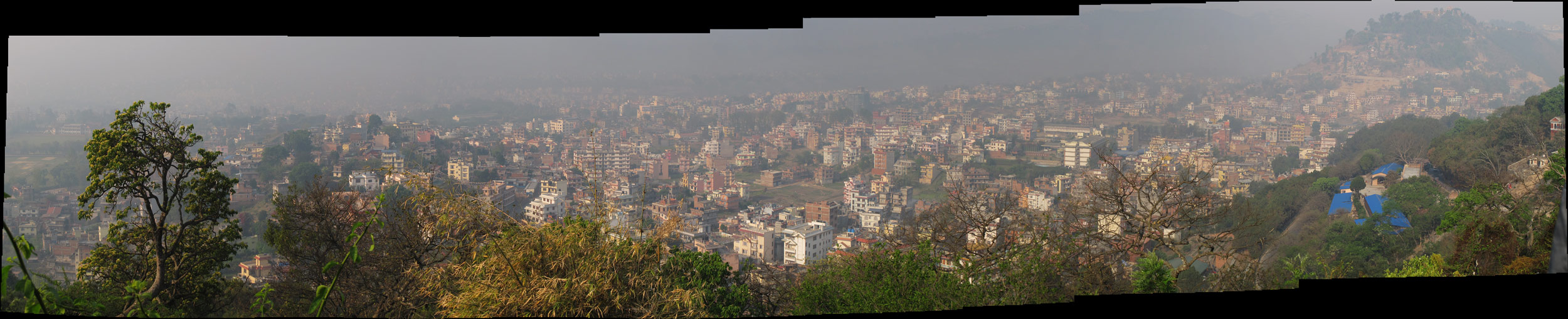
Kathmandu panoramas - click to enlarge each one.
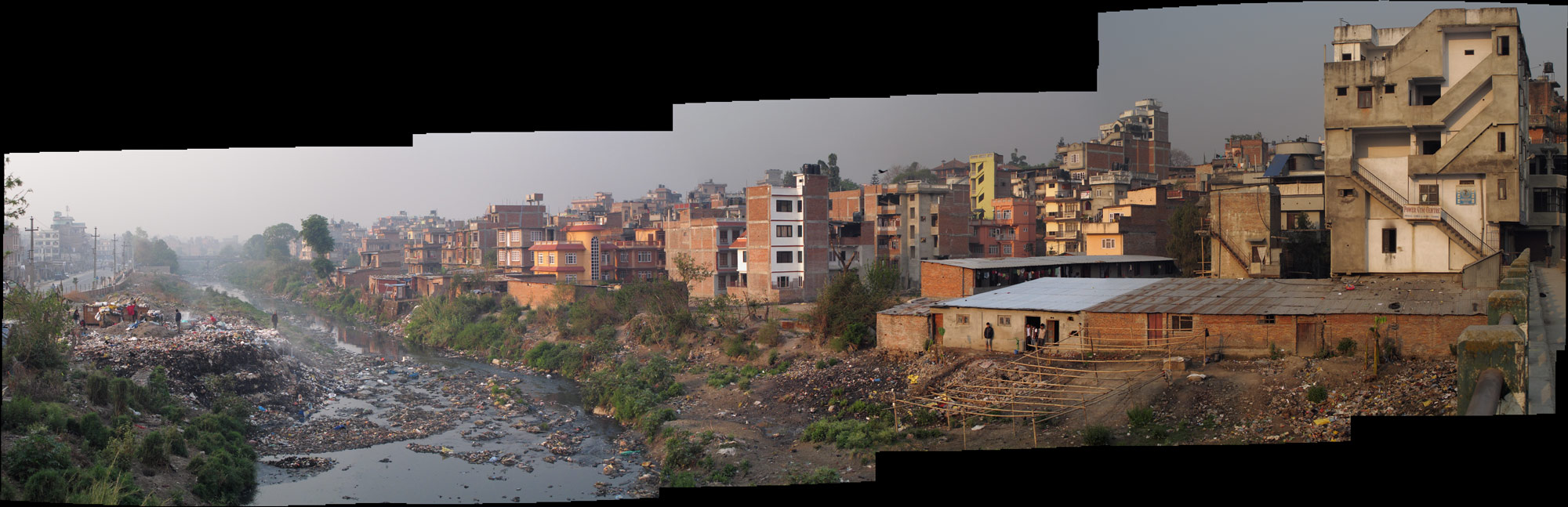
Rubbish in the river and all the city's sewage flows into the same river.

Kids playing football in Kathmandu.
Kathmandu architecture.
Loads of pigeons in Kathmandu.
They get fed by people to bring them luck.
.::LISTEN::.
And the bastid' poo'd on me!
Kathmandu streets.
Decently coloured dresses on women.
The city sounds .::LISTEN::.
Salesman.
Drinking tea in a chilly morning.
Most of transport is still bone powered - keeps your helth and stamina good.
Local taximan.
A nepalese girl.
A woman.
Kathmandu streets...
Candle maker.
Home's door.
Bringing stuff to the market.
Selling green stuff with the best smile on the planet Earth (the left one)
Oriental blankets.
Colourful offerings for the Gods.
Preparing his stuff for sale.
Kathmandu streets.
A home in Kathmandu.
Butcher.
Drum factory.
Nepalese woman in traditional dress.
Staring our of traditional house - excellent wood carving craftmaniship.
Nepalese woman with a child.
Men bringing their goods to the market.
Women doing their laudry in a special water tank.
Traditional dresses.
Warming under the chilly morning's first sun.
A Nepali elderly.
Children in Kathmandu's slum.
Apple seller.
Another salesman.
Nepalese woman.
And an artistic piece I created to represent Kathmandu's multiversum as I see it - crowded, noisy, smelly but utterly attractive at the same time (click to enlarge).
Kathmandu is also a very spiritual city. Officially, most of the people in Nepal are Hindus, but in fact, it is quite difficult to make a distinction between Hinduism and Buddhism in Nepal, partly because many of local Buddhists visit Hindu temples, and vice versa. Buddhism is not so much a religion anyway, rather a philosophy or a moral code, so the subject "religion in Nepal" is really rather complicated.
Still one can sense immediately that the air is filled with religion and spirituality. Not only because there are so many temples and shrines to stumble upon, but because the life here is soaked with religion. Even the Nepalese greeting - namaste - literally means "I greet the divine in you". You do not even need a day to notice holy cows walking on the street (and killing one can get you behind bars for some two years or so), doors adorned with fine carvings depicting Hindu gods, someone getting a ritual haircut by the temple, and to be approached by a colourful "holy man" expecting a tip for him posing for a photo.
Here is a sound recording of a priest singing and wiping dust off the steps of a small temple:
.::LISTEN::.
Sutpa of the Swayambhunath temple.
Stupa.
A large group of people were singing and playing instruments by a Tibetan Buddhist temple of Swayambhunath.
.::LISTEN::.
The stupa of Bodhnath - the biggest Tibetan Buddhist stupa outside Tibet.
At Bodhnath.
A monk giving his prayers in a musical/spiritual way:
.::LISTEN::.
The temple of Changu Narayan in Kathmandu valley - yes, it's UNESCO specced.
Changu Narayan composite picture - click to enlarge.
Home's door having Hinduist gods carved in it, to protect, to bring wisdom and to bring luck to the family.
A holy cow in a temple.
Shoe guard in front of the temple.
A vivid Holy Man of Nepal.
Blessing from the Holy Man.
Kathmandu center.
Ritual hair cut in the temple.
Holy Man.
Macaque in the temple complex.
Holy Men and our holy BMW GS, may they both be blessed.
There is something romantic about religion and rituals - perhaps because they have a story, a reason behind them. One of the most beautiful elements we found there are the prayer flags and prayer wheels originating from Tibet.
We had seen them in pictures and movies about the Himalayas, but it is here that we learned more about the colourful pieces of cloth attached to the mountain temples. Of course, these are not simple pieces of cloth, but they depict important symbols and mantras of Buddhism, and of course, they should be hung in a specific order (blue, white, red, green and yellow - standing for the void, air, fire, water and earth respectively). It is thought that the wind carries the mantras and thus the good will to the people and the land, so it is important to choose a sunny and windy day for hanging the flags. In time, the mantras fade due to the elements - the sun and the wind, and become part of the Universe. the old prayer flags are burnt and replaced by new ones on the Tibetan New Year.
(click to enlarge)
(click to enlarge)
The prayer wheels seem to have a similar function to that of the flags, carrying one specific mantra in Sanskrit: Om Mani Padme Hum. Spinning the wheels is thought to have the same effect as verbally reciting the mantra.
A big prayer wheel.
The overwhelming spirituality is quite different from the one that we are used to in the Christian, or even Muslim world, where most of worshipping happens in churches and mosques. Here, the religious energy is scattered around the people and the city, and is very much a part of everyday life.
Here's a little slideshow how a haircut, beard shave and massage is done in Kathmandu style: with scissors only, since there's no electricity.
Getting ready in a rather smallish barber's room.
Hindu rethorics in reflection with a strange barber's bottle - perfume?
After amazingly quick work with scissors only on my hair, it was time to lose some moustache.
You just can't believe how stunningly precise and quick the guy was with bare scissors. Even hi-teched western barbers with their fancy electronic gizmos don't compare.
He gave me some shave as well.
And last but not least - a proper head massage in Nepal way!
<object width="640" height="505"><param name="movie" value="http://www.youtube.com/v/GvW4lA-ZTsE&hl=en_US&fs=1&"></param><param name="allowFullScreen" value="true"></param><param name="allowscriptaccess" value="always"></param><embed src="http://www.youtube.com/v/GvW4lA-ZTsE&hl=en_US&fs=1&" type="application/x-shockwave-flash" allowscriptaccess="always" allowfullscreen="true" width="640" height="505"></embed></object>
...did you hear the crack? :huh
But fortunately, I survived.
A kid walking down from the roof of a house in Kathmandu
We only spent a short time in Nepal, but already we felt at home. We learned to love the local food (especially some of it), we learned about Tibetan Buddhism.
We really wanted to see the Himalayas (and normally it should be possible from certain points reachable by motorized vehicles, not only on a trek), but the smog was so impenetrable that one could barely see a couple of kilometres away. Even in Pokhara, the town famed for its views of the nearby Annapurna range, we could not see even a tiniest hint of the great mountains.
Lake in Pokhara.
These are just some hills, the real stuff should be right behind them. So much of the Nepalese trademark!
Somewhat disappointed, we toured around some villages and got acquainted with the local life and people.
Nepalese village houses.
People of the rural Nepal.
GS and Indian TATA trucks - far relatives?
TATAs.
Macaque near Kathmandu.
Women going to work into the mountains.
Terraces in the mountains.

Mountanous landscapes of Nepal (click to enlarge panoramas)

One of the more memorable experiences was a visit to a Tibetan refugee settlement near Pokhara, where I chatted with the young monks (who, surprisingly, spoke good English). The people looked different there, slightly like Mongolians. We also observed the daily religious ceremony in the settlement's temple, the sound of which was truly spiritual. Just listen to those horns!
.::LISTEN 1::.
.::LISTEN 2::.
A woman with a prayer wheel.
Student from a Tibetan monastery.
Buddhist with a prayer wheel.
Students of Tibetan Buddhism.
While in Pokhara we were lucky to meet Simon and Lisa Thomas. As one would expect, they have tonnes of stories to share, on the road for almost 8 years now!
With Simon & Lisa.
But a couple of words about the food as well. The local breakfast that we got used to normally consists of milk tea and some greasy snack, like doughnut or something similar. The more intense snacks are dipped into syrup which makes them very, very sweet.
The local variety of steamed dumplings, called "momos", is simply delicious. I mean, we eat dumplings (Russian style) back at home, but the flavours are completely different.
And something for those with a sweet tooth… God knows what exactly are they made of, but those sweets (available in numerous sweets' shops) taste great. Imagine the creamy taste of milk, caramelized sugar and a hint of sandalwood incense, and all that decorated with shredded pistachios and edible silver… A royal treat!
Nex stop: the weird and the wonderful India!





