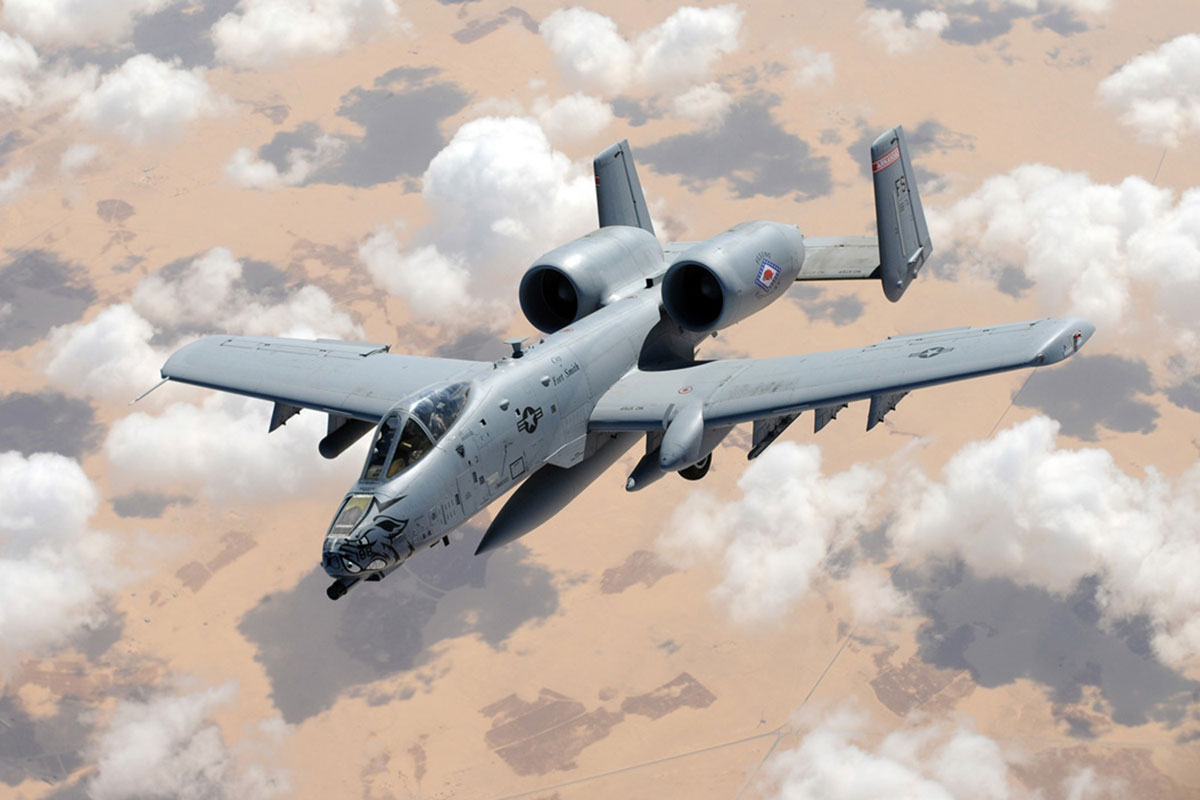
Those of you who grew up in the 70's, 80's and (possibly) even the 90's in the UK (don't know so much about other countries) will remember the game Top Trumps. I'm not sure there was ever one about bikes but I had one about military aircraft (the most popular). There were sports car ones and all sorts as well.
The idea was to find an attribute or specification on your card that would "trump" the same attribute on your opponent's card and he (or she.... don't think I ever played TT with a girl but I'm sure most of you have sisters) would hand over the card to you if your spec was higher (or in some cases even lower if it was a better thing to have).
If you had the SR 71 card you could not be trumped on speed or ceiling and you always knew the round was yours if you were choosing because you would always name these specs, but you could lose the card if your opponent chose payload, wingspan or range for instance.
The GS isn't the SR 71. I don't know what the GS equivalent would be, TBH.
You can't get two things more different than military aircraft and motorbikes but marketing has a little of TT in it. BMW don't need to endow the GS with the highest HP, or Ohlïns suspension. Conversely, if they did increase the HP to match that of the 1290, they might well have to put Ohlïns on it to handle the performance. But they know full well that the majority of the people who buy motorbikes (50,000 sold in 2017 in GS 1200 alone), don't want 160hp, they don't need it; they don't need SS suspension. They have a S1000XR for that, or a S1000RR if they want more than 160hp. (in BMW form)
What BMW do is aim for that very wide spectrum of bikers who are quite happy not to have the most of anything but a great deal of everything. Most of us don't envisage breaking speed limits on windy roads in Wales or the Picos when we buy a motorbike, but they know they can on a GS if they want to. Neither do they necessarily envisage going off road very often, but they know that with a little practice and possibly training, they would be able to on a GS (the rider, not the machine is the limiting factor, right?). It doesn't have major reliability issues and has proven itself, and continues to prove itself the favoured steed of many RTW and other long distance adventurists, with or without support. It's also favoured by many other bikers with a rainbow of different needs. Why? Because it covers all those needs and more......more than adequately for the average rider's needs.
The other reason that they choose the GS above others is depreciation. Lots of talk on here about the Tiger 1200. Lovely bike, with many great features and a close contender for the GS crown, for sure. I had an 800 XCx and nearly upgraded but no-one talks of the depreciation of big Tigers. KTM is another one for depreciation. With the (possible) exception of the 990 and some of the lower cc A2 capable machines sought after by young new riders, big bad KTM's depreciate quite a lot in comparison to a GS. In the UK the depreciation is much higher than in, say Spain, where I'm seeing 3 year old GS's for €16,000!!! They only cost €18,000+ (with toys) new in 2015! but they still hold their price pretty well compared to many other bikes and yet they are (supposedly) the most abundant. Go figure.

The 1250 isn't supposed to be a radically new bike. It's a reworked formula (necessary for Euro 6 compliance) that's not perfect (but is for some, as I said), but it tries not to play too much with an existing formula that has been extremely lucrative for BMW Motorrad for many years. It doesn't pretend to be radical or new either, but BMW know full well that many on maturing PCP deals will trade in for the new ones because it has "enough" stuff different that was unavailable to them on their 2015/16 models; TFT, rider modes, as well as other options which don't spring to mind because I didn't have the earlier model.
It's just enough to keep them coming back without spending a fortune on re-design. That's business and who can argue with Motorrad's business model?





 . I asked you (and the boys) what you thought, and you knew early on I'd go for the GS. You said yourself, It's a great bike (sorry, your secret's out) and that it was probably the bike for me.




