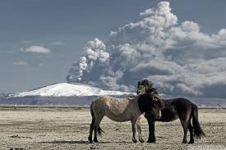
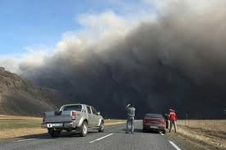
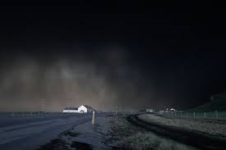
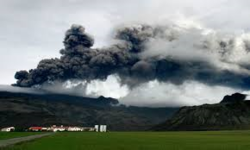
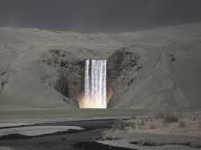
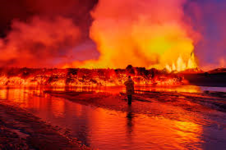
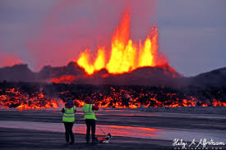
These are some pictures of the 2011 eruption near my friends farm www.thorvaldseyri.is These pictures aren't mine as I was there a few weeks later but you get the idea of what a volcanic eruption is like!
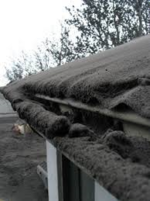
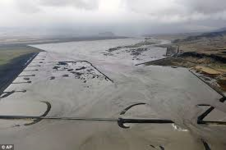
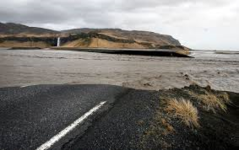
After the eruption there was a massive Jokullaup or glacial flood which destroyed the ringroad at Selljallandsfoss or at least would have if a local digger driver hadn't dug the road away to let the flood water go and save the bridge.............The ashfall in the surrounding area was pretty devastating aswell and all the livestock and some of the people had to be evacuated aswell!
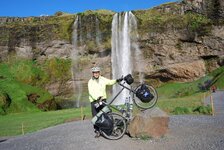
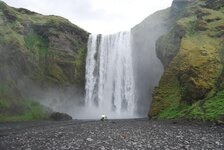
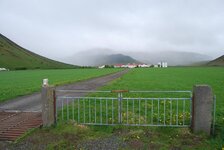
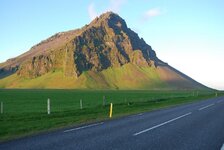
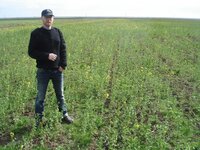
This is what its like when I cycled through the area last May and the crops at my friends farm Thorvladseyri have recovered and if anything they're even better than before...........The landcape is much greener and greyer than it was and most of the ashfall has either blown away, been buried under the snow or been incorporated into the soil!
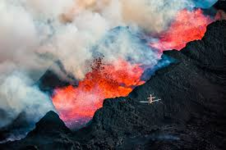
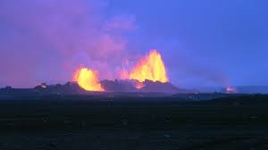
Its not all quiet in Iceland at the moment though as the new volcano at Holuhraun north of Vatnajokull is currently erupting and releasing massive amounts of SO2 into the atmosphere aswell as creating a huge lava flow................So watch this space and there's better time to visit Iceland than when there's a volcano erupting in the distance. Just don't get too close!
The lava field from this currently erupting volcano is huge............Again these are library pictures but I hope to get a sight seeing flight out to see this eruption from Akureyri in north Iceland in late May/early June if its still erupting and the weather allows!
Yes, I'd love to get to Askja but I'd need a snowmobile when I go in May..................£167 return with Icelandair at the moment from Glasgow and 200 ISK-£1
Talking about volcanic ash, I've hear it is full of nutrients and replenishes worn out? soil, if true then although they may have suffered initially, your farmer friend will benefit for years to come.
Talking about volcanic ash, I've hear it is full of nutrients and replenishes worn out? soil, if true then although they may have suffered initially, your farmer friend will benefit for years to come.
Yes, as long as there isn't too much and fluorine is bad for livestock............We were looking at his grass silage crop just a few weeks after the eruption and the grass was under about 3-4 centimeters of ash and we wondered how to mow the grass without contaminating the crop with ash. He cuts his silage with a front mounted mower and although the crop wasn't great the first year its really improved!
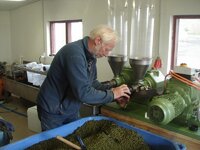
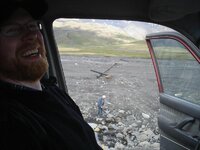
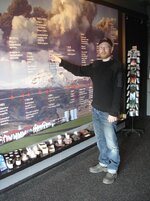
Here's some photos of the farm and the visitor center and the flood damage they suffered. Palli grows oilseed rape which they press into cooking oil, grass and grass silage for his diary cattle and spring barley.
They have both hydro electricity and geothermal hotwater/heating on the farm.







 Liv.
Liv.


