I thought I'd champion the South side of the river for a change.
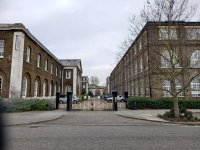
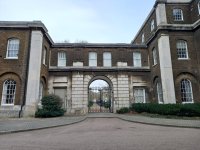
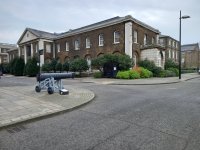
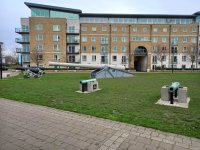
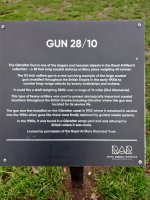
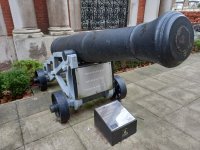
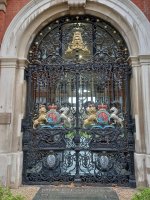
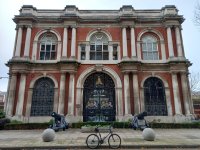
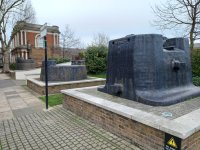
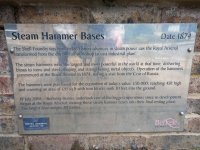
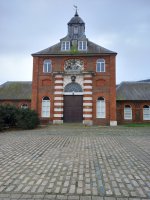
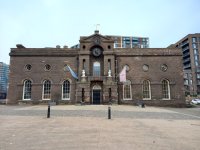
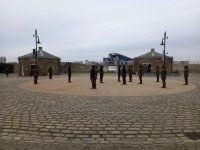
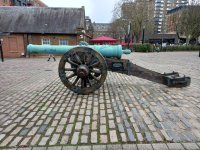
I have concentrated on what was basically a large armaments factory based in Woolwich. When you see photos posted of the City and surrounding areas you must bare in mind the were mostly built for show to impress the public hence the fancy architecture. The buildings I am going to show you were of an area of high security and were only seen by the workforce or distinguished guests, hidden behind a 20' high perimeter wall from the general public. A lot of their work was experimental, Top Secret and vital to military campaigns around the world from the 17th century until 1994 when the military left. The site was huge, all of Thamesmead and Belmarsh prison were built within it's grounds, it had artillery ranges, tank and vehicle testing grounds all out of sight of anyone who didn't work there. My Father in law worked in the drawing office and my Grandma worked making munitions during WWII.
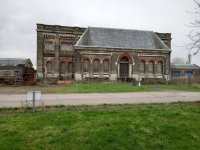
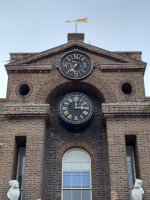
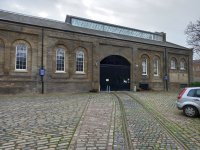
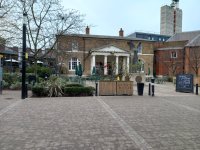
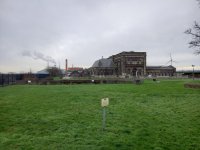
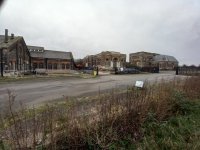
The Royal Arsenal at Woolwich.
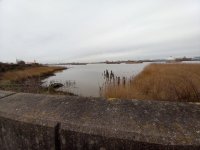
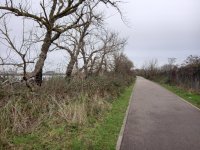
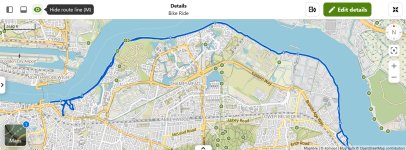
I rode my trusty Raleigh cycle that I bought secondhand about 40 years ago along the Thames Path starting at Erith. The path in this are now largely what is classified as Brown Field sites now but were previously large industrial sites using many docks and wharfs to unload raw materials and export finished goods by the Liquid Highway.
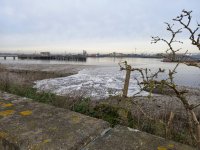
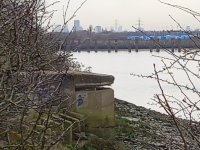
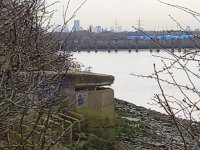
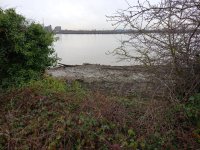
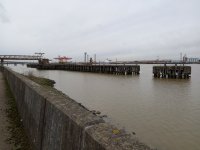
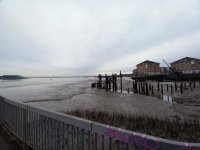
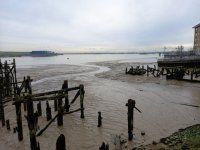
Where I join the path these old jetties that are slowly being consumed by the weather and tides, after winter storms a bit more disappears. I believe they were for loading casting sand onto ships that was quarried about a mile inland. The sand is special and is only found in a few places, it was used to make casting moulds as it binds and holds together under the rigours of metal casting. In the distance you can make out the Queen Elizabeth II bridge part of the Dartford River Crossing.
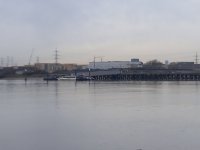
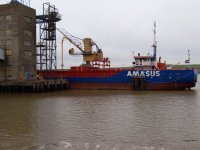
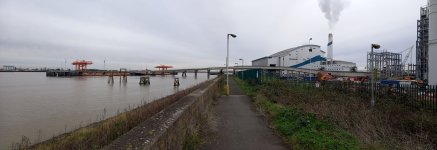
There is one still major manufacturer along this section of river. ADM is the leading processor of rapeseed in Europe either for food stuff for human or animal consumption or for Biofuels. It also processes other grain such a Soya. Ships are unloaded and of their cargo 24 hrs a day. Some of the grain is milled/processed and reloaded onto other ships and transported to our other parts of the world, the Dutch boat in the picture was being loaded. There is also a bottling plant on site so if you cook with oil there's a good chance the oil came from here, it is the largest combinable crop processing plant in the country.
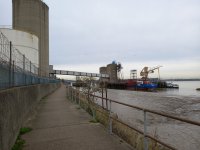
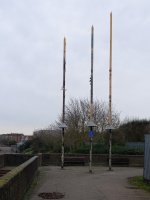
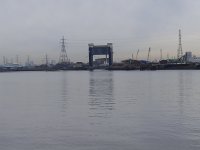
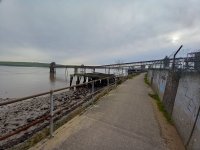
Another large industry that wasn't far from this factory was British Insulated Callender's Cables.BICC made cables and were instrumental in the formation of the National Grid supplying large high tension cables. The factory were taken over by Pirrelli a few years ago and the area was dominated by a large tower emblazoned with a huge illuminated Pirrelli sign that could be seen for miles. All that's left now is the loading dock/gantry. Large ships would dock and depending on what the cable was for would either wind below deck or on load cable laying ships with huge drums mounted on the bow. The cable was continuous, how? I hear you ask, the whole factory was a huge conveyor belt, raw materials were put in at one end other bits added along the route then covered in the insulation layer, it slowly snaked out of the factory hot, cooling down on the way, around the factory, over the path along the dock and then onto the ship. Clever huh? Here's what's left of the loading area.
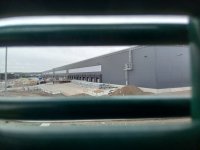
There were loads of small yards and industrial warehouses slotted in between the large factories most have now gone and are being replaced by large distribution centres for the supermarkets. Being relatively close to the M25 with a good road network companies like Tesco, Lidl etc have built large hub/warehouses the one I photographed, through a meshed fence, is still being constructed. About 6 months ago there was what looked like a perfectly good building virtually exactly the same as the new one built about 5 years before, it must be cheaper to demolish and rebuild, including all the groundworks, than modify existing buildings.
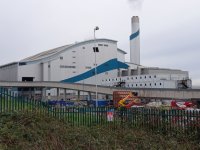
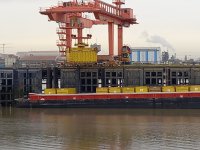
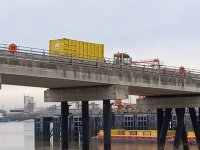
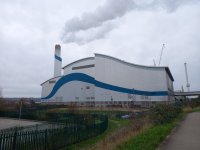
On one of Wapping's Wander I remember him saying about barges carrying containerised waste being taken down river to who knows where? Well here's the answer. This is the waste incinerator plant for London's rubbish. The barges are towed down and parked around the jetty, the crane lifts them onto shuttle trucks then they are driven into the building tip their load which is then burnt. The heat is used to generate electricity which is fed into the national grid. The ash is sieved to reclaim metals and the rest is loaded back into containers to be taken downstream to Tilbury to be incorporated into aggregate for road building. The empties are then taken back upstream to be filled again. There are two colours of container Blue and Yellow, the yellows vastly outnumber the blues so I presume the blues contain clinical or toxic waste and are processed differently?
As I go along this route regularly I often take a pair of binoculars to look at the birds along the river, on this side of the building there are a couple of Peregrine Falcons that nest on a ledge near the chimney. I've got some good photos but they are still in the camera.
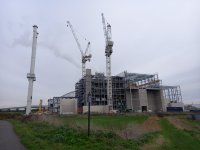
They are building another what I presume is another incinerator next door that is causing a bit of controversy as it's encroaching ona nature reserve.
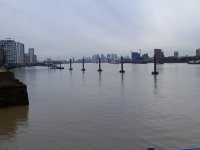
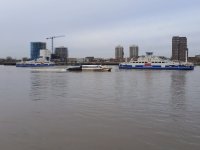
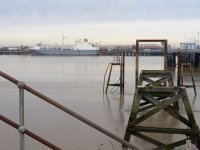
Straight across the river from here is Ford's Dagenham plant. I don't think they make vehicles here anymore but they do make engines. They have quite a few of these transporter ships mooring here throughout the week they bring vehicles from Europe and presume send engines back. My dad got made redundant from a printing department of another cable manufacturer in Charlton and worked at Fords for a few months. The structures in the foreground are the remains of the landing stage for the employee's ferry service from this side of the river, it used to terrify my old Dad in the middle of a gale in winter going to a night shift, so much so that he wouldn't wear his issued steel toe capped boots in fear of ending up in the river.
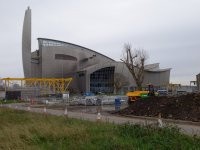
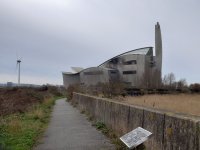
The next building we come to is another incinerator, this one burns human waste it's the sewage incinerator. This building burns the sludge leftover from the sewage treatment works at Crossness. The sewage works are huge and treat most of South London's sewage, there is a sister works across the river at Becton that handles the North London sewage. The building when first built was made of polished aluminium panels that could be seen for miles gleaming in the sunshine and was revolutionary of it's time now it's looking slightly disheveled, it would probably cost a fortune in man hours and Solvol to bring it back to it's original state. The wind turbine is in the nature reserve I was talking about previously.
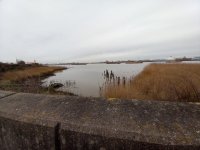
This part of the riverbank is covered in reeds and along with the sewage outlet is a prime bird spotting area, you have to put the effort in to get here on foot though, there's no parking for miles.
I've reached my limit and I'm still about 6 miles from my destination, I'll be back....
I have concentrated on what was basically a large armaments factory based in Woolwich. When you see photos posted of the City and surrounding areas you must bare in mind the were mostly built for show to impress the public hence the fancy architecture. The buildings I am going to show you were of an area of high security and were only seen by the workforce or distinguished guests, hidden behind a 20' high perimeter wall from the general public. A lot of their work was experimental, Top Secret and vital to military campaigns around the world from the 17th century until 1994 when the military left. The site was huge, all of Thamesmead and Belmarsh prison were built within it's grounds, it had artillery ranges, tank and vehicle testing grounds all out of sight of anyone who didn't work there. My Father in law worked in the drawing office and my Grandma worked making munitions during WWII.
The Royal Arsenal at Woolwich.
I rode my trusty Raleigh cycle that I bought secondhand about 40 years ago along the Thames Path starting at Erith. The path in this are now largely what is classified as Brown Field sites now but were previously large industrial sites using many docks and wharfs to unload raw materials and export finished goods by the Liquid Highway.
Where I join the path these old jetties that are slowly being consumed by the weather and tides, after winter storms a bit more disappears. I believe they were for loading casting sand onto ships that was quarried about a mile inland. The sand is special and is only found in a few places, it was used to make casting moulds as it binds and holds together under the rigours of metal casting. In the distance you can make out the Queen Elizabeth II bridge part of the Dartford River Crossing.
There is one still major manufacturer along this section of river. ADM is the leading processor of rapeseed in Europe either for food stuff for human or animal consumption or for Biofuels. It also processes other grain such a Soya. Ships are unloaded and of their cargo 24 hrs a day. Some of the grain is milled/processed and reloaded onto other ships and transported to our other parts of the world, the Dutch boat in the picture was being loaded. There is also a bottling plant on site so if you cook with oil there's a good chance the oil came from here, it is the largest combinable crop processing plant in the country.
Another large industry that wasn't far from this factory was British Insulated Callender's Cables.BICC made cables and were instrumental in the formation of the National Grid supplying large high tension cables. The factory were taken over by Pirrelli a few years ago and the area was dominated by a large tower emblazoned with a huge illuminated Pirrelli sign that could be seen for miles. All that's left now is the loading dock/gantry. Large ships would dock and depending on what the cable was for would either wind below deck or on load cable laying ships with huge drums mounted on the bow. The cable was continuous, how? I hear you ask, the whole factory was a huge conveyor belt, raw materials were put in at one end other bits added along the route then covered in the insulation layer, it slowly snaked out of the factory hot, cooling down on the way, around the factory, over the path along the dock and then onto the ship. Clever huh? Here's what's left of the loading area.
There were loads of small yards and industrial warehouses slotted in between the large factories most have now gone and are being replaced by large distribution centres for the supermarkets. Being relatively close to the M25 with a good road network companies like Tesco, Lidl etc have built large hub/warehouses the one I photographed, through a meshed fence, is still being constructed. About 6 months ago there was what looked like a perfectly good building virtually exactly the same as the new one built about 5 years before, it must be cheaper to demolish and rebuild, including all the groundworks, than modify existing buildings.
On one of Wapping's Wander I remember him saying about barges carrying containerised waste being taken down river to who knows where? Well here's the answer. This is the waste incinerator plant for London's rubbish. The barges are towed down and parked around the jetty, the crane lifts them onto shuttle trucks then they are driven into the building tip their load which is then burnt. The heat is used to generate electricity which is fed into the national grid. The ash is sieved to reclaim metals and the rest is loaded back into containers to be taken downstream to Tilbury to be incorporated into aggregate for road building. The empties are then taken back upstream to be filled again. There are two colours of container Blue and Yellow, the yellows vastly outnumber the blues so I presume the blues contain clinical or toxic waste and are processed differently?
As I go along this route regularly I often take a pair of binoculars to look at the birds along the river, on this side of the building there are a couple of Peregrine Falcons that nest on a ledge near the chimney. I've got some good photos but they are still in the camera.
They are building another what I presume is another incinerator next door that is causing a bit of controversy as it's encroaching ona nature reserve.
Straight across the river from here is Ford's Dagenham plant. I don't think they make vehicles here anymore but they do make engines. They have quite a few of these transporter ships mooring here throughout the week they bring vehicles from Europe and presume send engines back. My dad got made redundant from a printing department of another cable manufacturer in Charlton and worked at Fords for a few months. The structures in the foreground are the remains of the landing stage for the employee's ferry service from this side of the river, it used to terrify my old Dad in the middle of a gale in winter going to a night shift, so much so that he wouldn't wear his issued steel toe capped boots in fear of ending up in the river.
The next building we come to is another incinerator, this one burns human waste it's the sewage incinerator. This building burns the sludge leftover from the sewage treatment works at Crossness. The sewage works are huge and treat most of South London's sewage, there is a sister works across the river at Becton that handles the North London sewage. The building when first built was made of polished aluminium panels that could be seen for miles gleaming in the sunshine and was revolutionary of it's time now it's looking slightly disheveled, it would probably cost a fortune in man hours and Solvol to bring it back to it's original state. The wind turbine is in the nature reserve I was talking about previously.
This part of the riverbank is covered in reeds and along with the sewage outlet is a prime bird spotting area, you have to put the effort in to get here on foot though, there's no parking for miles.
I've reached my limit and I'm still about 6 miles from my destination, I'll be back....