Museum of Docklands

Wapping

Well-known member
Moderator
Joined
Oct 21, 2005
Messages
92,078
Reaction score
17,761
Location
Wapping, London
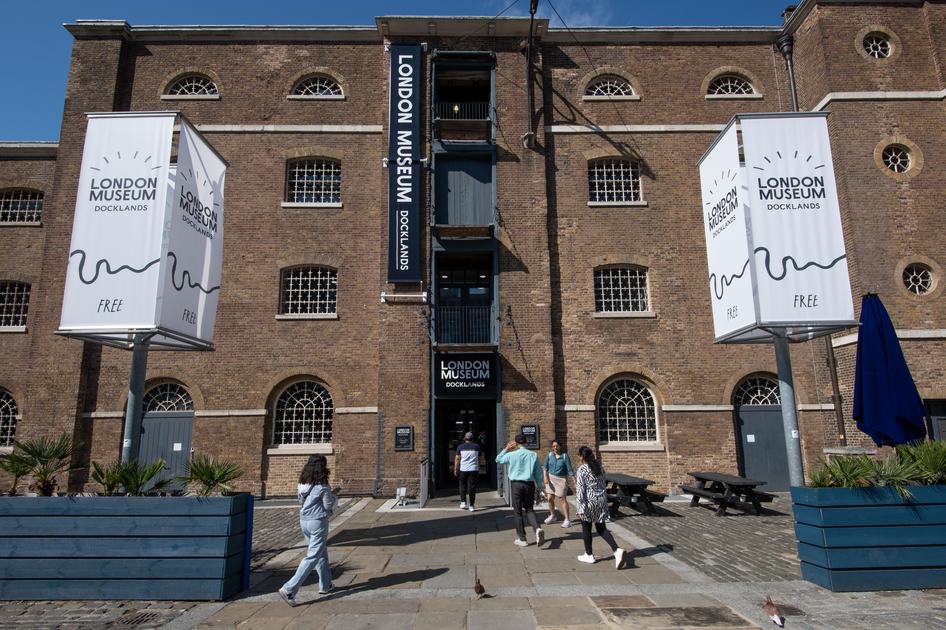
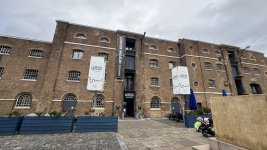
I haven’t been here for umpteen years, so I thought it was worth a return.

It really is very good.

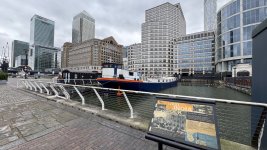
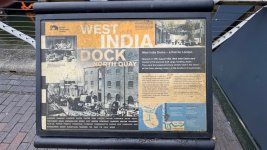
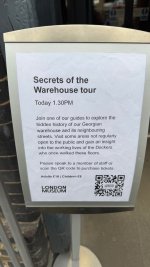
It’s free to visit but I bought a guided £8 tour, telling me how the enormous West India dock and its continuous line of contiguous warehouses (about 3/4 of a mile long) came about, how and why it was built, how it functioned, right through to its final closure in 1980.

As its name suggests, it was owned by the West India Company, specialising in the importation of sugar and tobacco….. and all but owning the ‘Slave Triangle’…. generating millions upon millions of pounds in profits. Leaving aside the slave trade, the same owners ran the dockside labourers in a form of slavery, too.

As I was the only bod on the tour, it was very good value.

Highly recommended.
IMG_9785.jpeg

Not far from the equally excellent Grapes pub, either:
IMG_9789.jpegIMG_9726.jpeg

 
I haven’t been here for umpteen years, so I thought it was worth a return.

It really is very good.

It’s free to visit but I bought a guided £8 tour, telling me how the enormous West India dock and its continuous line of contiguous warehouses (about 3/4 of a mile long) came about, how and why it was built, how it functioned, right through to its final closure in 1980.

As its name suggests, it was owned by the West India Company, specialising in the importation of sugar and tobacco….. and all but owning the ‘Slave Triangle’…. generating millions upon millions of pounds in profits. Leaving aside the slave trade, the same owners ran the dockside labourers in a form of slavery, too.

As I was the only bod on the tour, it was very good value.

Highly recommended.

View attachment 382799

Not far from the equally excellent Grapes pub, either:
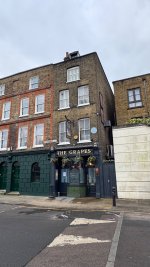
View attachment 382800View attachment 382801

I visited it before our recent dinner meeting and also really enjoyed it and recommend it.
 
maybe a combined South East meet up. The museum is very good and there are a number of food establishments close by i.e. next door......- one German establishment - The Munich Cricket club, don't ask me about the name.....decent beer as well......and a Spoons :eek::eek::eek:
 
We are having a family trip to London next month and this is on our list for a visit - looking forward to it.

We did the National maritime Museum last time and that was amazing.
 
Sounds like a plan on a wet Saturday, living just outside the metropolis, unlike my sister, I am not eligible for free non bus travel so it's going to cost me £1.90 on the Elizabeth Line to get there, blessed cheek...
 
Sounds like a plan on a wet Saturday, living just outside the metropolis, unlike my sister, I am not eligible for free non bus travel so it's going to cost me £1.90 on the Elizabeth Line to get there, blessed cheek...
PM me your email and I'll PayPal you the £1.90 if you're that skint :thumby:

:beerjug:
 
PM me your email and I'll PayPal you the £1.90 if you're that skint :thumby:

:beerjug:
This £1.90 fare is to be paid by a refund I received from TFL last month. During a visit to an aunt, last June, the return bus trip was unexpectedly diverted from its original destination of the Woolwich Ferry and terminated at City Airport about a mile from the ferry. I could've walked I suppose but I took the DLR to Woolwich Arsenal costing me the aforementioned £1.90. I complained about this extra cost on a trip that should have been free to me being subsidised by Kent County Council, unfortunately this was during the time of the hacking of the TFL payment system and they wouldn't refund any over charges until the system was secured. I decided to chase it up over Christmas and fair play to TFL they reimbursed me the fare in January.

Now it's going to cost me £1.90 to get back unless I use the bus but that would add about an hour on the journey, having to go through the Black wall Tunnel, so I might be open to a crowd funding scheme.
 
  • Haha
Reactions: SBD
This £1.90 fare is to be paid by a refund I received from TFL last month. During a visit to an aunt, last June, the return bus trip was unexpectedly diverted from its original destination of the Woolwich Ferry and terminated at City Airport about a mile from the ferry. I could've walked I suppose but I took the DLR to Woolwich Arsenal costing me the aforementioned £1.90. I complained about this extra cost on a trip that should have been free to me being subsidised by Kent County Council, unfortunately this was during the time of the hacking of the TFL payment system and they wouldn't refund any over charges until the system was secured. I decided to chase it up over Christmas and fair play to TFL they reimbursed me the fare in January.

Now it's going to cost me £1.90 to get back unless I use the bus but that would add about an hour on the journey, having to go through the Black wall Tunnel, so I might be open to a crowd funding scheme.

I can send you my London bus pass to use and save you the £1.90, if you cover the £5.60 tube fare I’ll have to pay
 
I can send you my London bus pass to use and save you the £1.90, if you cover the £5.60 tube fare I’ll have to pay
I could use the brother in law's, we look a bit similar grey hair, beard and if the tfl barrier workers think "we all look the same" I'd be alright but he's from Glasgow and I'd rather pay full whack than be mistaken for a scotchman...
 
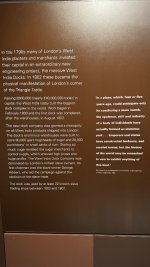
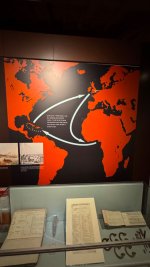
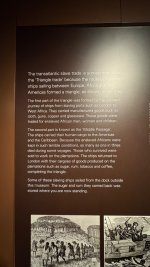
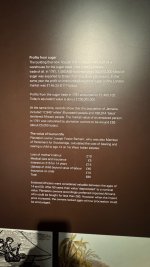
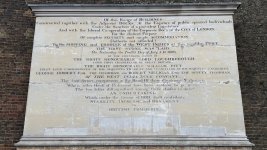
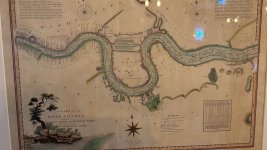
The upper floor of the museum traces the story of why the massive dock was built and how it was funded. In essence, it was to handle the import of goods (predominantly the incredible valuable commodities of sugar, rum, coffee and tobacco) derived from the slave plantations of the Caribbean, the West India Company dominating the so called ‘Slave Triangle’, whereby we would export goods (often guns) to the west coast of Africa, to be bartered in exchange for slaves, which were then shipped to the Caribbean, the same ships returning to England, laden with sugar and other commodities and, importantly, wood. The wood had been stripped from the Caribbean islands (a la Brazilian deforestation today) to clear ground for plantations.

It is easy to say that this was “Nothing to do with us”, but that is a denial and a lie, the evidence is all there. Not least, as like the Nazi party (who shipped multiple thousands to slave for them) the company kept complete and detailed records. Why? Because it was ‘Big business’ and ‘Big business’ represented ‘Big money’ then, just as much as it represents it today. It’s also sobering to consider that, though the largest, this dock and its warehouses was not the only one in the UK. Similar ‘Triangle’ enterprises existed and thrived in all the country’s ports from Bristol to Glasgow.

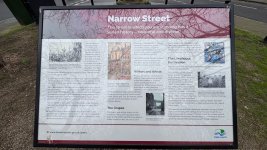
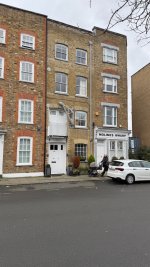
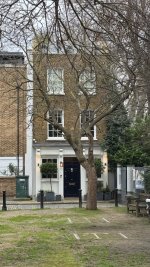
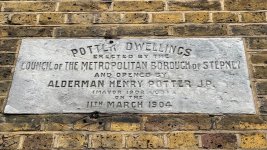
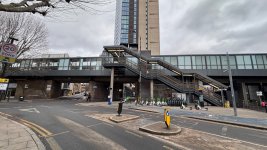
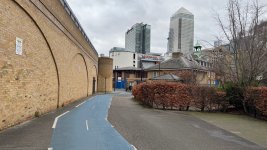
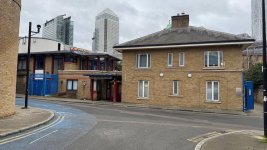
IMG_9780.jpegIMG_9781.jpegIMG_9782.jpegIMG_9783.jpeg

Nothing exists today of the West India Company (nor its namesake, the East India Company) it does make you wonder what will exist of Amazon in 200 years from now.
 
Last edited:
I’ll be returning to the museum at some point, not least as I didn’t manage to see it all.

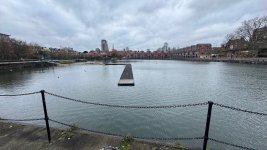
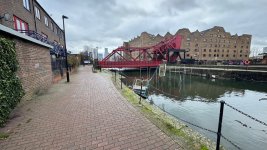
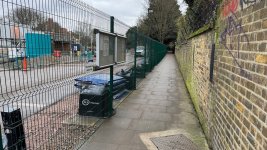
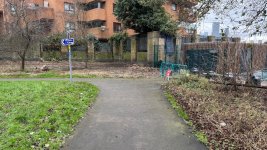
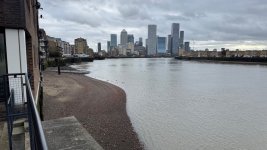
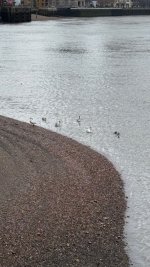
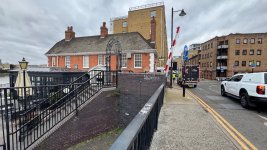
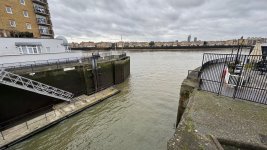
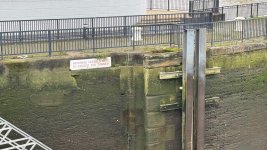
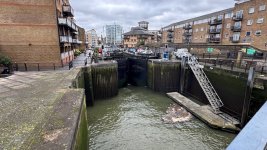
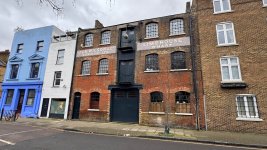
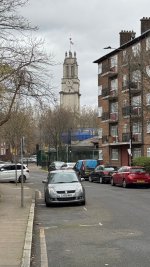
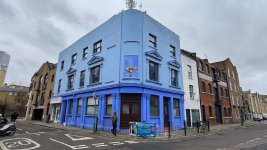
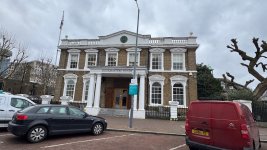
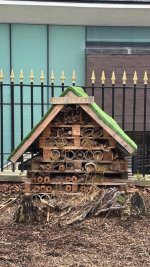
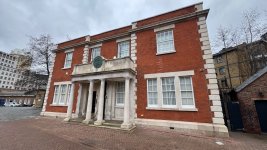
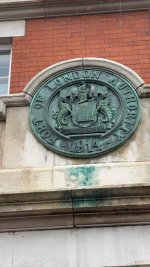
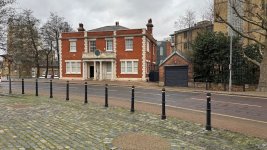
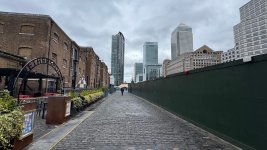
In the meantime, I’ll lob up some snaps of my wander down there.
 
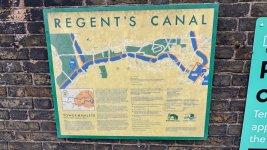
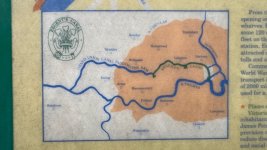
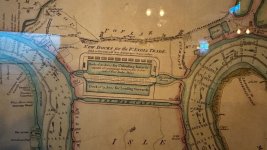
One of the many things I did learn from the guided tour is about the canal that ran under the huge dock, bisecting the large peninsula of the Isle of Dogs.

The canal was dug, owned and operated by a company, completely independent of the West India Company. It went bust.

In theory, a canal makes perfect sense, as it saves sailing ships (entirely dependent on the wind and tides) rounding the peninsula. But it had a simple fault. Canals require locks. Locks and canals are slow; the ships didn’t use it. The West India Company bought the canal in a fire sale and used it for themselves.

IMG_9770.jpegIMG_9773.jpeg
 
Thanks for the pics and descriptions of your "wander" really interesting. I recall going on a primary school trip to the docks incorporating a boat journey through most of them, this must have been between 1958-1962 when they were all working! Somewhat later, early 80's? I tecall using the Dog and Bell pub in Deptford and I thought there were still employees from "the Docks" drinking there then. Cheers :beerjug: JohnB
 
Welcome.

I believe the West India Dock, closed its gates in 1980, the same year that the Long Good Friday film was released. That would tie in with your dates, including the Deptford pub visit. I used to drive in to work each day from Finchley N12 in the mid-80’s and park in Wapping (very roughly where I live now) all day for nothing, before the redevelopment started.

I asked my very knowledgeable host on the museum visit, if she thought that the massive docklands redevelopment had been a success? I think her considered reply was probably correct: Yes, it had plainly brought back to life acres upon acres of what became and remains prime real estate from ‘nothing’. But, Tower Hamlets as a whole remains London’s poorest borough, so little of the wealth generated had benefitted the locals. In a sense, this was no different to when the dock itself, itself founded on slave money, was in operation, as the dock workers themselves were often all but hired daily on a ‘slave like’ basis, enriching the dock owners.

She gave the examples of the bells that were rung, to call prospective workers to the gates and the tokens (or half tokens ie. half a day) issued to allow a worker to enter, along with the importance of belonging to a ‘gang’. If you couldn’t get a token, there was no work. Inevitably, many men went to the umpteen pubs instead, to spend the small amount of money they did have. She also explained that women were paid 1/10th of a man’s wage. A wealthy dock owner announced in parliament that, if he could, he’d employ all women and allow them to work “Up until midnight” as he “Could afford to”. In other words, he’d save a lot of of money. These owners understood slavery, as they grew up with it. There is a real dark side to the history, that co-exists alongside the glory of Britain at the height of Empire. It’s something that I want to read more about.
 
Last edited:
img_9760-jpeg.384171


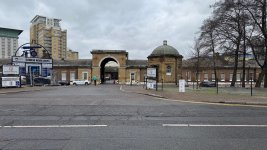
One little fact’ette, I learned was that, prior to the official ‘Docks police’ being established, the West India Dock, employed its own militia. to ‘Keep order’. The round building (there was originally another opposite) was a weapons store where, I think she said, 30 muskets were kept. The other round building (now gone) was where the militia waited, when not on patrol.

The long building behind never had anything to do with cannons, there was simply originally one as an ornament on the roof. It was though very important, as it held the repair yards for equipment used by the dock. In WW2 it also housed anti-aircraft gunners, a Home Guard detachment and other essential workers, the entire docks being a key German target as their bombers navigated up the river.


Back
Top Bottom