


I started many years ago as a climber after being forced into it with my old regiment. I'd always had fear/respect for heights but who'd have thought trying it led me to become a climbing fanatic for many years....roll forward 40 years and now I'm a pretty dedicated hill walker and love nothing better than a few weeks hiking in the Lake District, attempting as many of the Wainwrights as I can before I become too old and infirm! My spinal surgery last year almost put paid to my hiking days but I found that with care, this year I managed to start out gently with local Cotswold walks on my doorstep, perhaps a few miles before the pain became to much, to having just completed 75 tough miles in the Lakes over 10 days walking and haven't looked back. The biggest aid to me were my first use of lightweight walking poles.
It used to be me calling out in a well meaning humour to the bods coming towards me using walking poles "hey mate, you've forgotten your skis!" to now realising their value, especially on technical descents where they saved me from a few nasty falls this year.
I've been a keen hiker for decades now and my advice is to ensure proper planning, especially on route planning, being prepared for changeable weather and having the right kit. I've never been one to rely on gps devices. Batteries can fail as can receivers, things can get broken plus decent ones are expensive and I really couldn't be arsed with subscriptions and reading tiny watch screens or hand held monitors. I've always been an advocate for proper 1:16000 (just enlarged copies of the 1:25K OL explorer range) or 1:25000 explorer/landranger mapping and a decent compass, and always carry a small back up compass. I use waterproof maps too.
For clothing, it pays to layer and always wear breathable wicking base layers. Decent clothing need not be expensive although I did treat myself to a Mountain Equipment Makalu jacket this year which I'll be using in cooler months. Ideal walking rainproofs need to stay breathable, which means every few months I wash my waterproofs in Techwash and reproof using TX Direct to prevent early wet out which results in loss of breathability of goretex/other membranes. For spring/summer use, my favourite jacket and top recommendation would be the excellent and very affordable Rab Firewall and Firewall light jackets. They breathe better than Goretex and by comparison, seem to take a lot longer to wet out, plus are light and highly packable. The Firewall Light is currently discounted to just £125 presently.
Most critical for me kit is footwear, and here I've learned that lighter and well cushioned yet with midsole support and protection is key to my longer walks so hiking trainers or lightweight goretex textile boots are all I'd ever use these days. Makes a hell of a difference over a longer walk and reduces walking fatigue significantly.
Poles are new for me but now a must.
Rucksacks: I prefer them to be as compact as I need for a few days, typically 35-45 litres, with a decent lightweight frame and some practical touches like long water bottle carries with tightening straps, waistbelts with zipped pockets for my compass and energy bars, a built in rain cover and easy access waterproof zips to the main compartments from the sides. A good one should last years.
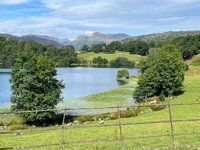
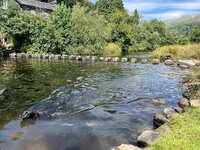
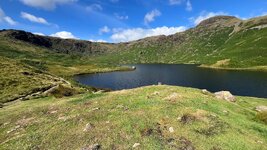
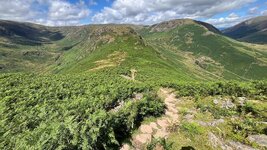
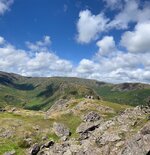
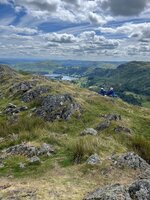
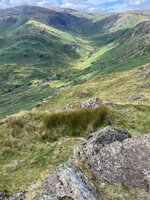
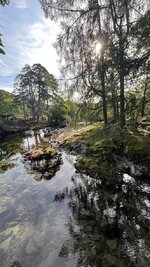
A few shots of some of the views from my recent trip attached.
=====
I have started you a fresh thread.
Richard
It used to be me calling out in a well meaning humour to the bods coming towards me using walking poles "hey mate, you've forgotten your skis!" to now realising their value, especially on technical descents where they saved me from a few nasty falls this year.
I've been a keen hiker for decades now and my advice is to ensure proper planning, especially on route planning, being prepared for changeable weather and having the right kit. I've never been one to rely on gps devices. Batteries can fail as can receivers, things can get broken plus decent ones are expensive and I really couldn't be arsed with subscriptions and reading tiny watch screens or hand held monitors. I've always been an advocate for proper 1:16000 (just enlarged copies of the 1:25K OL explorer range) or 1:25000 explorer/landranger mapping and a decent compass, and always carry a small back up compass. I use waterproof maps too.
For clothing, it pays to layer and always wear breathable wicking base layers. Decent clothing need not be expensive although I did treat myself to a Mountain Equipment Makalu jacket this year which I'll be using in cooler months. Ideal walking rainproofs need to stay breathable, which means every few months I wash my waterproofs in Techwash and reproof using TX Direct to prevent early wet out which results in loss of breathability of goretex/other membranes. For spring/summer use, my favourite jacket and top recommendation would be the excellent and very affordable Rab Firewall and Firewall light jackets. They breathe better than Goretex and by comparison, seem to take a lot longer to wet out, plus are light and highly packable. The Firewall Light is currently discounted to just £125 presently.
Most critical for me kit is footwear, and here I've learned that lighter and well cushioned yet with midsole support and protection is key to my longer walks so hiking trainers or lightweight goretex textile boots are all I'd ever use these days. Makes a hell of a difference over a longer walk and reduces walking fatigue significantly.
Poles are new for me but now a must.
Rucksacks: I prefer them to be as compact as I need for a few days, typically 35-45 litres, with a decent lightweight frame and some practical touches like long water bottle carries with tightening straps, waistbelts with zipped pockets for my compass and energy bars, a built in rain cover and easy access waterproof zips to the main compartments from the sides. A good one should last years.
A few shots of some of the views from my recent trip attached.
=====
I have started you a fresh thread.
Richard
Attachments
Last edited by a moderator:





