I see that there are several books, but each seem to ferment some degree of dispute. I guess that is inevitable, given the subject.I want at some point to read about Irish neutrality in the Second World War and to maybe better understand
At random, I’ll try:

In Time of War: Ireland, Ulster and the Price of Neutra…
When the Union Jack was hauled down over the Atlantic n…And / or as I like social history:

That Neutral Island: A History of Ireland during the Se…
Of the countries that remained neutral during the Secon…PS I have learned that the war itself was known as ‘The Emergency’.
Apologies for the thread hijack.
Last edited: Today at 12:56
For your quest this is another interesting read.
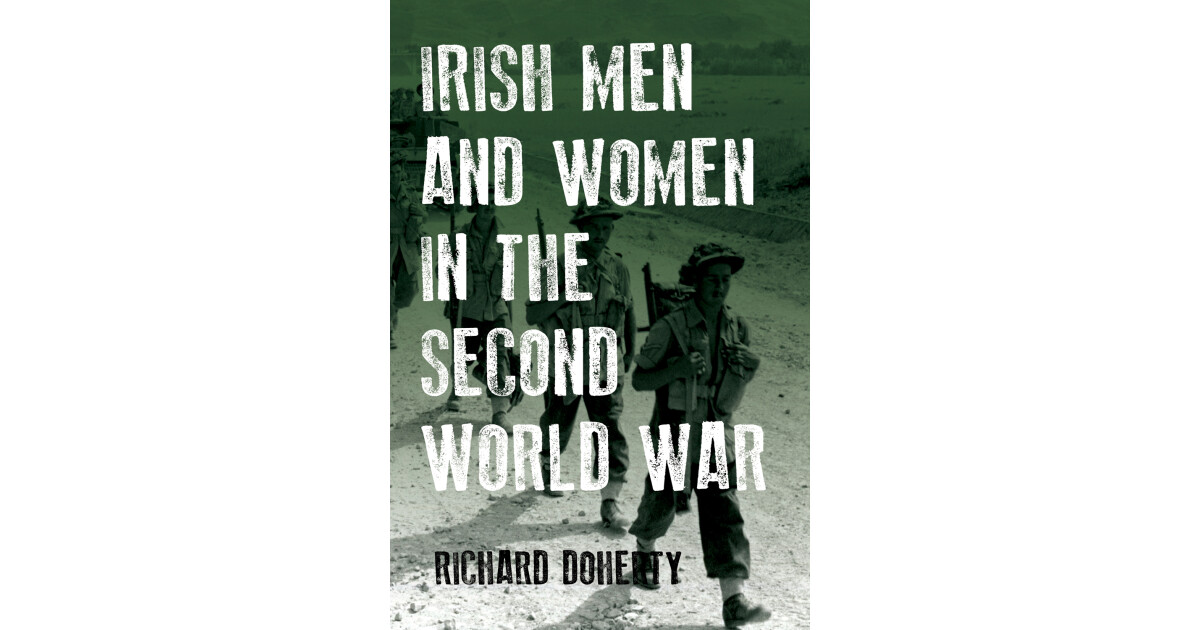
Four Courts Press | Irish Men and Women in the Second World War
by Richard Doherty
 www.fourcourtspress.ie
And Dan Snow did a series on the role of Northern Ireland and Ireland during WW2 unfortunately not available on IPlayer at the moment but it may be available again as the BBC often recycles these things.
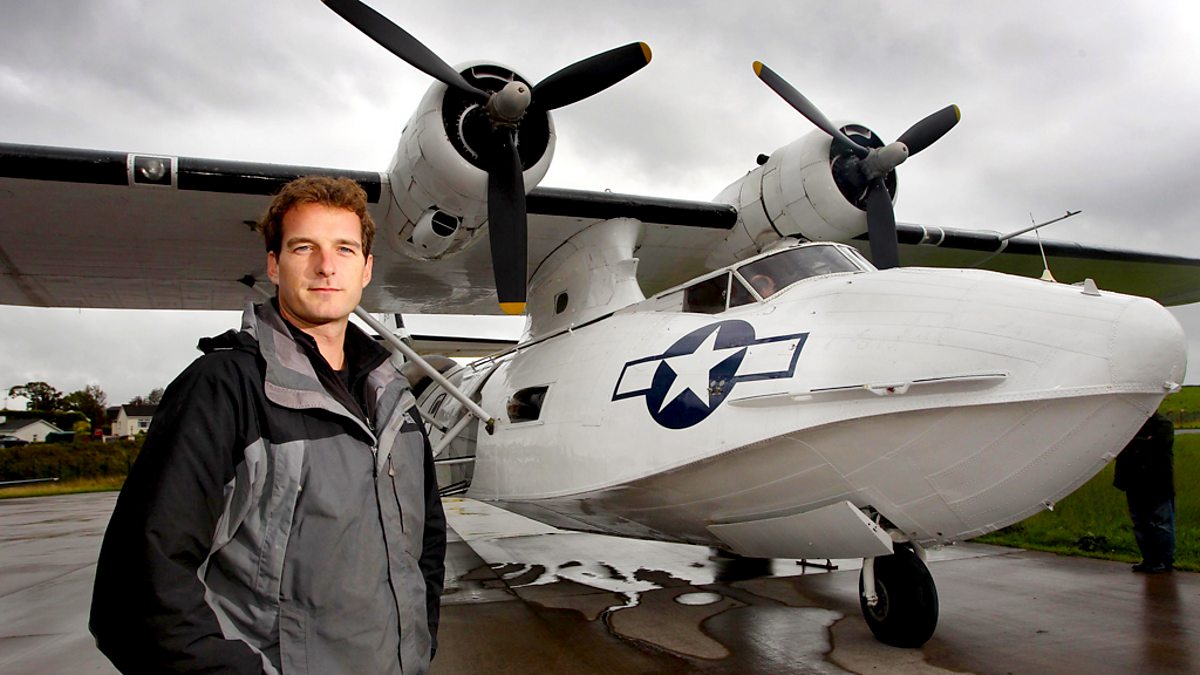
BBC One - Dig WW2 with Dan Snow, Episode 1
Dan Snow investigates the history of the Second World War in Northern Ireland.
A lot of the Documents around the time of WW2 and Neutrality have been released by the Irish Government. They give a good insight into the domestic tightrope the Irish Government were walking at that time.
https://www.difp.ie/volume-6/1940/irish-reply-to-british-proposals-for-a-united-ireland/3213/
Map of defence Heritage sites.
Experience
There was probably in excess of 120,000 Irish men and women who served in WW2 including 5000 who deserted from the Irish army to serve in the British army and were sanctioned on their return. An apology and Pardon was issued by the Irish Government in 2013.
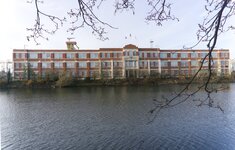
I was walking past this building the other day (built in 1941) when they were turning out Sunderlands.
And Martin Baker still test ejector seats on the shores of Lough Neagh at Langford Lodge.