


I generally almost always add the "commuting" option to motor insurance for my bikes and cars to have all bases covered.
I do not commute regularly (read: almost never) by motorbike or car to work as I prefer to cycle to work (I'm lucky I can), use the tube, or only resort to the motorbike if the weather is so so, or I have to carry something, and these are fairly rare cases. Also: I work from home most days.
There's been a couple of times where I didn't add the commuting option to one of my insurances contract in the last few years. This was due to the commuting option costing ~3/400 extra pounds o a 1k policy.
It varies from insurer to insurer and that was an edge case. In most cases it's just a negligible add-on cost-wise. But still sometimes a very expensive commuting option comes up in quotes.
Now, to my question. And, just to be clear, I'm asking to understand better how it works, not to game the system.
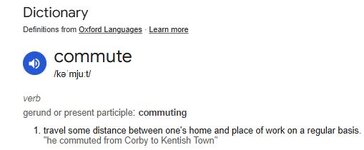
My understanding is that the commuting option is (from the internet):
So part of the risk of commuting is the peak hours drive, etc. Makes complete sense.
What happens if the vehicle is used every once in a while (once every few months) to drive/ride to a specific (non fixed) location for work, where also using your own vehicle is voluntary and non expensed?
Will that still be classed as commuting even though it is not repetitive? How is that established?
And what if you are traveling for work and/or private use, see: travel to a location on a Friday and then continue your trip.
Question is to try and understand if next time a very high commuting option cost comes up, if it makes sense to just look for another insurer, put up with the extra cost, or just use a taxi or other means of transportation in case.
Thanks.
I do not commute regularly (read: almost never) by motorbike or car to work as I prefer to cycle to work (I'm lucky I can), use the tube, or only resort to the motorbike if the weather is so so, or I have to carry something, and these are fairly rare cases. Also: I work from home most days.
There's been a couple of times where I didn't add the commuting option to one of my insurances contract in the last few years. This was due to the commuting option costing ~3/400 extra pounds o a 1k policy.
It varies from insurer to insurer and that was an edge case. In most cases it's just a negligible add-on cost-wise. But still sometimes a very expensive commuting option comes up in quotes.
Now, to my question. And, just to be clear, I'm asking to understand better how it works, not to game the system.
My understanding is that the commuting option is (from the internet):
All good.If you are commuting to work you will likely be driving on busy roads during peak hours, at times when accidents may be more likely which is why this class of use could affect the price of your policy.
So part of the risk of commuting is the peak hours drive, etc. Makes complete sense.
What happens if the vehicle is used every once in a while (once every few months) to drive/ride to a specific (non fixed) location for work, where also using your own vehicle is voluntary and non expensed?
Will that still be classed as commuting even though it is not repetitive? How is that established?
And what if you are traveling for work and/or private use, see: travel to a location on a Friday and then continue your trip.
Question is to try and understand if next time a very high commuting option cost comes up, if it makes sense to just look for another insurer, put up with the extra cost, or just use a taxi or other means of transportation in case.
Thanks.
Last edited:



 ) and also a good to know in those (rare) cases where the commuting option is very expensive, to understand if totally necessary or not.





