Engine Front Cover Stuck

Coaster

Registered user
Joined
Jan 31, 2011
Messages
3
Reaction score
0
Location
West Midlands
I have a 2011 GSA and have sheared one of the engine front cover bolts (bottom corner, offside) and oil is leaking out. I have tried WD40 etc and screw extractors without success so am now trying to take the front cover off so I can get this bolt out. I imagine I may need to Helicoil it but I will cross that bridge if I come to it.
I have got all the bolts out (as far as I can see - 15 No, plus the sheared off bolt) plus the crankshaft position sensor. I have read (Haynes et al) that you should not use a screwdriver/chisel to separate the cover from the block. I have been whacking it with a small, soft hammer and a short length of timber for ages and it is not shifting.
The Haynes manual says there are two "dowels" (one top and bottom), and the oil seal, so I know it will be a tight fit. The sheared bolt is also contributing to the problem I guess, but there does not seem to be any movement at all even at the opposite corner. It seems that the sealant is doing an extremely good job and bonding the two faces together.
Any ideas please on how I might get this cover off? It would be nice if they cast in some "lugs" that you could give a tap to help separate the two pieces.
 
The dowels 1 top 1 bottom can be tight, there is no gasket but the faces are prepped for the sealant to grip.
You have drained the engine oil ?
The seal will not offer any resistance.
When the case is off set it up on a mill to drill the old bolt out, that way you should be able to avoid helicoiling it.
Persevere it will come off.
When refitting use a top quality RTV sealant such as Wurth.
 
As it is bonded in place with an RTV silicone sealant, it is probably necessary to break the seal. You could try inserting a stanley knife blade or thin bladed kitchen knife along the seam, tapping the back of the blade lightly to split the cases. Go easy not to cut into the bare aluminium. Once the bond begins to break the components should gradually lever apart as the silicone shears.
 
If you have an air line try putting the blow gun tight against the joint line and pulling the trigger. The blast of air can split the silicone joint if your lucky.
 
There might be a lip at the top where you can get a hard wood drift against to knock the cover off. Can't remember how I got mine off.

The screws on my front cover had started to corrode. I replaced with stainless and lathered them with anti seize paste all the way up to the head.
 
Sorry for the "radio silence" but I hurt my hip and decided against aggravating it by grovelling around under my bike.

Got back down to it yesterday and managed to get the cover off. Don't have an air line so tried the stanley knife method. That didn't work as I can't get a hammer at the back of the blade because the engine is still in the frame. So I resorted to a wood chisel and many (big) hits with a lump hammer. Once it had broken the sealant, I used a plastic spatula to separate the two faces by hammering that along the joint.

I seem to have got lucky with the markings to the aluminium faces except around the seized bolt where I had to resort to a bit more brute force. (The plastic spatula was bending and cutting up.)

Problem now is getting the old bolt out. It is well and truly stuck and will need a lot of heat etc. I might try a left handed drill bit and then some more screw extractors. If that fails, a helicoil may be required.

Many thanks for all your suggestions and sorry again for the lack of updates etc.

Any thoughts on make of sealant please? Is LOCTITE SI 5980 any good? It is £6 at Halfrauds compared to Wurth at £18 on Amazon.
 
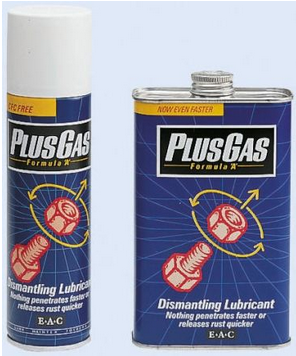
Spray with some Plus gas several times over a few hours to let it soak in and as before heat is your friend so use a heat gun if you have one to break and sealant from around the threads.
Is the bolt proud i.e. can you grab it with some vice grips?

d7298f1748305c3778f9c95e0718751b.png
 
Bolt has sheared at the face of the casing to I can't grip it at all.

I was thinking of building a reservoir around the bolt/hole using plastic padding or similar and filling this with WD40. A bit nervous about getting it off afterwards.
 
Use a centre punch to accuratly mark the middle of the bolt and start with the smallest drill you have keeping it horizontal to the engine face.You can then work up to a larger drill but not one that will mark the threads or damage the casing.You might find once the core is drill the bolt will free up and extract by hand.
 
This is more work but better in the long run. Chewing the hole beyond repair could get VERY expensive.

Piece of 20mm thick steel bar steel big enough to pass over the problem hole and bolt on with screws either side.

Drill three holes using the cover as a guide and bolt it with the centre hole over the seized screw. You need a drill stand to get perpendicular holes.

You can now drill it out without worrying about the drill slipping or running offline. The aluminium threads are likely to be a mess so Helicoil it. The same jig should align the tap. A 5mm hole and drill might let you extract the old threads.

Loctite 518 anaerobic sealant works well. I used it on mine and had to remove it a week later when the oil seal failed - I'd folded the seal lip.

Use plenty of anti seize paste on the Helicoil and all screws.

You will need to have it chemical stripped. The OEM coating is too hard to grit blast. Go to a car wheels restorer.

I had mine painted but now believe the cover would be better stripped, cleaned and left bare metal. What do others think?
 
I presume he means thick steel that is 20mm wide.

Its a great idea to stop the drill wandering (I wish I'd thought of it ). One to remember.
 
You need a lump of steel bar 20mm thick long enough and wide enough to span a screw hole either side of the sheared screw. Drill the steel to match the three holes' alignment (use the cover as a guide). Bolt it to the engine with screw either side of the offending hole. You now have a jig to guide your drill. Go for 5mm on the centre hole then you might get away with saving the threads.

If it's stainless get a GOOD quality drill and keep it lubricated. Stainless work hardens so can be horrible to drill.
 
You need a lump of steel bar 20mm thick long enough and wide enough to span a screw hole either side of the sheared screw. Drill the steel to match the three holes' alignment (use the cover as a guide). Bolt it to the engine with screw either side of the offending hole. You now have a jig to guide your drill. Go for 5mm on the centre hole then you might get away with saving the threads.

If it's stainless get a GOOD quality drill and keep it lubricated. Stainless work hardens so can be horrible to drill.

+1 for Bendy approach - you only get one chance to drill it square & central, using a thick guide plate will ensure you go in square. Use a bench drill to make sure the guide hole in the plate is 100% square. 5mm is good as a tapping hole for a 6mm bolt, but I'd start with a 3 or 4mm drill first.
Use a good sharp drill, and keep the drill speed low to limit the heat.
Take your time ! Worst case scenario is a broken crankcase. I doubt you'll be able to unscrew it if it's properly corroded, so an insert is the way forward. Again when tapping a thread for the insert, so slowly with plenty of lube, back and forth endlessly to keep the crankcase alloy safe, as the insert tapping size is slightly bigger than 6mm, hence higher risk.


Back
Top Bottom