Great write-up. A mental note to visit the area...
Thank you. It’s not far across from Calais or the North Sea ports.
It’s really just a very small part of the whole Eifel / Belgian Ardennes / North Luxembourg area.
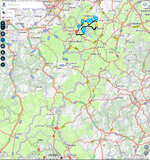
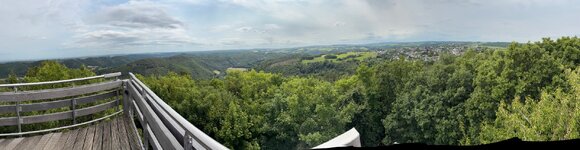
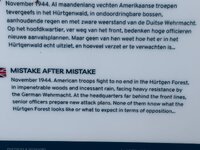
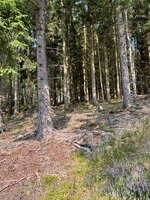
Indeed, it’s the compact smallness of the densely wooded, steeply banked area of just 50 square miles, that makes the series of attritional battles that roared across it for months on end so terrible. Yet it’s all but unknown, overshadowed by Arnhem and the Battle of the Bulge. It was an absolute disaster for the American army group and, not least, the men thrown into it.
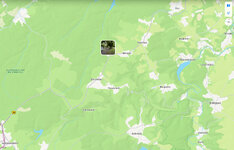
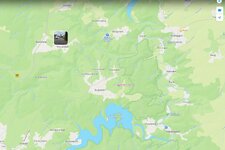
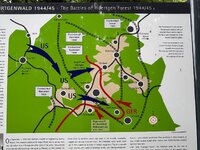
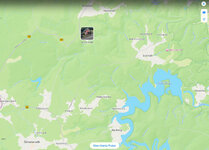
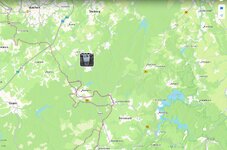
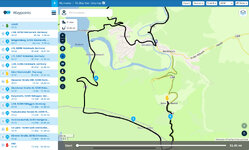
Interesting (or not) the map above shows the town of Stolberg, just to the east of Aachen. As can be seen, it is bordered to the immediate south by the Eifel / Hurtgen forest. It is relativity flat land, leading directly to Düren, the larger town and the gateway to the plain before the Rhine river. It is a part of the so called, ‘Stolberg Corridor’. This is important as historians and military experts alike have pointed out that the corridor would have allowed the Americans to have bypassed the Hurtgen Forest entirely.
Whilst undoubtedly true, it is tempered very slightly by the fact that the Americans had overrun their supply lines, in the 90 day rush from the breakout from Normandy, Antwerp (and its deep water port / estuary) not yet having been seized, which was Montgomery’s failing. American supplies still had to come all the way from the D-day beaches, miles to the west. Similarly, the American generals, feared a flanking attack from the south / forests, leaving them vulnerable. History though (and simple) military fact does not render these problems a good enough excuse for what happened in the Hurtgen. Indeed, it made no military sense to the Germans who were amazed that the Americans even considered the venture, let alone start it and continue for months of slaughter.
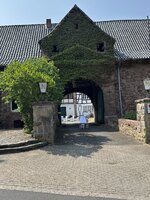
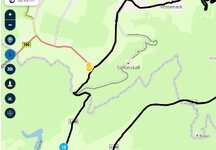
I would like to go back at some point, if only to tick off the places I didn’t see. These include: Düren, the hospital bunker at Simonskall, the building which housed Major General Cota (who oversaw the blood letting) and the village of Roetgen, the first village in Germany to fall into allied hands and, (not least) walk the final section of the Kall Trail, from the bridge up the hill to the town of Schmidt. Will I then have seen it all? Well, I’d have seen lots of the main sites. To see more, would mean dedicating myself to individual battles within the four months it took the Americans to break through the forest to the dams. Whilst I like identifying and standing at (or close to) specific spots ‘Where something happened’, I guess to ‘Do it all’ would take a couple of weeks or more. I think I’d be content with the bits I’d seen. Not least, I want to go to see the sites to the east and south of Berlin, which brought about the fall of the capital to the Russians.
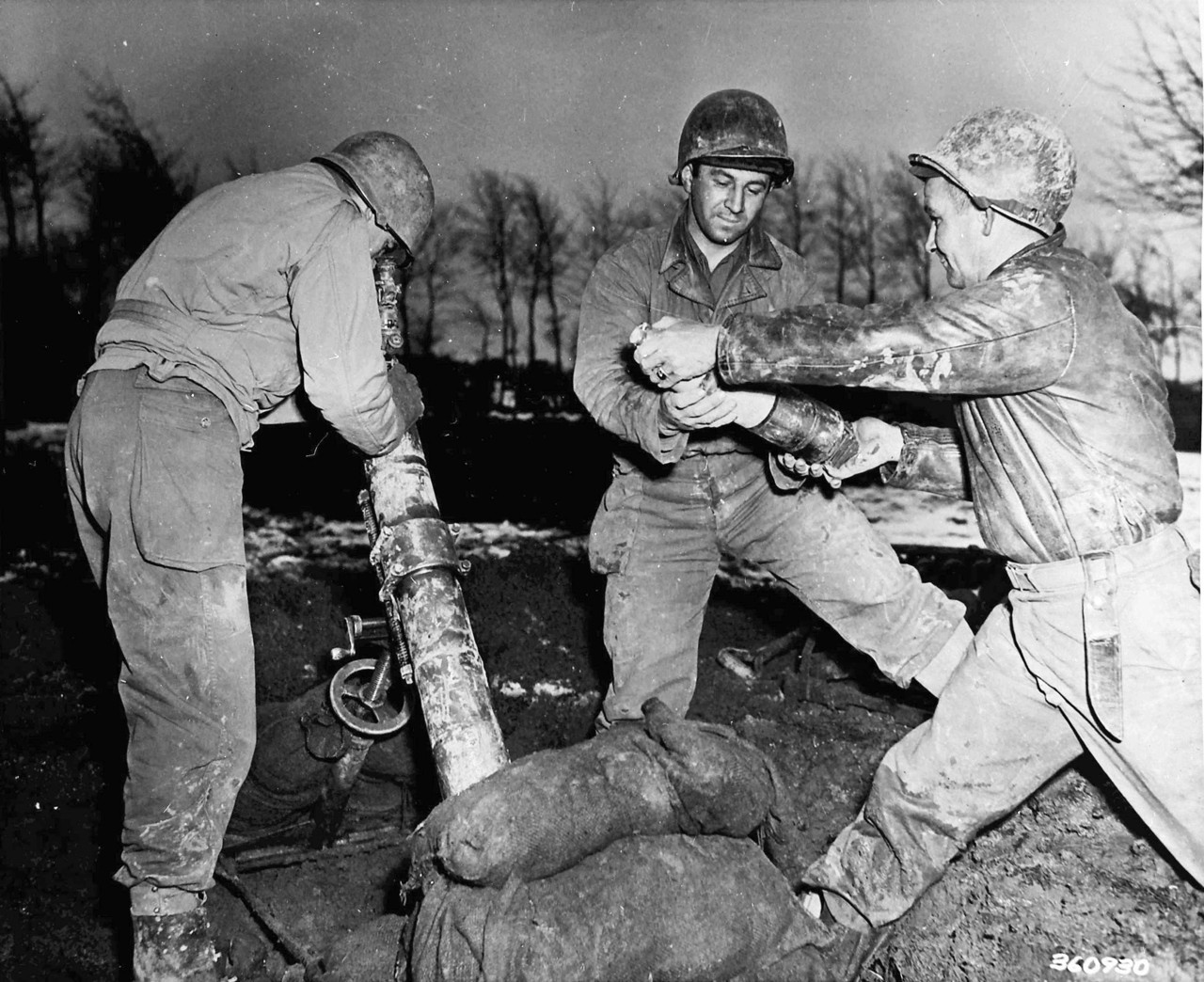
PS One hopefully vaguely interesting aside. Every time you pick up a bottle of Heinz tomato ketchup, you can be reminded specifically of the American army’s 28th Infantry Division, that was decimated in the forest: