It was all that big boy’s idea, Miss. That Other PaulG….
As with going camping in February, the best ideas hatch over beers. The visit to Mortlake was just that. I had met with Paul at the HAC, where he’d told me about a real London oddity I had never heard of. We planned on visiting it.
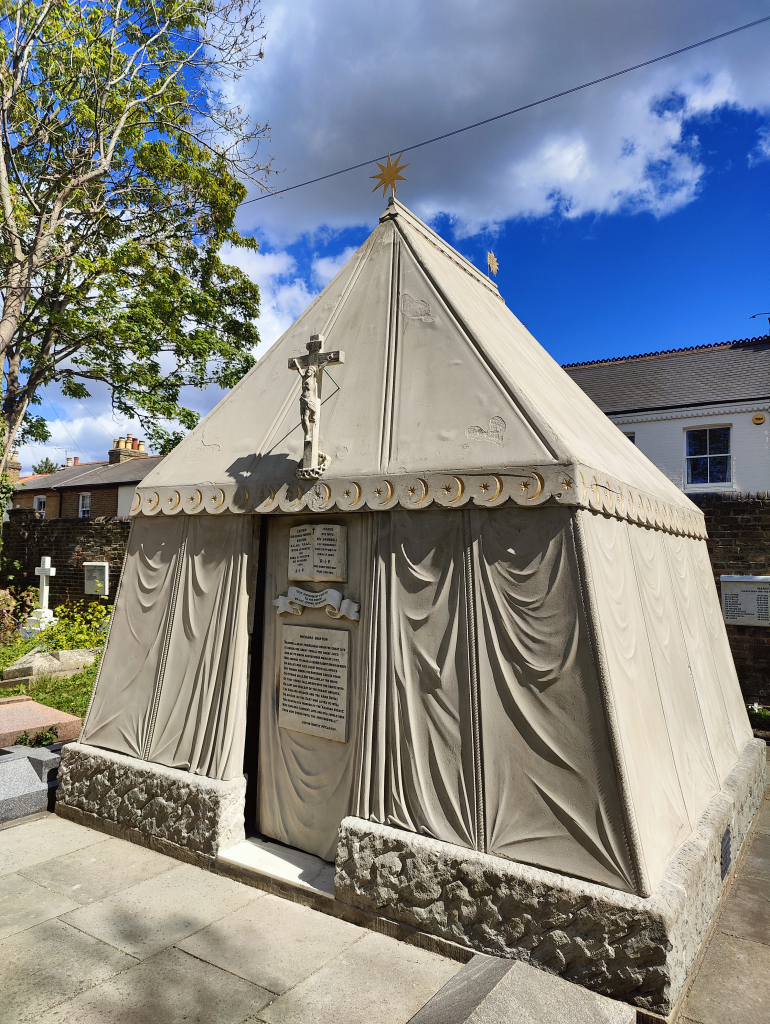
Buried away in a Catholic churchyard there is a Victorian mausoleum. But not any old mausoleum, as it holds the remains of one of Britain’s greatest explorers and that of his wife. The explorer is none other than Sir Richard Burton, who through the mid-to-late 1800’s opened up and explored much of what was to become coloured pink on a map of Africa and far beyond. Most notable amongst his achievements was to stage an attempt to find the source of the Nile and be a westerner attending the Haj, in disguise.
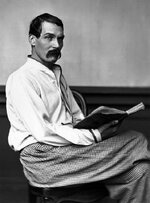
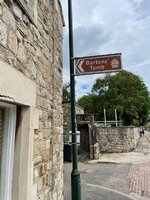
His mausoleum (it’s styled as a tent) evidences his explorer life, with a mixture of Christianity (his wife was a fervent Catholic) along with its nod to Moorish and Moslem influences.
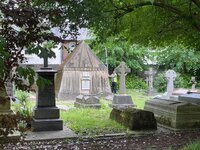
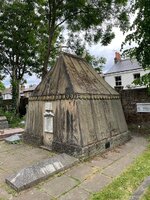
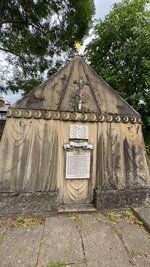
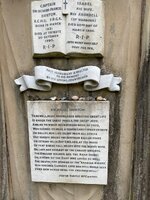
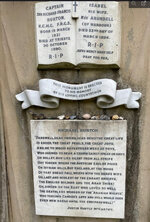
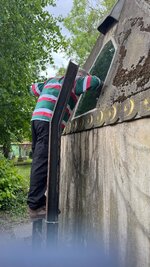
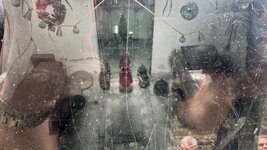
It is possible to climb a small steel ladder and see inside, the two coffins lying side-by-side, reunited in death.
 habitatsandheritage.org.uk
 habitatsandheritage.org.uk
Our pilgrimage to Britain’s imperial past done, we decamped to quite a good pub for lunch. The place would make a good rendezvous site for a future SE Area Tossers’ get-together.
 www.theharesheen.co.uk
All in all, a simple but good day out in London.
PS How great to have your mausoleum and final resting place, erected by your ‘Loving countrymen’.
As with going camping in February, the best ideas hatch over beers. The visit to Mortlake was just that. I had met with Paul at the HAC, where he’d told me about a real London oddity I had never heard of. We planned on visiting it.
Buried away in a Catholic churchyard there is a Victorian mausoleum. But not any old mausoleum, as it holds the remains of one of Britain’s greatest explorers and that of his wife. The explorer is none other than Sir Richard Burton, who through the mid-to-late 1800’s opened up and explored much of what was to become coloured pink on a map of Africa and far beyond. Most notable amongst his achievements was to stage an attempt to find the source of the Nile and be a westerner attending the Haj, in disguise.
His mausoleum (it’s styled as a tent) evidences his explorer life, with a mixture of Christianity (his wife was a fervent Catholic) along with its nod to Moorish and Moslem influences.
It is possible to climb a small steel ladder and see inside, the two coffins lying side-by-side, reunited in death.
Burton Mausoleum - Habitats & Heritage
habitatsandheritage.org.uk
The Intersecting Identities of Lady Isabel Burton: Woman, Wife, Explorer - Habitats & Heritage
by Mara Willsdon, History Research Volunteer In word and deed, Lady Isabel Burton’s existence at the intersection of “lady traveller” […]
habitatsandheritage.org.uk
Our pilgrimage to Britain’s imperial past done, we decamped to quite a good pub for lunch. The place would make a good rendezvous site for a future SE Area Tossers’ get-together.
Hare and Hounds | East Sheen's best British pub and beer garden
A traditional British pub near Mortlake Station on Upper Richmond road in East Sheen, SW London with a beer garden, and seasonal British food.
www.theharesheen.co.uk
All in all, a simple but good day out in London.
PS How great to have your mausoleum and final resting place, erected by your ‘Loving countrymen’.
Last edited: