City gates…. A Wander

Gate 4 - Cripplegate
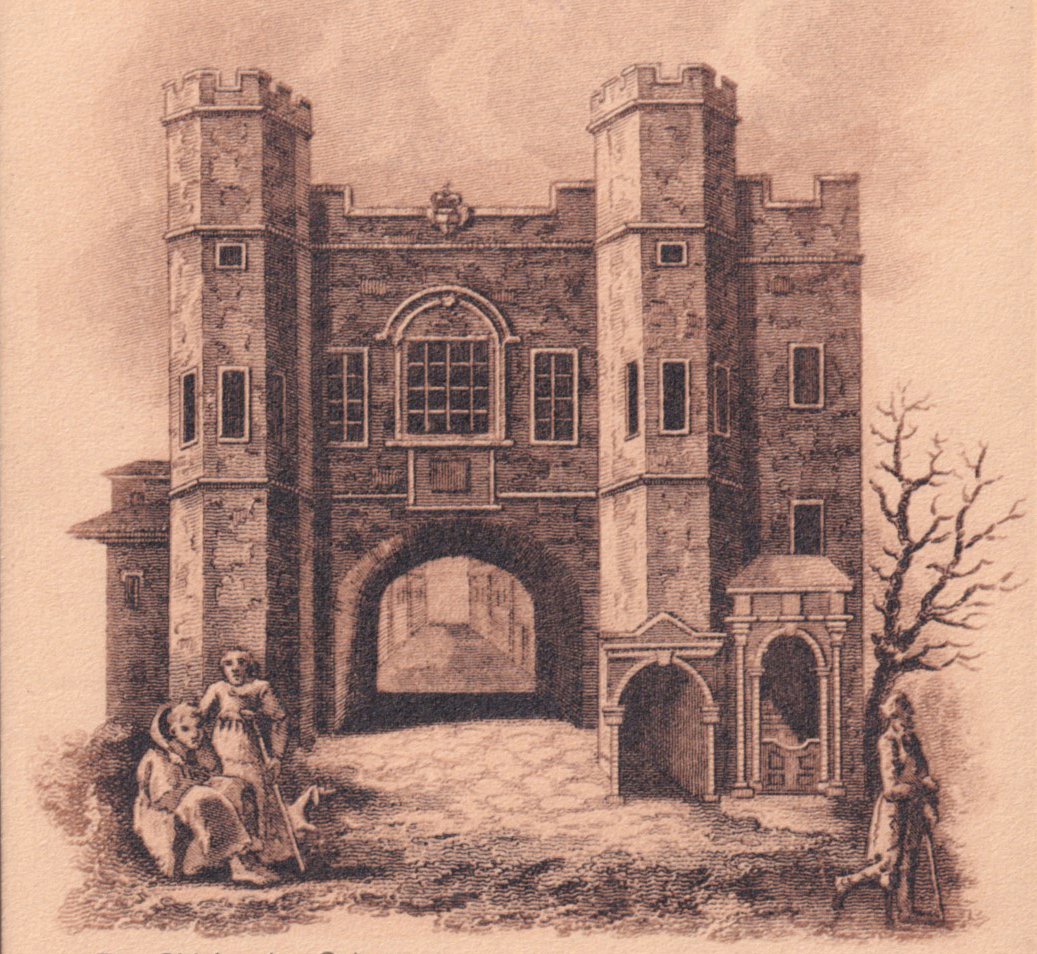

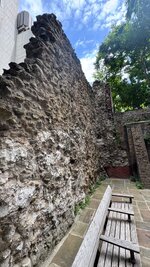
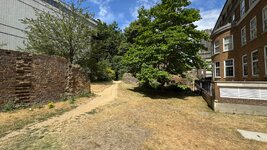
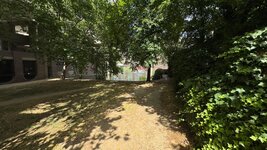
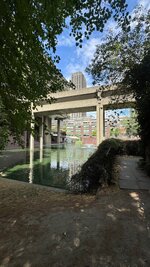
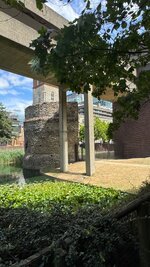
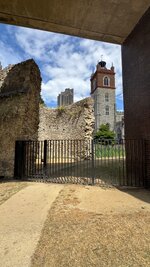
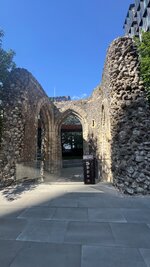
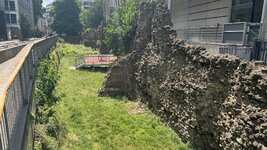
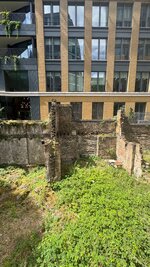
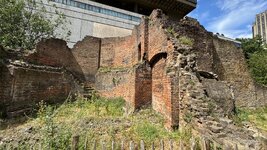
Whilst the gate (as with all the others) and gatehouse are long since gone, it’s arguably the most interesting point on our Wander, as a lot of the Roman and medieval wall remains. This is by luck, a chance of war and a degree of foresight by the developers. The area was smashed in the Blitz; the clearing of the rubble, the creation of the road ‘London Wall’, and the building of the Barbican estate, unearthed the remains of the wall, long buried.

You can go down some steps to the wall, in a sense going back in time with each step downwards:

IMG_0424.jpeg

I chatted with the nice couple in the picture, who were visiting from London from Turkey. They had the guidebook and had come to see some ‘history’ for themselves:

IMG_0425.jpeg
IMG_0430.jpeg

IMG_0428.jpeg

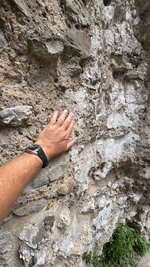
It is fascinating that you can reach out and simply touch ‘history’, in a way connecting yourself with all that has gone on over the many, many years since the wall was first built:

IMG_0429.jpeg
 
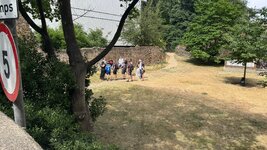
As I said, the excavated and preserved site at Cripplegate is quite large, so it’s worth wandering around for a bit. Here’s the Jewish tour guide and her flock:

IMG_0436.jpeg

IMG_0437.jpegIMG_0438.jpegIMG_0440.jpegIMG_0441.jpegIMG_0442.jpegIMG_0443.jpegIMG_0444.jpeg

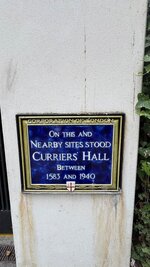
And find a reminder of those dreadful days and nights of 1940 and of another of the City’s livery companies:

IMG_0434.jpeg

 
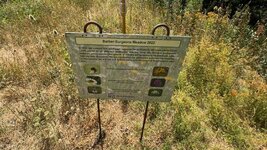
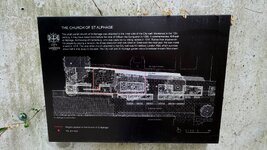
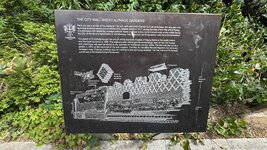
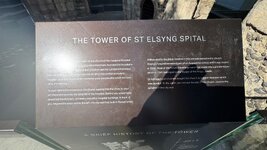
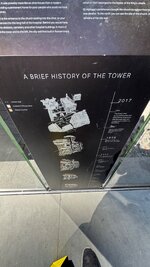
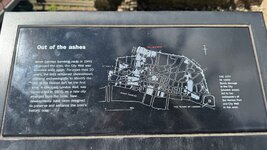
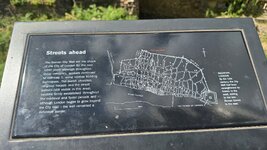
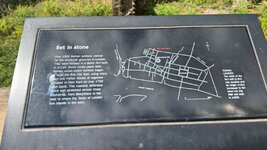
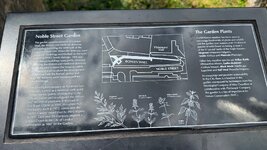
Besides having ancient walls to see and touch, the site has some interesting guides as to what the wall’s purpose was and what else stood where you are standing now:

IMG_0427.jpegIMG_0431.jpegIMG_0545.jpegIMG_0546.jpegIMG_0547.jpeg

If you ever have the chance just to visit one site, I’d definitely recommend Cripplegate.
 
Last edited:
As an aside, it got me wondering how quickly soil and the like builds up over time, burying what was there before.

Of course the answer varies a lot, but for busy cities (such as London) it is roughly a metre per century. This is accelarated when fires and the smashing down of solid structures takes place, such as has happened to the wall. Then the figure becomes roughly 1.5 metres per century.
 
Slight correction if I may; the police station you featured is (was) Wood Street, Vine Street police station was just off Piccadilly. Carry on.
 
Slight correction if I may; the police station you featured is (was) Wood Street, Vine Street police station was just off Piccadilly. Carry on.

Thank you.

Of course you are correct.

:beerjug:

I should remember, as I sat outside its doors once, stuck in a traffic jam for about three hours on a hot Saturday lunchtime, due to a large crash on the junction with Bishopsgate. I and a taxi driver asked a City of London bobby, whether it might be a good idea to allow vehicles to use the ‘No entry’ very short and open Wood Street road to our right, to get everyone clear.

The answer, quite remarkably, was no. So we all sat there, broiling in the sun. I received a bollocking when I arrived home in Bethnal Green, for being late!
 
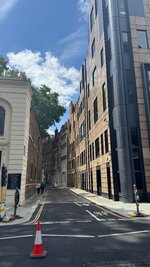
Let’s turn down Noble Street and follow the line of the wall, which is on our right.

Again, there’s quite a lot of the ancient wall on display and some good explanation boards, too:

IMG_0454.jpegIMG_0455.jpegIMG_0456.jpegIMG_0457.jpegIMG_0461.jpeg

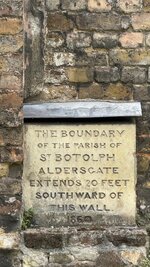
An old parish boundary marker, readable if you zoom in and a clue that we are heading to Aldersgate:

IMG_0459.jpegIMG_0460.jpeg

The churches sometimes too record the wall and the gates within their names. You can see: ‘xxx within….’ and ‘xxx without…’ in the names, indicating whether the church stood inside (within) the wall or outside (without).
 
Last edited:
Them Romans certainly knew how to knock up a drop of muck, when you consider of all the weathering that wall and similar structures have had to put up with, they are in better shape than the pointing between my paving slabs put in about 15 years ago!
 
Gate 5 - Aldersgate

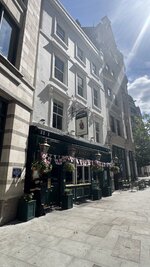
There is nothing ‘gate wise’ to see of the wall or the gate at Aldersergate, but a blue plaque confirms that we are in the right spot:

IMG_0489.jpeg

The pub, which now stands on the site, was shut.

More later…..
 
Last edited:
Them Romans certainly knew how to knock up a drop of muck, when you consider of all the weathering that wall and similar structures have had to put up with, they are in better shape than the pointing between my paving slabs put in about 15 years ago!

Indeed so.

Down at the Tower of London section of the wall, there is quite a good information board, telling how the wall developed from the pre-Roman defensive mound, through to the solid wall Romans built. Then the medieval period, through to later centuries, when people started to build right against it, incorporating the wall into their warehouse or even house itself. You can see the layers of vertical growth and the evidence of how it changed from a purely defensive structure to ‘civil’ use over the course of time.
 
Last edited:
Gate 4 - Cripplegate


Whilst the gate (as with all the others) and gatehouse are long since gone, it’s arguably the most interesting point on our Wander, as a lot of the Roman and medieval wall remains. This is by luck, a chance of war and a degree of foresight by the developers. The area was smashed in the Blitz; the clearing of the rubble, the creation of the road ‘London Wall’, and the building of the Barbican estate, unearthed the remains of the wall, long buried.

You can go down some steps to the wall, in a sense going back in time with each step downwards:
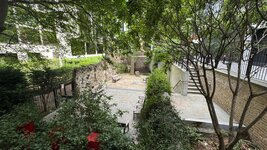
View attachment 522693

I chatted with the nice couple in the picture, who were visiting from London from Turkey. They had the guidebook and had come to see some ‘history’ for themselves:
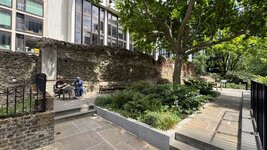
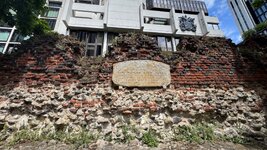
View attachment 522694
View attachment 522708

View attachment 522696

It is fascinating that you can reach out and simply touch ‘history’, in a way connecting yourself with all that has gone on over the many, many years since the wall was first built:
View attachment 522707
If these walls could speak eh; :beerjug:
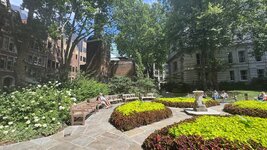
 
As I said, the excavated and preserved site at Cripplegate is quite large, so it’s worth wandering around for a bit. Here’s the Jewish tour guide and her flock:

View attachment 522709

View attachment 522710View attachment 522711View attachment 522712View attachment 522713View attachment 522714View attachment 522715View attachment 522716

And find a reminder of those dreadful days and nights of 1940 and of another of the City’s livery companies:

View attachment 522717

The contrast between ages could'nt be more stark; the concrete does'nt set the tone but in a perverse way complements the old; Parkhill flats in sheffield are now listed buildings so who knows.:beerjug:
 
Let’s turn down Noble Street and follow the line of the wall, which is on our right.

Again, there’s quite a lot of the ancient wall on display and some good explanation boards, too:

View attachment 522745View attachment 522746View attachment 522747View attachment 522748View attachment 522751

An old parish boundary marker, readable if you zoom in and a clue that we are heading to Aldersgate:

View attachment 522749View attachment 522750

The churches sometimes too record the wall and the gates within their names. You can see: ‘xxx within….’ and ‘xxx without…’ in the names, indicating whether the church stood inside (within) the wall or outside (without).
That little lead shade is quite a survivor in this day and age; :D
 
If these walls could speak eh; :beerjug:

I was thinking much the same. The good thing is that the very good notice boards do speak for them.

It is easy to knock London, but within it lies a key part of the nation’s history and a part of what makes UK plc what it is today. Is it the only place that does? Of course not, lots of places (large and small) do. We are just lucky to have so much of it stacked up on our doorstep.

It was interesting on Sunday, right in the holiday period, to see and speak to people from across the UK and from across the globe, often with their phone or a simple book as a guide, coming to see ‘stuff’. It’s not always a cheap place to visit; I’m very lucky to live here and see so much for ‘free’.

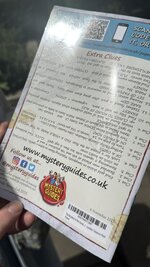
I noticed that several (indeed lots) UK visitors to London had the same ‘fun’ guidebook. I asked one of them what it was. They came from ‘Up north’ and told me that the little book was quite fun to follow.

IMG_0414.jpeg
 
That little lead shade is quite a survivor in this day and age; :D

It is shocking how some memorials (civil and military) have been vandalised by thieves for their metals. They have stood, untouched for generations, until some yob decides to steal the plaques or whatever. There is no justification for it, not least it leaves future generations with nothing more than a meaningless lump of stone.
 
On to the next.

Whist there is nothing to see of the gate at Aldersgate, there is ‘stuff’ to see close by.

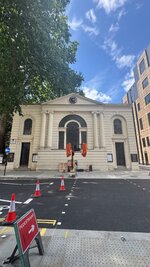
Alongside the street of ‘Little Britain’ there’s a low white and modest church of St Botolph without Aldersgate, it’s name showing that it sat outside of the City's wall:

IMG_0482.jpeg
IMG_0481.jpeg

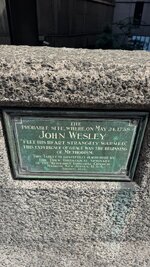
This is London’s leading Presbyterian church and a nearby link to Wesley, the founder of the Methodist church:

IMG_0483.jpeg


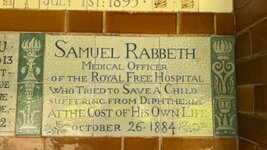
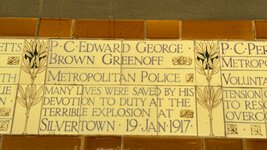
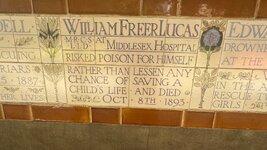
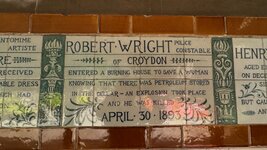
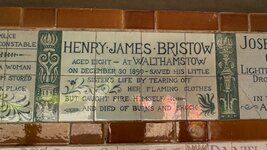
Close by there’s the oddity of Postman’s Park (we’ll come to post itself later) another of London's excellent ‘green lungs’;

IMG_0479.jpeg

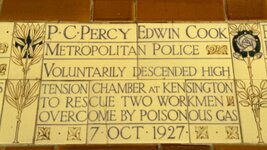
With its memorial to those who lost their lives seeking to save others’;

IMG_0474.jpegIMG_0473.jpegIMG_0472.jpegIMG_0476.jpegIMG_0477.jpegIMG_0478.jpeg

I suppose that the George Medal, first struck in 1940 at the height of the Blitz, ‘rewards’ civilian acts of courage and bravery - in assisting others - today.

 
Last edited:
We now need to head roughly on a towards St Paul’s and from there, roughly on a diagonal to Newgate, but before then there is ‘stuff’ to see…. To be continued….
 
Last edited:


Back
Top Bottom