Our area has been hit badly by heather beetle so not expecting a particularly busy season. Still, looking forward to getting out but I doubt I’ll be taking the dogs until it cools a bit.
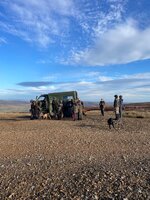
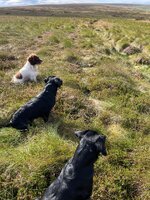



Don’t know where you are Wassy, but we have it quite bad in my neck of the woods too. Couple of years ago a chap I know who owns land over Penhill way had his whole season ruined because of it. I know it’s been on Preston Moor and I think Grinton as well.
Heather beetle seems especially bad on parts of the moor where keepers aren't allowed to burn anymore and have to just cut instead, surely burning is an effective tool in the control of the dreaded beetle.Our area has been hit badly by heather beetle so not expecting a particularly busy season. Still, looking forward to getting out but I doubt I’ll be taking the dogs until it cools a bit.
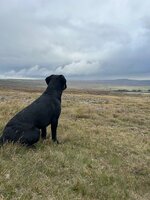
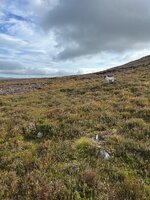
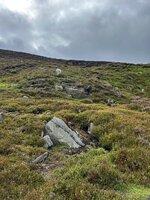
View attachment 434762View attachment 434764
Heather beetle seems especially bad on parts of the moor where keepers aren't allowed to burn anymore and have to just cut instead, surely burning is an effective tool in the control of the dreaded beetle.
Controlled burning has been practiced by skilled keepers for maybe hundreds of years but the powers that be are doing their best to ban it ....... on ground above a certain height at the moment but with these people it's just the thin end of the wedge.
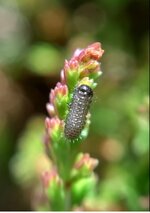 the heather plants unpalatable to livestock, grouse and unattractive to other wildlife and nesting birds. In such cases the impact on livelihoods can be considerable too. The beetles life cycle is interesting in that the adults lay dormant throughout the winter in moss and litter beneath the heather structures. As spring approaches and the temperatures rise the beetles emerge to feed and breed. Eggs are laid in the litter layer hatching a few days later. The larvae climb the heather plants and eat the thin outer bark layer of the stem and the leaves as well. They then pupate into adult beetles two to four months later and fly off in search of fresh ground. Damage to heather is not immediately obvious as the beetles are not easily spotted and will drop to the ground if disturbed. The plants show no sign of being damaged either. Later in the year as autumn approaches 'beetled' heather turns red/brown as the stress of the damage takes its toll on the plants. Grouse will leave affected areas and if the extent of the problem is on a large scale this can have a catastrophic impact. Occasionally large outbreaks can occur with beetles being carried on the wind for several miles. When this happens they can enter properties, gardens even the coast in some areas. Heather beetles can have a devastating long term effect on heathered areas and historical outbreaks have been linked to loss of some moorland habitats. The resulting grass dominance from species like purple moor grass (molinia) can be seriously problematic. Whilst there are two known species of small parasitic wasp that feed on heather beetles they cannot be relied upon to control beetle outbreaks. There is no definitive solution to managing heather beetle and moor managers often have to let nature run its course. Controlled burning is not a realistic solution as, contrary to some commentators, the cool burns do not generate heat that penetrates the substrates beneath the canopy. Therefore the 'sleeping' beetles like other insects and amphibians are unaffected by controlled fires. Different moor managers have their own preferred ways of dealing with beetle damaged heather when it appears. These are largely site specific and determined by local factors. Burning beetled heather or cutting it can help regenerate the plants from the root stock in some cases, in others its a waiting game to see if the plants will recover without intervention. So if you see ginger looking heather in late summer or early autumn or perhaps greying areas in winter there is good chance that the heather has been attacked by beetle larvae. In the past these symptoms were often considered to be frost damage as the two causes produce similar indications. The greatest limiting factor to beetle numbers is actually cold, harsh winters with periods of prolonged sub-zero temperatures or penetrating frosts. With a warming climate and milder winters we could see more beetle damage to our cherished uplands - time will tell.
Great weather!
That’s an interesting vehicle, what is it?

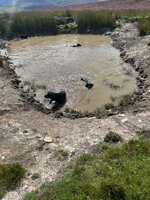
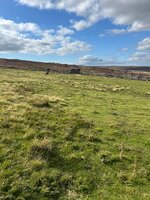


No shooting in the moors of the estate I go on. Heather beetle and gulls the main problem. Possibly a family day is all afaik. Partridges off the fell sides in about 5 weeks is when we start.


 fullfact.org
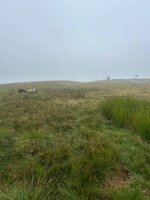


Them dogs look in good nick. Didn’t stop at the Rose & Crown did they ?
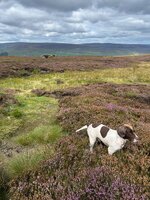
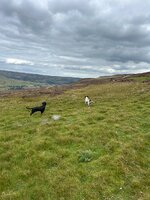



It looks like an Ex UK MoD REYNOLDS BOUGHTON RB44 4x4 to me.Great weather!
That’s an interesting vehicle, what is it?



