

SJRoome
Registered user
Hi
I have a 1989 R100GS that I have owned for the last 15 years. I have been having problems with the inside of the tank rusting. On a test ride after a carb rebuild to check out my beautifully synchronised carbs I had to switch to reserve and the resulting flood of rust and crud blocked the inline fuel filters and the bike limped home. I decided to give the inside of the tank some serious attention.
After research on the web I decided to clean the inside of the tank using electrolysis, and then seal the inside of the tank using POR15.
Here is the inside of the tank after draining it, removing it from the bike and rinsing it with a garden hose.

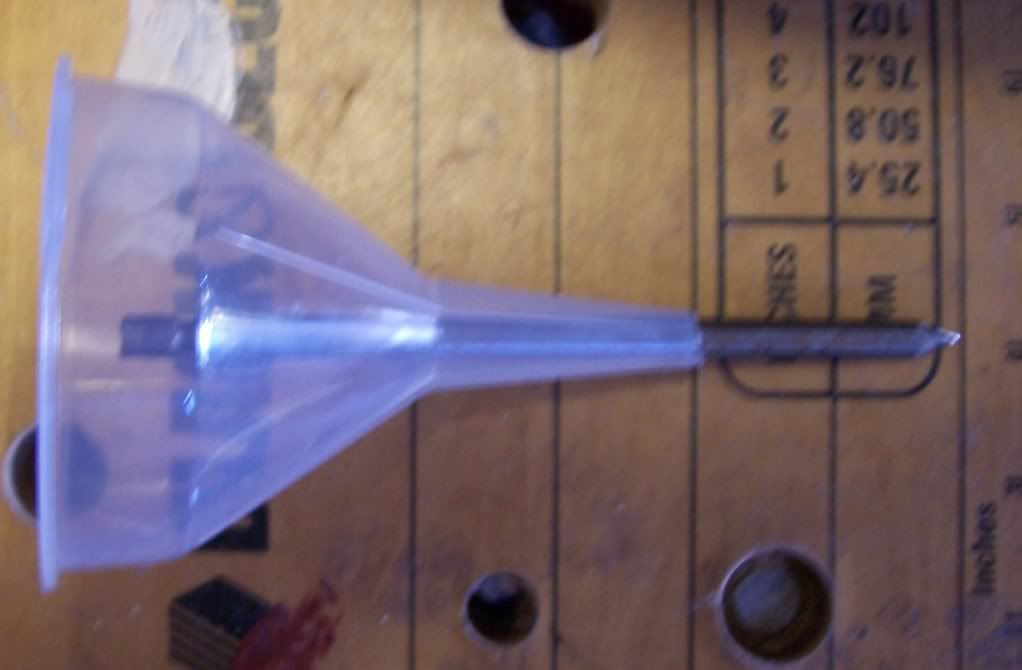
To carry out electrolysis on a rusty tank you need a sacrificial anode. You apply a positive voltage to this and a negative voltage to the tank. The anode gets eaten away during the process. You need to ensure that the anode and the cable going to it cannot touch the tank. I chose to use a broken long power screwdriver blade held in a plastic funnel as my anode.
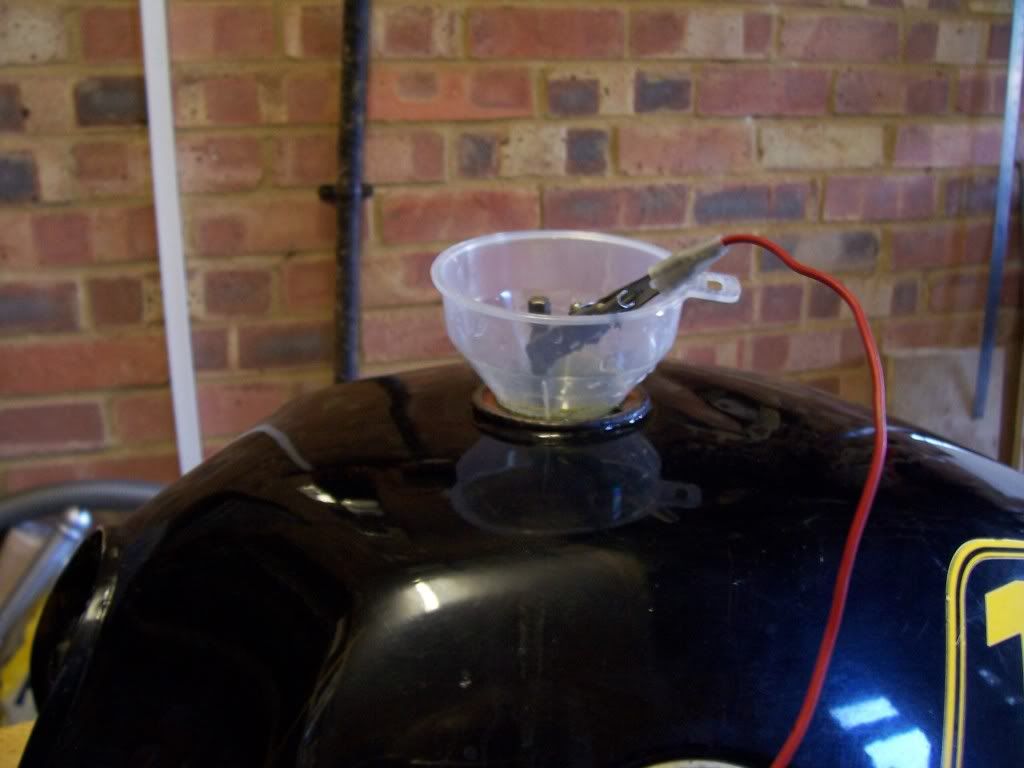
I filled the tank with warm water with laudry soda in it and then inserted the anode. The power supply was a 12V battery charger. I left the petcocks on the tank. Once I urned on the power to the charger the initial current was about 1A indicating considerable chemical activity, but this soon drops as the anode gets surrounded by chemical sludge and the water inside the tank cools.
I initially left the process for 4 hours. I then turned off the power drained the tank and rinsed it out with a garden hose. A considerable amount of the original reddish brown paint came out together with very brown water.
I repeated the process several times. Here I have a ring of bluetack around the petrol cap opening so that the cap fittings get cleaned. You can also see the very dark colour of the water after a lengthy period of electrolysis.

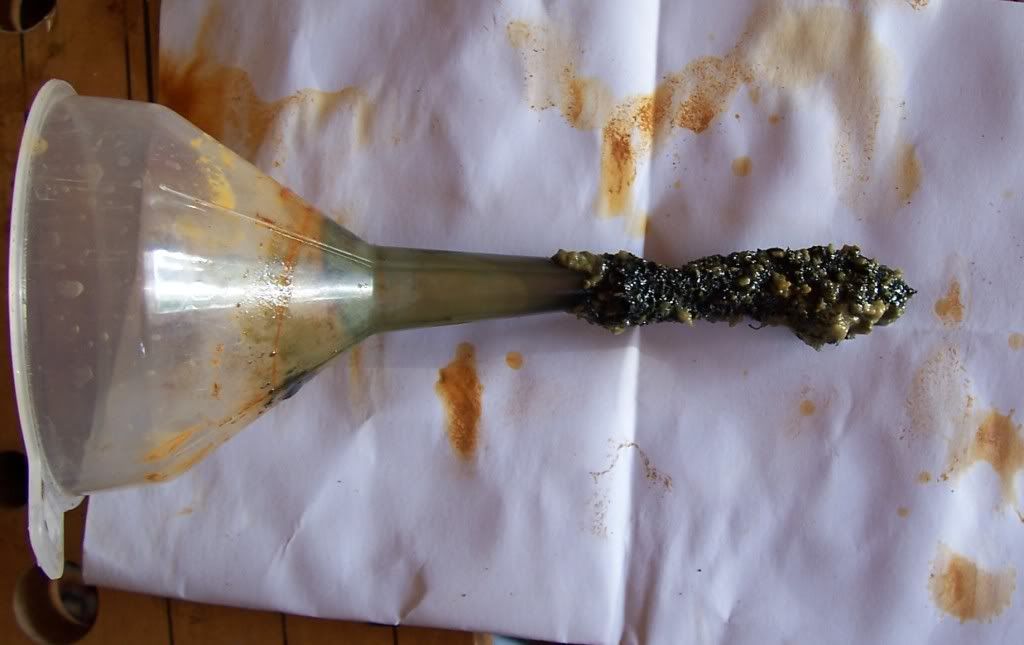
When the anode is removed from the tank after each period of electrolysis it is surrounded by a green foam and when this is cleaned off you find the anode severely eaten away.
I repeated this process several times. Once I rinsed and shook out several largish chunks of what looked like soft red sandstone. I dont know if they were products of the electrolysis, or the results of years of petrol additives. Here is the inside of the tank after a thorough rinsing partway through the process.
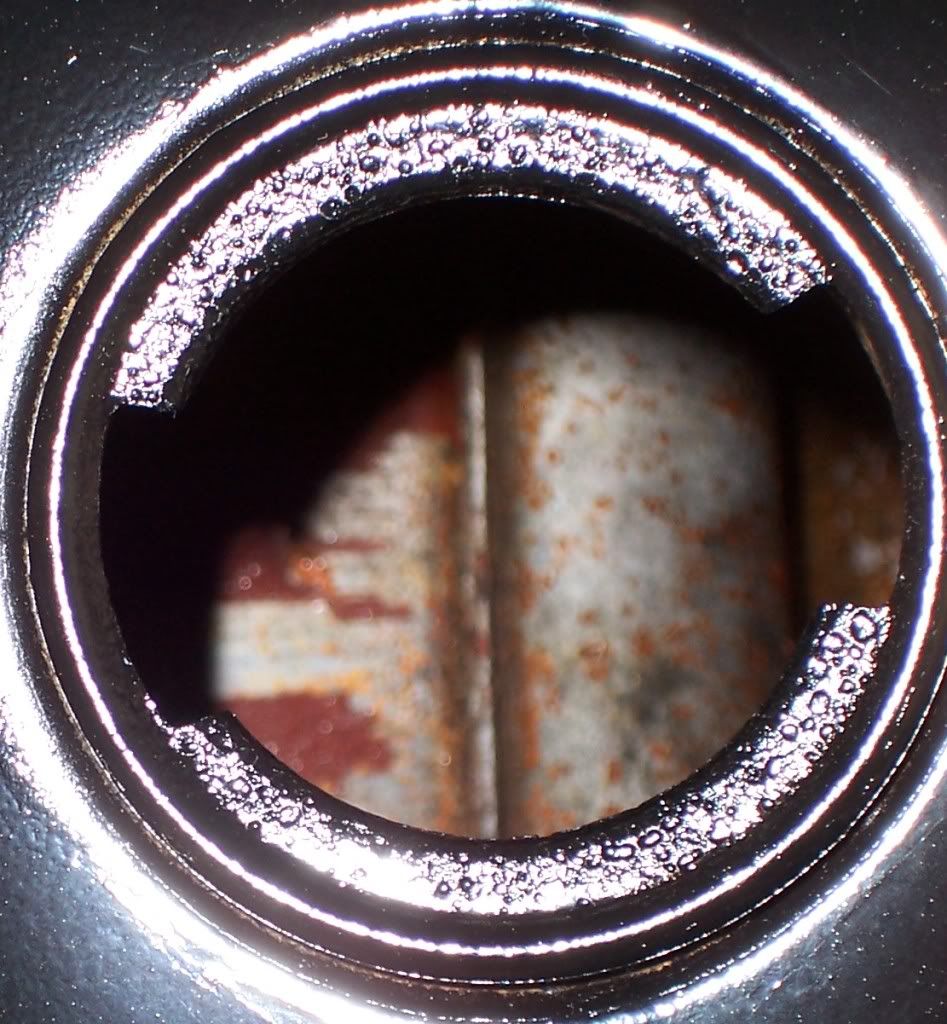
I repeated the process until when I rinsed the tank I only got a few bits of paint out and I could not see any obvious rust. The water was still dirty though but this could well be due to chemical products produced during the electrolysis. Here is the result.

I bought a POR15 Motorcycle petrol tank repair kit. You need to add another can of petrol tank sealer as the R100GS has a large tank. I then followed the POR15 tank repair process. The first step is to clean the tank with Marine Clean an industrial strength degreaser and then rinse it. The next step is to etch the inside with Metal Ready. This neutralises the rust, etches the inside of the tank and acidifies the surface so the POR sealer sticks.
Here is the result, ready for sealing.

The POR15 sealer has the colour and consistency of silver hammerite. The final step is to block the petcock holes, pour the sealer into the tank and slosh it around to cover the inside of the tank and then let excess sealer drain out through the petcock holes. I used a plastic emergy fuel cap to block the filler hole which worked very well. This turns out to be quite difficult as the large and strange shape of the R100GS tank means some parts of the tank cannot be coated this way. I had to resort to a long artists paintbrush to get some parts of the tank covered.
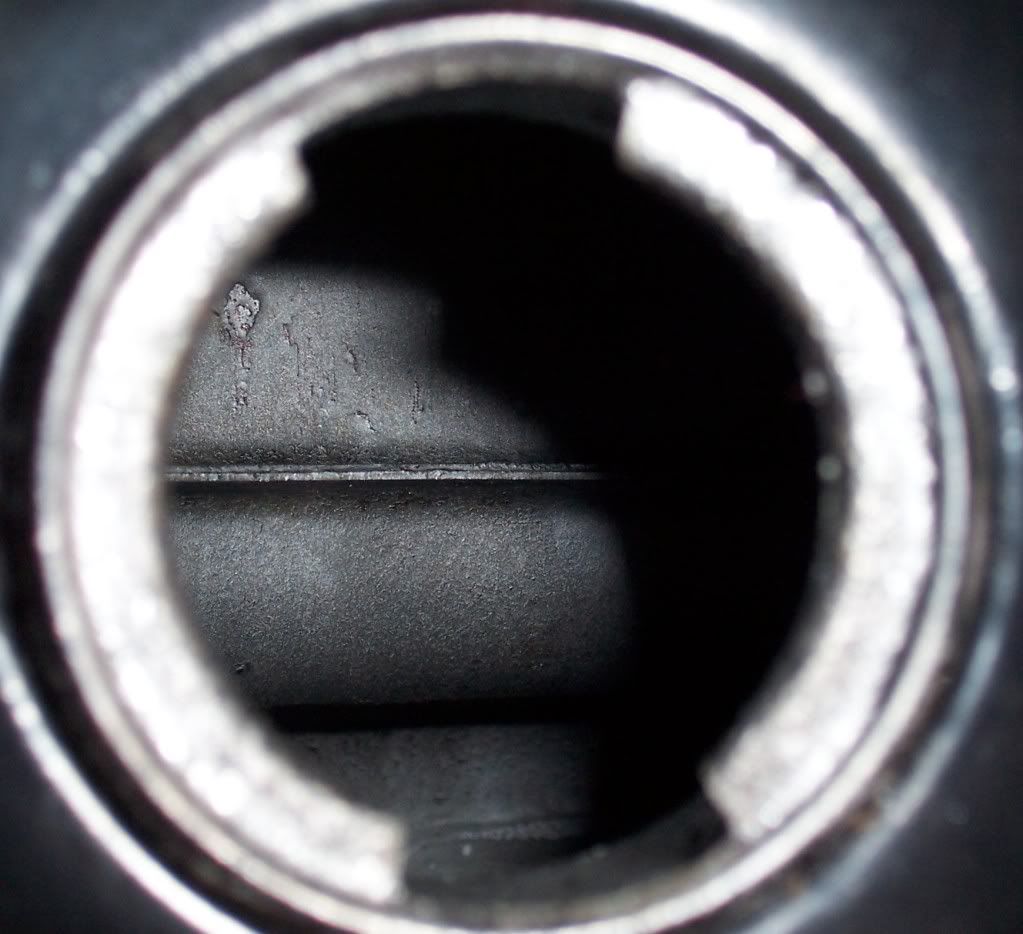
The sealer is then left for 96 hours to cure. Here is the final result.
If you are thinking of doing your tank this way a few words of warning. 1 Electrolysis generates small amounts of hydrogen an extremely flammable gas. 2 The tank must be negative and the sacrificial anode positive 3 If I was doing it again I would leave the petcocks on during the degreasing and eching processes 4. POR15 tank cleaner sticks to everything, sets like iron and doesnt appear to be effected by any solvent I have access to so wear gloves and take extreme precautions again spillage. 5. The tank will drip sealer for hours so mount it securely with the petcock holes at the lowest point and with the petcock threads protected by tape and drain into containers you will throw away.
Steve
I have a 1989 R100GS that I have owned for the last 15 years. I have been having problems with the inside of the tank rusting. On a test ride after a carb rebuild to check out my beautifully synchronised carbs I had to switch to reserve and the resulting flood of rust and crud blocked the inline fuel filters and the bike limped home. I decided to give the inside of the tank some serious attention.
After research on the web I decided to clean the inside of the tank using electrolysis, and then seal the inside of the tank using POR15.
Here is the inside of the tank after draining it, removing it from the bike and rinsing it with a garden hose.
To carry out electrolysis on a rusty tank you need a sacrificial anode. You apply a positive voltage to this and a negative voltage to the tank. The anode gets eaten away during the process. You need to ensure that the anode and the cable going to it cannot touch the tank. I chose to use a broken long power screwdriver blade held in a plastic funnel as my anode.
I filled the tank with warm water with laudry soda in it and then inserted the anode. The power supply was a 12V battery charger. I left the petcocks on the tank. Once I urned on the power to the charger the initial current was about 1A indicating considerable chemical activity, but this soon drops as the anode gets surrounded by chemical sludge and the water inside the tank cools.
I initially left the process for 4 hours. I then turned off the power drained the tank and rinsed it out with a garden hose. A considerable amount of the original reddish brown paint came out together with very brown water.
I repeated the process several times. Here I have a ring of bluetack around the petrol cap opening so that the cap fittings get cleaned. You can also see the very dark colour of the water after a lengthy period of electrolysis.
When the anode is removed from the tank after each period of electrolysis it is surrounded by a green foam and when this is cleaned off you find the anode severely eaten away.
I repeated this process several times. Once I rinsed and shook out several largish chunks of what looked like soft red sandstone. I dont know if they were products of the electrolysis, or the results of years of petrol additives. Here is the inside of the tank after a thorough rinsing partway through the process.
I repeated the process until when I rinsed the tank I only got a few bits of paint out and I could not see any obvious rust. The water was still dirty though but this could well be due to chemical products produced during the electrolysis. Here is the result.
I bought a POR15 Motorcycle petrol tank repair kit. You need to add another can of petrol tank sealer as the R100GS has a large tank. I then followed the POR15 tank repair process. The first step is to clean the tank with Marine Clean an industrial strength degreaser and then rinse it. The next step is to etch the inside with Metal Ready. This neutralises the rust, etches the inside of the tank and acidifies the surface so the POR sealer sticks.
Here is the result, ready for sealing.
The POR15 sealer has the colour and consistency of silver hammerite. The final step is to block the petcock holes, pour the sealer into the tank and slosh it around to cover the inside of the tank and then let excess sealer drain out through the petcock holes. I used a plastic emergy fuel cap to block the filler hole which worked very well. This turns out to be quite difficult as the large and strange shape of the R100GS tank means some parts of the tank cannot be coated this way. I had to resort to a long artists paintbrush to get some parts of the tank covered.
The sealer is then left for 96 hours to cure. Here is the final result.
If you are thinking of doing your tank this way a few words of warning. 1 Electrolysis generates small amounts of hydrogen an extremely flammable gas. 2 The tank must be negative and the sacrificial anode positive 3 If I was doing it again I would leave the petcocks on during the degreasing and eching processes 4. POR15 tank cleaner sticks to everything, sets like iron and doesnt appear to be effected by any solvent I have access to so wear gloves and take extreme precautions again spillage. 5. The tank will drip sealer for hours so mount it securely with the petcock holes at the lowest point and with the petcock threads protected by tape and drain into containers you will throw away.
Steve





