

You are using an out of date browser. It may not display this or other websites correctly.
You should upgrade or use an alternative browser.
You should upgrade or use an alternative browser.
How low can we go.
- Thread starter gspod
- Start date
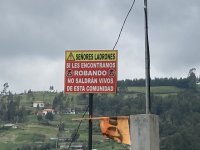
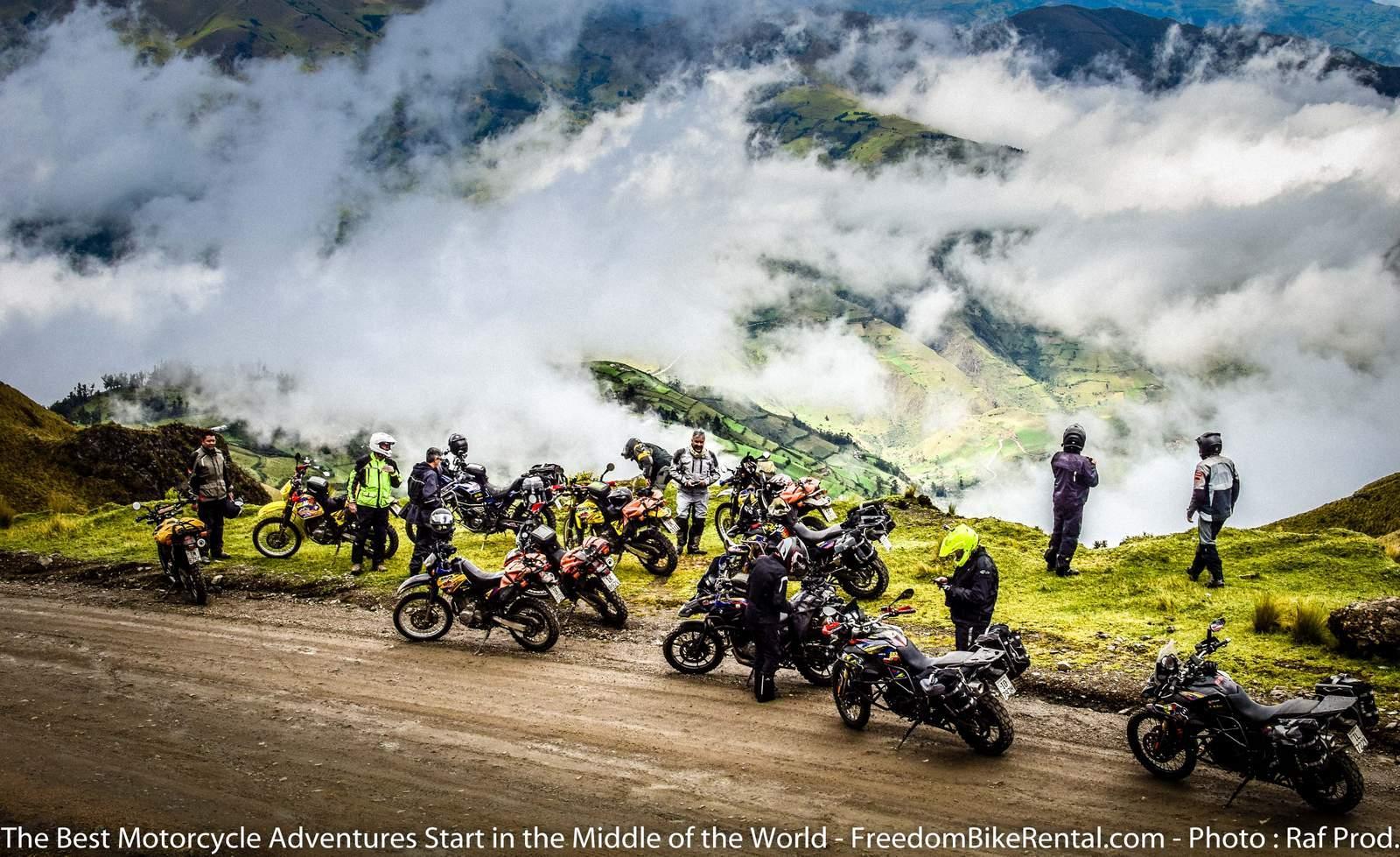
Ecuador is an amazing country to ride a moto - in a week (or less) you can ride in the Andes, along a beach, in Cloud Forest, Paramo Grasslands and the Amazon jungle. There’s loads of Volcanoes, it’s safe, clean and the people are friendly.
If anyone is tempted, this American run outfit is very professional, take a look:
 freedombikerental.com
If anyone is tempted, this American run outfit is very professional, take a look:
Ecuador Freedom - Motorcycle and 4x4 Adventures in the Middle of the World
Ecuador Freedom gets adventure-seekers like you off the beaten track on adventure motorcycles or 4x4s. Since 2009, we’ve helped travelers of all price points live their dreams with self-guided adventure tours and guided motorcycle tours
freedombikerental.com

Dermot and Amanda: what a great adventure and great photos….I am enjoying following it. Thanks!

Amazing stuff! Actually reminds me of Dan Walsh’s escapades.
Btw, does anyone know what happened to him??
Btw, does anyone know what happened to him??

Great Ride Report, Fab photographs 
Superb
Thank you

Superb
Thank you
While we were in Ecuador there was social disorder in Peru and Bolivia and we were watching the news.
The borders were closed, there were roadblocks, shops and businesses shut as well as all the tourist attractions. In fact there were tourists trapped up in Machu Picchu and had to be helicoptered out.
It was no hardship to drag our heals in Ecuador and eventually things settled down a little and they opened the border and secured the Pan American Highway but off the beaten track was still a definite no no.
Across the border the poverty was a stark contrast to Ecuador and we were to learn the sad political and social life that causes these uprisings.
The wealth disparity is very clear in Lima as we drove over an hour to get to our air B&B, which was a lovely bedsit over looking the sea in a secure, gated community - a must in Lima unfortunately.
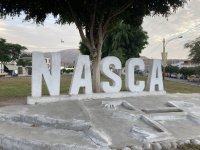
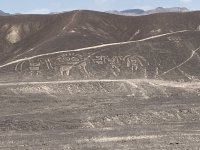
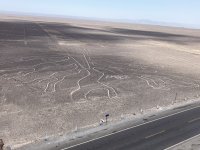
South of Lima things seemed to equal up and the towns were nice. We stopped for 2 nights in Nasca, to see the famous’Lines’
(https://en.m.wikipedia.org/wiki/Nazca_Lines)
and it is a lovely tourist town.
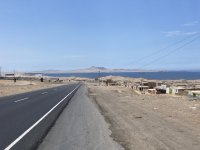
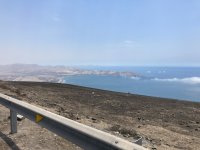
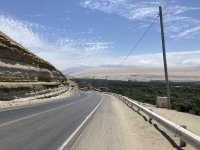
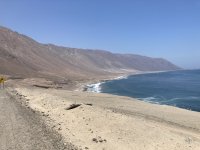
What was really nice was the scenery. Apart from a few days in the Tatacoa semi desert we have been travelling in lush, green, hilly/mountainous country for the last 5.5 months. Through Peru we’ve had a complete contrast of mountainous desert on our left and the Pacific Ocean on our right, it was like riding the Big Sur with better scenery, no fog and 1500 miles of it. We rode it in 7 days and loved every inch.
We left Peru with a bit of sadness as we didn’t get to see much of it or ride it’s famous mountain roads and there’s Bolivia - next time.
The borders were closed, there were roadblocks, shops and businesses shut as well as all the tourist attractions. In fact there were tourists trapped up in Machu Picchu and had to be helicoptered out.
It was no hardship to drag our heals in Ecuador and eventually things settled down a little and they opened the border and secured the Pan American Highway but off the beaten track was still a definite no no.
Across the border the poverty was a stark contrast to Ecuador and we were to learn the sad political and social life that causes these uprisings.
The wealth disparity is very clear in Lima as we drove over an hour to get to our air B&B, which was a lovely bedsit over looking the sea in a secure, gated community - a must in Lima unfortunately.
South of Lima things seemed to equal up and the towns were nice. We stopped for 2 nights in Nasca, to see the famous’Lines’
(https://en.m.wikipedia.org/wiki/Nazca_Lines)
and it is a lovely tourist town.
What was really nice was the scenery. Apart from a few days in the Tatacoa semi desert we have been travelling in lush, green, hilly/mountainous country for the last 5.5 months. Through Peru we’ve had a complete contrast of mountainous desert on our left and the Pacific Ocean on our right, it was like riding the Big Sur with better scenery, no fog and 1500 miles of it. We rode it in 7 days and loved every inch.
We left Peru with a bit of sadness as we didn’t get to see much of it or ride it’s famous mountain roads and there’s Bolivia - next time.
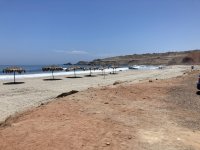
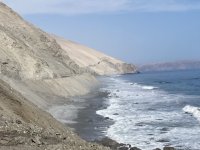
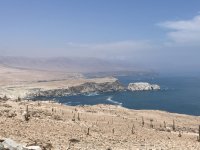
What an amazing adventure. Thank you for posting
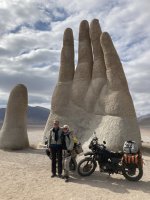
Across the border and into Chile, the desert theme continued. Everything was now modern and had a feeling of the US about it which was strange after so long and a little disappointing, to be honest.
We found a nice hostel in a seaside town which was owned by an older New Zealand guy who had first gone over to Chile to buy Llamas when he was 21.
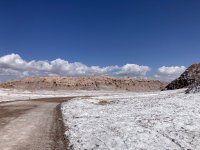
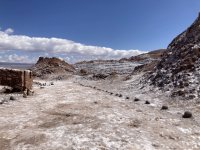
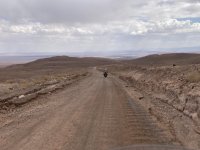
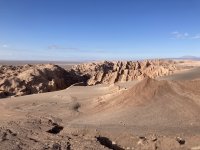
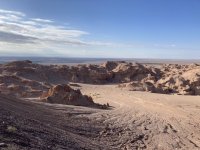
We followed the coast and into the Atacama Desert where we stayed in the lovely town of San Pedro de Atacama. We spent a few days riding around visiting the Valle de La Luna, the driest place on earth ( no recorded rainfall), some flamingos and soaked up the general atmosphere.
Onward then to La Serena and some Whale watching.
We found a nice hostel in a seaside town which was owned by an older New Zealand guy who had first gone over to Chile to buy Llamas when he was 21.
We followed the coast and into the Atacama Desert where we stayed in the lovely town of San Pedro de Atacama. We spent a few days riding around visiting the Valle de La Luna, the driest place on earth ( no recorded rainfall), some flamingos and soaked up the general atmosphere.
Onward then to La Serena and some Whale watching.
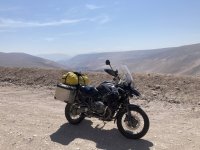
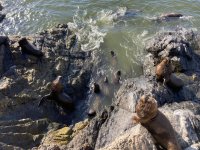
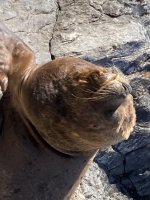
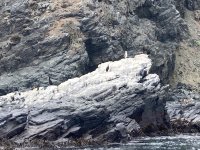
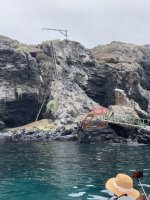
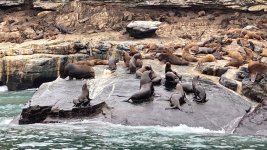
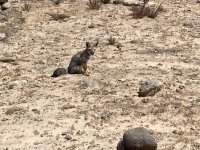
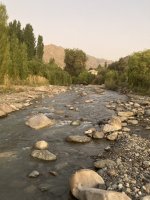
We saw 5 Fin whales which are the second largest type of whale, some penguins, lots of sea lions and some desert foxes on the way back.
It was a great day out and the tour guide was excellent and spoke fluent English .
.
Southern hemisphere winter was coming so it was a case of getting some miles under our belts. We spent 4 days riding down, the dualled, Pan American. We did find a lovely hostel for a couple of days and it was interesting to see the views become very Southern England / Northern with blackberries in March.
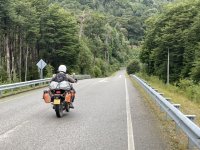
So we reached Puerto Montt - the gateway to Patagonia and the famous Carratera Austral, one of the world’s great roads and one I have always wanted to ride.

 en.m.wikipedia.org
The early part involves getting 3 ferries, which we did over 2 days, through stunning fiords and we stopped in ‘Pumalín Douglas Tompkins National Park’
One of 3 massive national parks established by Doug Tompkins (founder of North Face inc) and his wife - it’s a fascinating story, there is a film about it that’s worth tracking down.
It was a great day out and the tour guide was excellent and spoke fluent English
.Southern hemisphere winter was coming so it was a case of getting some miles under our belts. We spent 4 days riding down, the dualled, Pan American. We did find a lovely hostel for a couple of days and it was interesting to see the views become very Southern England / Northern with blackberries in March.
So we reached Puerto Montt - the gateway to Patagonia and the famous Carratera Austral, one of the world’s great roads and one I have always wanted to ride.
Carretera Austral - Wikipedia
The early part involves getting 3 ferries, which we did over 2 days, through stunning fiords and we stopped in ‘Pumalín Douglas Tompkins National Park’
One of 3 massive national parks established by Doug Tompkins (founder of North Face inc) and his wife - it’s a fascinating story, there is a film about it that’s worth tracking down.
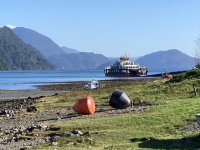
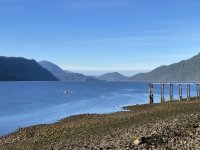
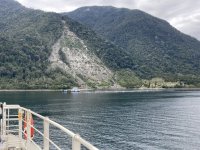
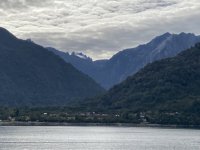
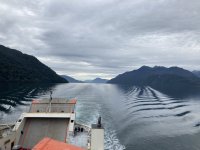
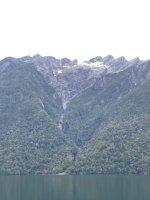
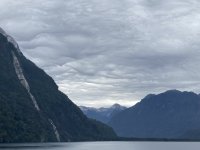
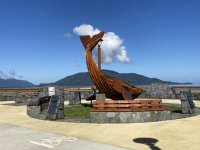
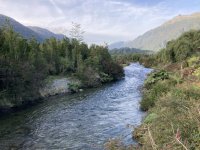
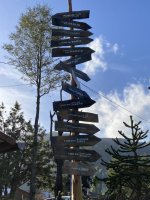
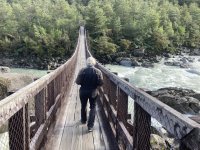
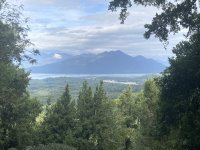
Logistics in Patagonia is dictated by the rain  . Some days it is biblical and even though our riding clothes are waterproof, it’s impossible to be watertight. So travelling and sightseeing is worked out accordingly.
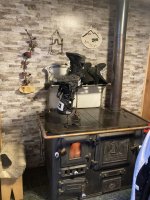
After the ferries we arrived in Chaitén and found lodging 14 miles south of the town. 3 wet days there, one of which we had to go into town and got absolutely soaked through. Luckily we had a whole house, mostly to ourselves and could dry everything off in front of the fire. One of the really nice things about being somewhere colder is that everyone has wood burning stoves and it makes for a lovely atmosphere.
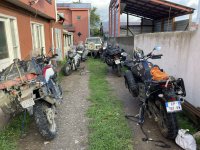
My bike was running a bit rough so we found a local mechanic to take a look. When we got there it was a shed full of outboard motors, chainsaws, lawnmowers and a few small motorbikes out the back . Having said that we have often found ‘bush’ mechanics to be very good as they have to fix everything from lawnmowers to 20 ton trucks. Obviously he didn’t have a BMW diagnostic computer
  .
.
Next day the bike was running okay and it was dry and sunny so we headed south with fingers crossed.
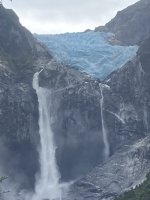
We stopped in Puyuhuapi, went into the national park and walked up to see the hanging glacier. Whilst we were looking at it there was an avalanche of ice accompanied by a huge crash - exciting but sad as, like all the glaciers down here, it’s receding at an alarming rate.
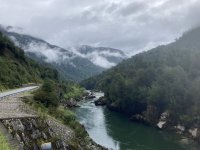
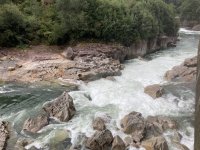
The next day’s ride was spectacular, it’s incredible how the scenery changes from one minute to the next.
Chilean Patagonia wasn’t settled by Europeans until the 19th century at which time there were no roads so very few people came. The Caraterra Austral wasn’t completed to Puerto Yungay until 1996 and Villa O’Higgins till 2000 - 60% of it is still unpaved.
The upshot of this is that it’s a bio diversity hot spot with 30% of it’s endemic flora and natural vegetation left - so if you want to see what the world would be like if humans never existed, this is as close as you’ll get - which isn’t very close
We stayed in Coyhaique for a few days sitting out heavy rain in a hostel along with 4 other bikers and 5 cyclists.
When the sun finally appeared we all set off with great relief.
. Some days it is biblical and even though our riding clothes are waterproof, it’s impossible to be watertight. So travelling and sightseeing is worked out accordingly.After the ferries we arrived in Chaitén and found lodging 14 miles south of the town. 3 wet days there, one of which we had to go into town and got absolutely soaked through. Luckily we had a whole house, mostly to ourselves and could dry everything off in front of the fire. One of the really nice things about being somewhere colder is that everyone has wood burning stoves and it makes for a lovely atmosphere.
My bike was running a bit rough so we found a local mechanic to take a look. When we got there it was a shed full of outboard motors, chainsaws, lawnmowers and a few small motorbikes out the back
. Having said that we have often found ‘bush’ mechanics to be very good as they have to fix everything from lawnmowers to 20 ton trucks. Obviously he didn’t have a BMW diagnostic computer .Next day the bike was running okay and it was dry and sunny so we headed south with fingers crossed.
We stopped in Puyuhuapi, went into the national park and walked up to see the hanging glacier. Whilst we were looking at it there was an avalanche of ice accompanied by a huge crash - exciting but sad as, like all the glaciers down here, it’s receding at an alarming rate.
The next day’s ride was spectacular, it’s incredible how the scenery changes from one minute to the next.
Chilean Patagonia wasn’t settled by Europeans until the 19th century at which time there were no roads so very few people came. The Caraterra Austral wasn’t completed to Puerto Yungay until 1996 and Villa O’Higgins till 2000 - 60% of it is still unpaved.
The upshot of this is that it’s a bio diversity hot spot with 30% of it’s endemic flora and natural vegetation left - so if you want to see what the world would be like if humans never existed, this is as close as you’ll get
- which isn’t very close We stayed in Coyhaique for a few days sitting out heavy rain in a hostel along with 4 other bikers and 5 cyclists.
When the sun finally appeared we all set off with great relief.
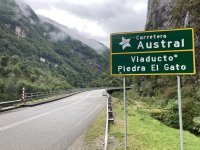
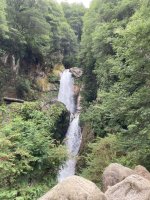
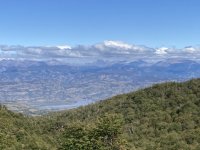
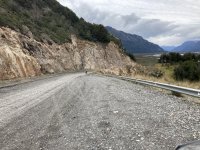
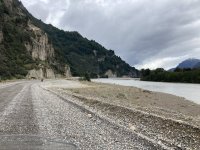
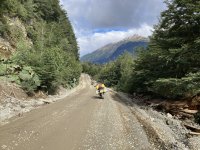
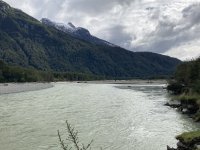
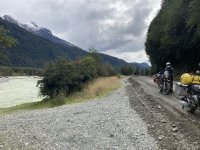
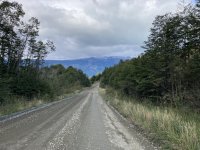
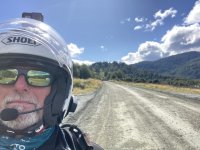
The next 1000km would be unpaved and we heard differing reports of the road conditions but we knew we had a dry, sunny week ahead of us
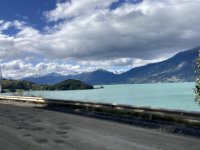
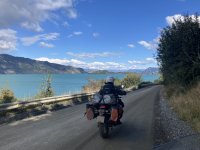
The Patagonian views had been amazing up until now but little did we know this would be where the beauty really begins.
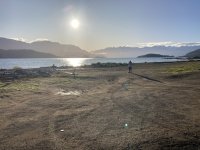
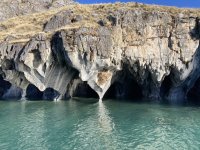
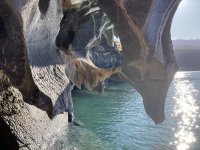
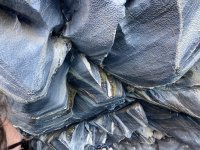
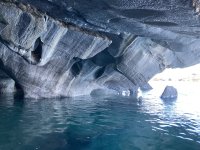
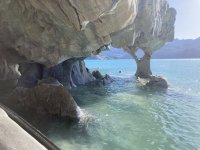
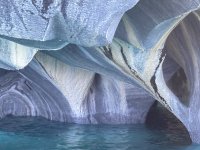
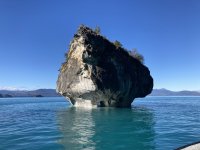
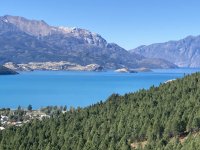
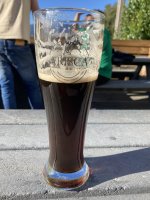
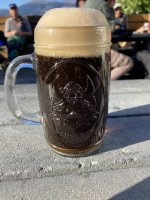
First stop was Puerto Rio Tranquilo, a lovely lakeside town with a bohemian feel. We were there for St Patrick’s day and I found a pint of porter (or 2). We took a morning boat trip to see some marble caves, not a cloud in the sky - it was a magical experience.
From here it was two shortish rides to the amazing seaside town of Tortel. The town is built entirely of Cypress wood, on stilts and is something of a mystery as it was founded by loggers and only accessible by boat until 2003. The 500 inhabitants are totally self sufficient with own medical, education etc so it was pretty much unknown to the authorities until fairly recently.
The Patagonian views had been amazing up until now but little did we know this would be where the beauty really begins.
First stop was Puerto Rio Tranquilo, a lovely lakeside town with a bohemian feel. We were there for St Patrick’s day and I found a pint of porter (or 2). We took a morning boat trip to see some marble caves, not a cloud in the sky - it was a magical experience.
From here it was two shortish rides to the amazing seaside town of Tortel. The town is built entirely of Cypress wood, on stilts and is something of a mystery as it was founded by loggers and only accessible by boat until 2003. The 500 inhabitants are totally self sufficient with own medical, education etc so it was pretty much unknown to the authorities until fairly recently.

Similar threads

- Replies
- 25
- Views
- 5,403


